فهم إصابة الحبل الشوكي
تحدث إصابة الحبل الشوكي (SCI) عندما يؤدي تلف الحبل الشوكي إلى تغيرات مؤقتة أو دائمة في الإحساس والحركة ووظائف الجسم الأخرى تحت موقع الإصابة. يمكن أن تتراوح الشدة من إصابات غير كاملة مع بعض الوظائف المحفوظة إلى إصابات كاملة مع فقدان كلي للإحساس والحركة.
يركز العلاج التقليدي لإصابة الحبل الشوكي على التثبيت وإعادة التأهيل والاستراتيجيات التكيفية لزيادة الوظيفة المتبقية إلى أقصى حد. في حين أن إعادة التأهيل يمكن أن تساعد المرضى على تحقيق أقصى إمكاناتهم، فقد حقق الطب التقليدي نجاحًا محدودًا في إصلاح أنسجة الحبل الشوكي التالفة.
يمثل نهج الطب التجديدي مقاربة ثورية تهدف إلى تعزيز تجديد الأعصاب، وتقليل تكوين الأنسجة الندبية، واستعادة الوظيفة المفقودة. وقد أظهرت الدراسات السريرية أن الخلايا الجذعية يمكن أن تدعم بقاء الخلايا العصبية، وتحفز نمو المحاور العصبية، وتحسن النتائج الوظيفية لدى مرضى إصابة الحبل الشوكي.
إصابة كاملة
فقدان كلي للوظائف الحسية والحركية تحت مستوى الإصابة. لا تمر أي إشارات عبر المنطقة المتضررة.
إصابة غير كاملة
بعض الوظائف محفوظة تحت مستوى الإصابة. تختلف درجة الوظيفة بناءً على مدى الضرر.
إصابات عنقية
إصابات في منطقة الرقبة يمكن أن تؤدي إلى الشلل الرباعي (تأثر الأطراف الأربعة) حسب المستوى.
إصابات صدرية/قطنية
إصابات في منتصف أو أسفل الظهر تؤدي عادةً إلى الشلل النصفي (تأثر الساقين وأسفل الجسم).
تحسن الوظيفة الحركية
زيادة القدرة على الحركة، قوة العضلات، والتنسيق في المناطق المتأثرة.
التعافي الحسي
تحسينات في الإحساس باللمس، إدراك درجة الحرارة، والإحساس بالموضع.
التحكم في المثانة/الأمعاء
تعزيز الوظيفة اللاإرادية والتحكم في العاصرة، مما يحسن الاستقلالية وجودة الحياة.
تقليل الألم
انخفاض الألم العصبي والتشنج، وهي مضاعفات شائعة لإصابات الحبل الشوكي.
تحسين وظائف الجهاز التنفسي
بالنسبة لإصابات عنق الرحم، تحسينات محتملة في سعة التنفس وقوة عضلات الجهاز التنفسي.
تعزيز الاستقلالية
قدرة أكبر على أداء الأنشطة اليومية وتقليل الاعتماد على مقدمي الرعاية.
كيف تساعد الخلايا الجذعية في علاج إصابة الحبل الشوكي
تجديد الخلايا العصبية
الخلايا الجذعية تدعم إصلاح الخلايا العصبية التالفة وتعزز تكوين مسارات عصبية جديدة.
تحفيز نمو المحاور العصبية
عوامل النمو التي تطلقها الخلايا الجذعية الوسيطة (MSCs) تشجع الألياف العصبية على التمدد وإعادة الاتصال عبر موقع الإصابة.
تقليل الأنسجة الندبية
تساعد الخلايا الجذعية على الحد من تكون الأنسجة الندبية الدبقية التي تمنع عادة تجديد الأعصاب.
تأثيرات حامية للأعصاب
تطلق الخلايا الجذعية الوسيطة (MSCs) عوامل مغذية للأعصاب تحمي الخلايا العصبية السليمة المتبقية من المزيد من التلف.
عملية الرعاية
التقييم العصبي
تقييم شامل باستخدام مقياس ASIA (الجمعية الأمريكية لإصابات الحبل الشوكي) وأدوات تشخيصية أخرى لتقييم مستوى الإصابة وشدتها.
التصوير المتقدم
التصوير بالرنين المغناطيسي (MRI) ودراسات تصوير أخرى لتصور موقع الإصابة وتخطيط أفضل نهج علاجي.
تخطيط الرعاية
تطوير بروتوكول مخصص بناءً على نوع الإصابة، والوقت منذ الإصابة، والأهداف الفردية.
إعطاء الخلايا الجذعية
توصيل الخلايا الجذعية عن طريق الحقن داخل القراب، أو التسريب الوريدي، أو مزيج من الأساليب حسب تحديد الفريق الطبي.
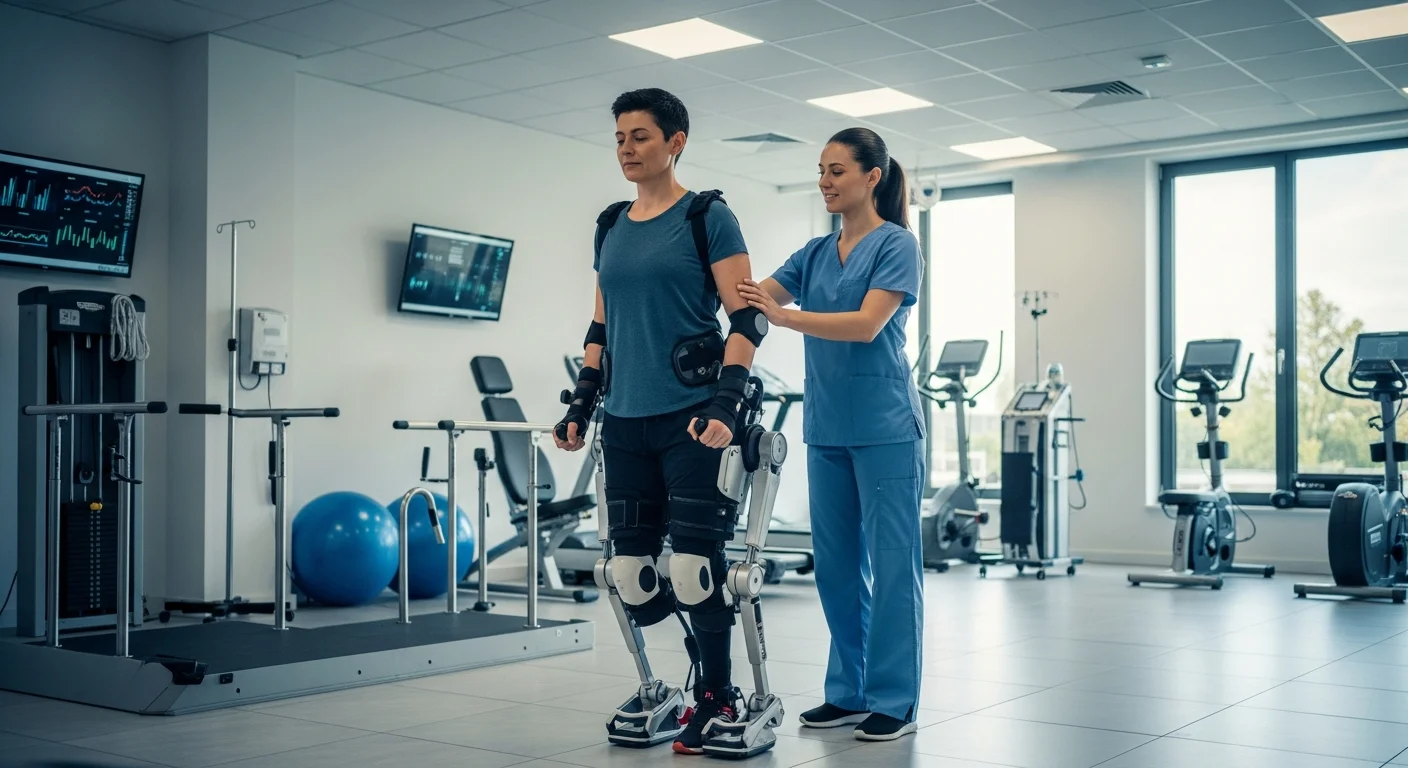
دمج إعادة التأهيل
التنسيق مع برامج العلاج الطبيعي وإعادة التأهيل لزيادة فوائد تطبيق الطب التجديدي.
متابعة طويلة الأمد
تقييمات منتظمة لمراقبة التحسينات العصبية وتعديل استراتيجيات إعادة التأهيل المستمرة.
الأسئلة المتكررة
اتخذ الخطوة الأولى نحو التعافي
اكتشف كيف يمكن لنهج الطب التجديدي أن يساعدك أنت أو من تحب على استعادة الوظيفة وتحسين نوعية الحياة بعد إصابة الحبل الشوكي. اتصل بفريقنا لإجراء تقييم شامل.