منتجات العلاج الخلوي: ما هي، كيف تعمل، ولماذا الجودة مهمة
- مراجعة طبية بواسطة
- فريق البروفيسور الدكتور إردال كاراأوزأستاذ علم الأنسجة والأجنة · المدير الطبي لمركز الطب التجديدي
- آخر مراجعة
- المراجعة المجدولة القادمة
كيف نقيّم الأدلة · الإفصاح عن تضارب المصالح · المعايير التحريرية
مقال تعريفي. لمن يبحث في حالة أو علاج قبل اتخاذ أي قرار.
دليل شامل للمنتجات البيولوجية القائمة على الخلايا في الطب التجديدي — من الخلايا الجذعية الوسيطة (mesenchymal stem cells) والإكسوسومات (exosomes) إلى معايير مراقبة الجودة ومسارات الحفظ.
ما هي منتجات العلاج الخلوي؟
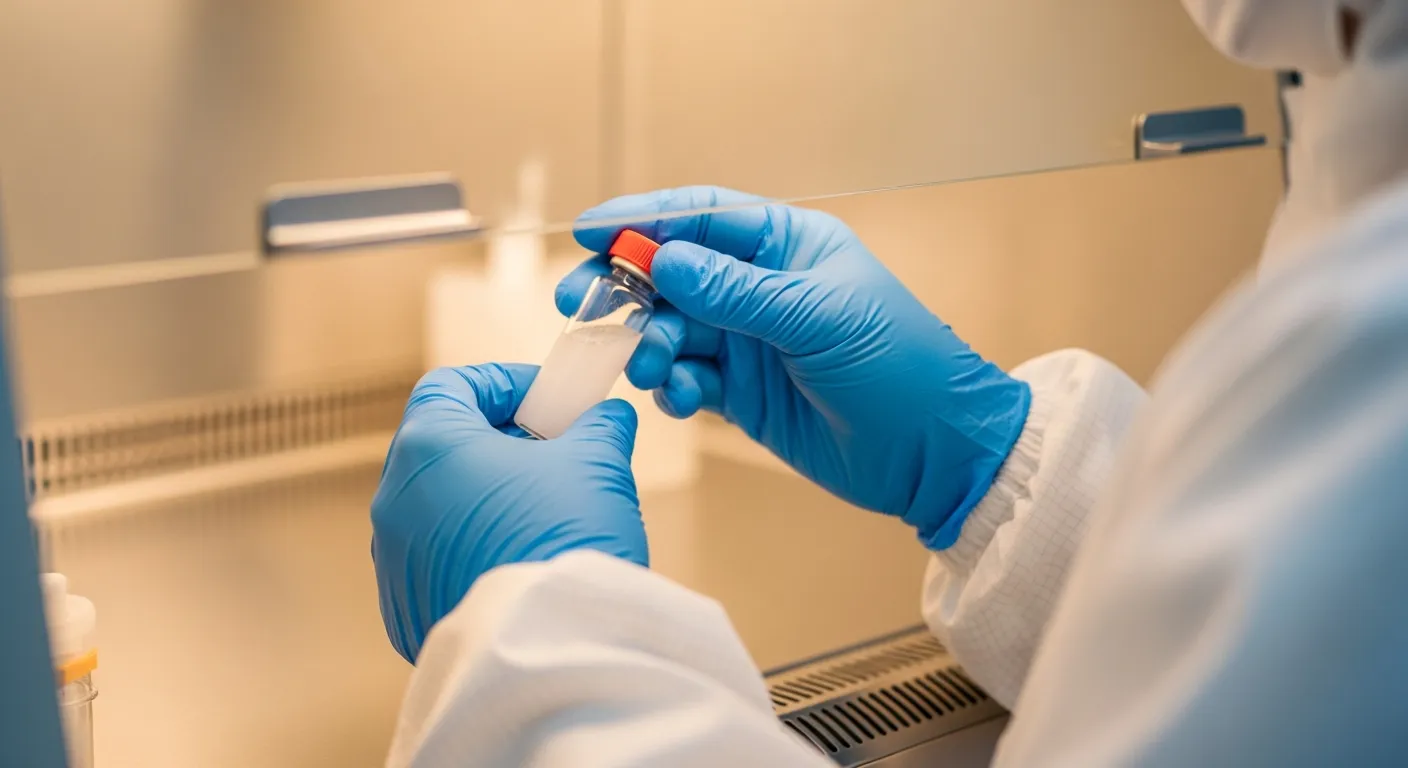
تمثل منتجات العلاج الخلوي إحدى أسرع الحدود تطورًا في الطب الحديث. هذه مواد بيولوجية تتكون من خلايا حية أو مواد مشتقة من الخلايا يتم جمعها ومعالجتها واختبارها وتحضيرها وفقًا لمعايير جودة صارمة للاستخدام المحتمل في تطبيقات الطب التجديدي.
على عكس الأدوية الصيدلانية التقليدية — التي يتم تركيبها من مركبات كيميائية وتعمل من خلال مسارات كيميائية حيوية يمكن التنبؤ بها — تستفيد منتجات العلاج الخلوي من الآليات البيولوجية للجسم نفسه. قد تدعم إصلاح الأنسجة، وتعدل الاستجابات الالتهابية، وتعزز تكون الأوعية الدموية الجديدة، أو تساعد في مسارات علاجية تجديدية معقدة من خلال مزيج من العمل الخلوي المباشر وإشارات نظير الصماوية (paracrine signaling).
يشمل هذا المجال مجموعة واسعة من فئات المنتجات، من الخلايا الجذعية الوسيطة (mesenchymal stem cells) المشتقة من مصادر نسيجية مختلفة إلى منتجات خالية من الخلايا مثل الإكسوسومات (exosomes). لكل نوع من المنتجات خصائص بيولوجية مميزة، وطرق جمع، ومتطلبات معالجة، وتطبيقات سريرية محتملة.
مع استمرار تقدم الطب التجديدي، يصبح فهم الأنواع المختلفة لمنتجات العلاج الخلوي — مصادرها، ومعايير تصنيعها، وموقعها السريري — أمرًا بالغ الأهمية لكل من المتخصصين في الرعاية الصحية والمرضى الذين يسعون لاتخاذ قرارات مستنيرة بشأن خيارات علاجهم.
لماذا مراقبة الجودة مهمة في العلاج الخلوي
مراقبة الجودة هي حجر الزاوية في العلاج الخلوي الآمن والفعال. نظرًا لاعتماد هذه المنتجات على مواد بيولوجية حية، فإن أي اختلافات طفيفة في المعالجة أو المناولة أو التخزين يمكن أن تؤثر بشكل كبير على ملف السلامة والإمكانات العلاجية للمنتج.
تحكم معايير ممارسات التصنيع الجيد (GMP) كل مرحلة من مراحل خط إنتاج المنتجات الخلوية — بدءًا من فحص أهلية المتبرع والحصول على الأنسجة، وصولاً إلى عزل الخلايا وتكثيرها وتوصيفها وإطلاق المنتج النهائي. تتضمن كل خطوة بروتوكولات معتمدة، ومراقبة بيئية، ونقاط فحص جودة موثقة.
At المراكز الرائدة في العلاج الخلويتمتد ضمانات الجودة إلى ما هو أبعد من التصنيع لتشمل الاختبار الشامل للدفعات للتأكد من التعقيم، ومستويات الذيفان الداخلي (endotoxin)، والتلوث بالمفطورة (mycoplasma)، وعلامات تعريف الخلايا، وتعداد حيوية الخلايا، واختبارات الفعالية. يتم الموافقة على المنتجات التي تجتاز جميع معايير الإطلاق فقط للاستخدام السريري.
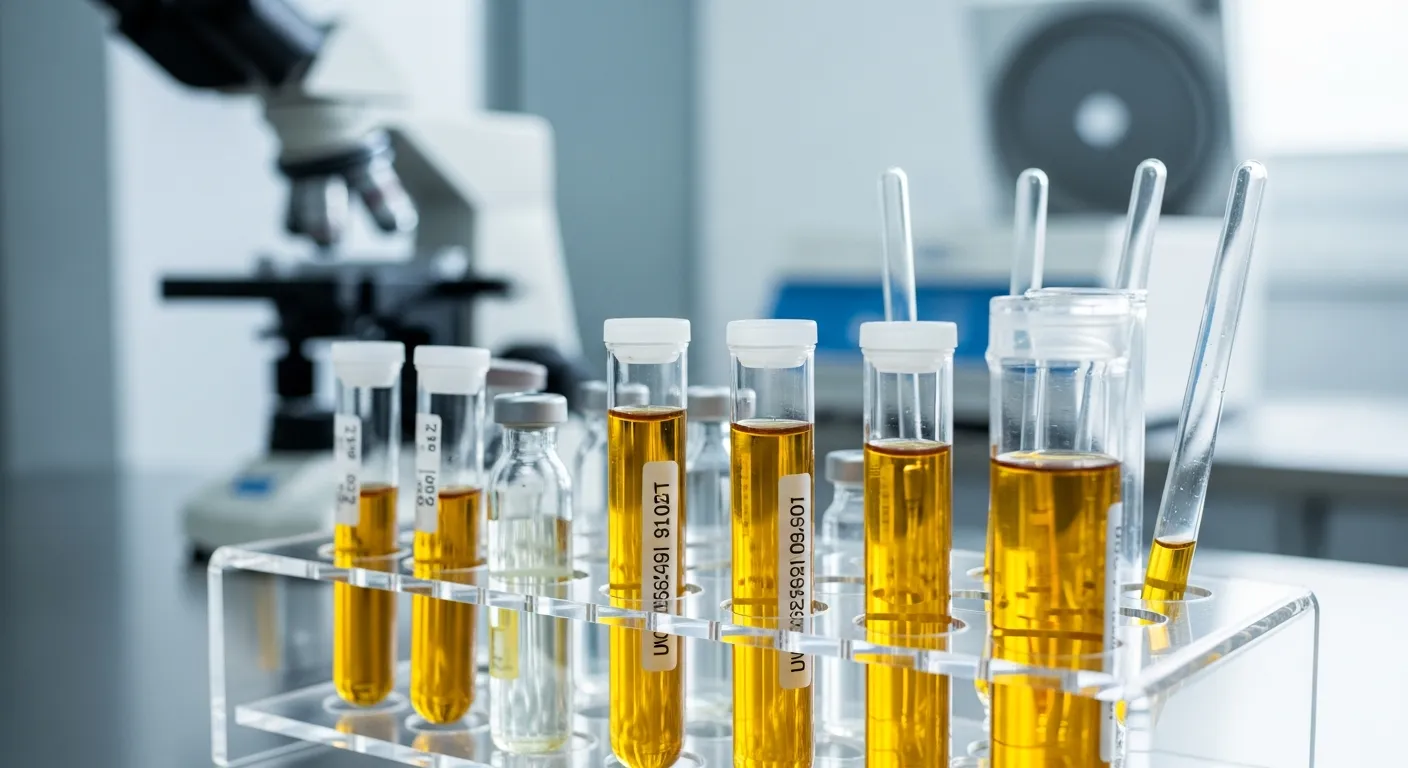
اختبار التعقيم
تخضع كل دفعة لاختبارات ميكروبية صارمة لضمان سلامة المنتج وخلوه من التلوث.
قابلية الخلايا للحياة
يؤكد تعداد حيوية الخلايا أن الحد الأدنى لنسبة الخلايا الحية والوظيفية يطابق العتبات المعمول بها.
علامات التعريف
يتحقق قياس التدفق الخلوي والاختبارات الجزيئية من أن الخلايا تعبر عن الواسمات السطحية الصحيحة والملف الوراثي المطلوب.
اختبارات الفعالية
تقيس الفحوص الوظيفية النشاط البيولوجي للخلايا للتأكد من أنها تفي بالحد الأدنى من متطلبات الفعالية.
قابلية التتبع
تضمن وثائق سلسلة الحيازة الكاملة من المتبرع إلى المريض إمكانية تتبع كل منتج إلى مصدره.
اختبار الذيفان الداخلي (Endotoxin)
يضمن اختبار الليولوس الأميبوسيت الليزات (LAL) خلو المنتجات من الذيفانات البكتيرية الداخلية التي قد تسبب تفاعلات ضارة.
الأنواع الرئيسية لمنتجات العلاج الخلوي
تشمل برامج العلاج الخلوي فئات متعددة من المنتجات، لكل منها خصائص بيولوجية مميزة، وطرق جمع، ومتطلبات تصنيع. يعتمد اختيار المنتج على التطبيق السريري، وملف تعريف المريض، وبروتوكول العلاج.
| نوع المنتج | الفئة | الخصائص الرئيسية |
|---|---|---|
| الخلايا الجذعية الوسيطة من هلام وارتون (Wharton's Jelly MSCs) | حديثي الولادة | تكاثر عالٍ، تعديل مناعي، جمع غير باضع |
| الخلايا الجذعية الوسيطة المشتقة من الأنسجة الدهنية (Adipose-Derived MSCs) | بالغون | مصدر وفير، معالجة في نفس اليوم، إنتاجية عالية من الخلايا |
| الخلايا الجذعية الوسيطة من نخاع العظم (Bone Marrow MSCs) | بالغون | سجل حافل، تمايز متعدد السلالات |
| الخلايا الجذعية من لب الأسنان (Dental Pulp Stem Cells) | حديثي الولادة/بالغون | منشأ العرف العصبي، استخدام الأنسجة المهملة |
| الخلايا الجذعية لجريبات الشعر (Hair Follicle Stem Cells) | بالغون | سهلة الوصول، ذاتية، مصدر متجدد |
| الكسر الوعائي السدوي (Stromal Vascular Fraction) | بالغون | مزيج غير متجانس، تحضير في نقطة الرعاية |
| إكسوسومات الخلايا الجذعية (Stem Cell Exosomes) | خالي من الخلايا | لا تحتوي على خلايا حية، حويصلات إشهارية، تطبيقات ناشئة |
لكل مصدر مزايا سريرية ومخبرية مختلفة اعتمادًا على كيفية جمع الخلايا ومعالجتها وتوصيفها. يجب أن يسترشد اختيار المنتج المناسب بمهني طبي مؤهل بناءً على السياق السريري المحدد.
مصادر الخلايا الجذعية في العلاج الخلوي
يمكن جمع الخلايا الجذعية من عدة أنسجة بيولوجية مختلفة. لكل مصدر مزاياه الخاصة وطريقة جمعه وخصائصه الخلوية وموقعه السريري. فهم هذه الاختلافات ضروري لكل من المرضى والممارسين.
مادة وارتون الهلامية (الحبل السري)
نسيج ضام هلامي من الحبل السري، غني بالخلايا الجذعية الوسيطة ذات القدرة التكاثرية العالية والخصائص المناعية القوية.
دم الحبل السري
يُجمع عند الولادة من الدم المتبقي في الحبل السري والمشيمة. فرصة بيولوجية لمرة واحدة تحتوي على خلايا جذعية مكونة للدم.
الأنسجة الدهنية
أحد المصادر العملية للخلايا الجذعية الوسيطة لدى البالغين، يتم جمعه من خلال إجراءات شفط الدهون طفيفة التوغل.
نخاع العظم
المصدر الأقدم والأكثر رسوخًا للخلايا الجذعية الوسيطة مع عقود من الأبحاث السريرية والقدرة المثبتة على التمايز.
لب الأسنان
الخلايا الجذعية الموجودة في الأنسجة الرخوة داخل الأسنان، وخاصة الأسنان اللبنية (الأسنان الحليبية)، باستخدام نسيج كان سيتم التخلص منه لولا ذلك.
بصيلات الشعر
الخلايا الجذعية المشتقة من نسيج بصيلات الشعر التي يتم جمعها من خلال إجراءات قليلة الإزعاج، حتى العينات الصغيرة يمكن أن توفر مواد خلوية.
مادة وارتون الهلامية & دم الحبل السري: مصادر حديثي الولادة
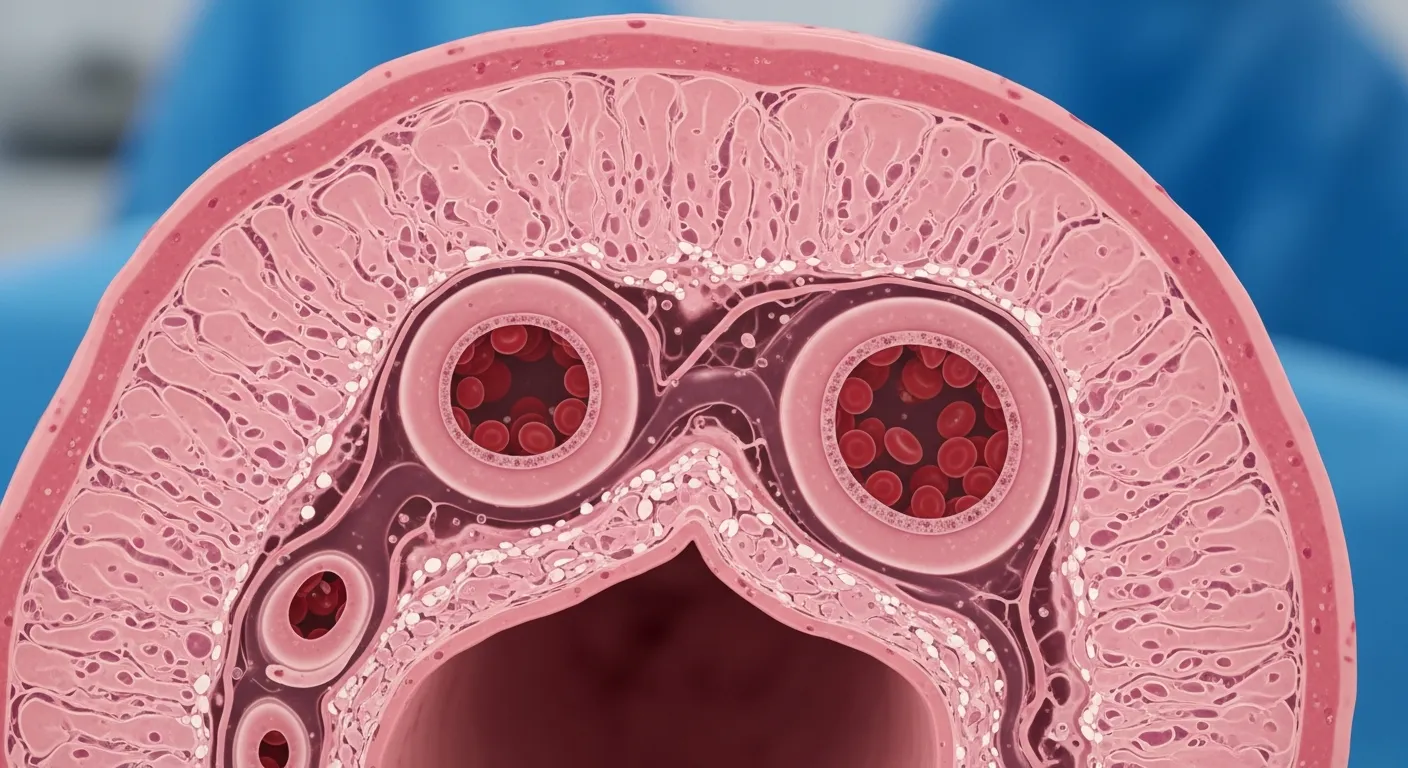
مادة وارتون الهلامية
يعد الحبل السري أحد أثمن مصادر الخلايا الجذعية الوسيطة لحديثي الولادة لأنه يحتوي على مادة وارتون الهلامية — نسيج ضام هلامي وصفه لأول مرة عالم التشريح الإنجليزي توماس وارتون عام 1656. يعمل هذا النسيج كوسادة تحمي أوعية الحبل السري أثناء الحمل وهو غني بشكل ملحوظ بالخلايا الجذعية الوسيطة (MSCs).
الخلايا الجذعية المشتقة من مادة وارتون الهلامية يتم الحصول عليها بطريقة غير جراحية من الأنسجة بعد الولادة التي كانت ستُتخلص منها بخلاف ذلك، مما يجعل جمعها سهلاً من الناحية الأخلاقية. وهي ذات قيمة خاصة لارتفاع إنتاجها من الخلايا، ومعدل تكاثرها السريع، وخصائصها المناعية القوية، ومناعتها المنخفضة نسبيًا - مما يعني أنها أقل عرضة لإثارة الرفض المناعي مقارنة بالخلايا من مصادر أخرى.
دم الحبل السري
يتم جمع دم الحبل السري بعد الولادة مباشرة من الدم المتبقي في الحبل السري والمشيمة. ويمثل هذا الدم مورداً بيولوجياً فريداً لأنه لا يمكن جمعه إلا لحظة الولادة – مما يجعله فرصة حقيقية لمرة واحدة. دم الحبل السري غني بالخلايا الجذعية المكونة للدم (HSCs) القادرة على إنتاج جميع أنواع خلايا الدم والخلايا المناعية، كما أنه يحتوي على خلايا جذعية متوسطة، وخلايا سلفية بطانية، ومجموعات أخرى من الخلايا التجديدية.
الأهمية السريرية لدم الحبل السري راسخة: فقد استخدم في أكثر من 40,000 إجراء زرع حول العالم لعلاج حالات تشمل سرطان الدم، والليمفوما، وفقر الدم المنجلي، ومختلف الاضطرابات الأيضية الوراثية. تتيح بنوك دم الحبل السري الحديثة للعائلات الحفاظ على هذا المورد من خلال التجميد العميق للاستخدام المحتمل في المستقبل – وهو قرار يوصي به بشكل متزايد الأطباء المدركون للتطبيقات المتزايدة للخلايا المشتقة من دم الحبل السري. اعرف المزيد عن المقارنة بين دم الحبل السري ونخاع العظم كمصادر للخلايا الجذعية.
مصادر البالغين: الأنسجة الدهنية ونخاع العظم
الأنسجة الدهنية
النسيج الدهني هو أحد أكثر مصادر الخلايا الجذعية الوسيطة عملية ووفرة لدى البالغين. يمكن جمعه من خلال شفط الدهون طفيف التوغل — وهو إجراء يتم إجراؤه في العيادات الخارجية وراسخ جيدًا — وعادة ما ينتج عنه خلايا جذعية أكثر بكثير لكل جرام من الأنسجة مقارنة بشفط نخاع العظم. إن سهولة الوصول إلى النسيج الدهني ووفرته يجعله خيارًا جذابًا لتطبيقات العلاج الخلوي الذاتي (المتبرع به ذاتيًا).
تُظهر الخلايا الجذعية الوسيطة المشتقة من الأنسجة الدهنية قدرة تمايز متعددة السلالات (يمكنها التطور إلى خلايا عظمية وغضروفية ودهنية وعضلية)، وخصائص تنظيم مناعي قوية، والقدرة على إفراز مجموعة واسعة من العوامل النشطة بيولوجيًا التي تعزز إصلاح الأنسجة. تُستخدم عادةً في تطبيقات العظام، والإجراءات التجميلية والترميمية، ومختلف الحالات الالتهابية.
نخاع العظم
نخاع العظم هو أقدم وأكثر المصادر دراسة للخلايا الجذعية الوسيطة في الطب التجديدي، مع تاريخ سريري يمتد لأكثر من خمسة عقود. ولا يزال ذا صلة كبيرة اليوم بسبب قدرته التمايزية المحددة جيداً، وملف السلامة الراسخ، والجسم الواسع من الأبحاث المنشورة التي تدعم استخدامه.
يتم جمع الخلايا الجذعية الوسيطة المشتقة من نخاع العظم عادةً عن طريق الشفط من العرف الحرقفي (عظم الورك) تحت التخدير الموضعي. وفي حين أن الإجراء أكثر توغلاً من جمع الأنسجة الدهنية وينتج عنه عدد أقل من الخلايا لكل حجم، فإن الخلايا الجذعية الوسيطة من نخاع العظم تُعتبر على نطاق واسع "المعيار الذهبي" في العديد من التطبيقات التجديدية. تُستخدم على نطاق واسع في بروتوكولات البحث التي تستهدف الحالات العصبية, أمراض القلب والأوعية الدمويةو اضطرابات المناعة الذاتية.
المصادر الناشئة: لب الأسنان وبصيلات الشعر
الخلايا الجذعية من لب الأسنان (Dental Pulp Stem Cells)
توجد الخلايا الجذعية للأسنان (DPSCs) في النسيج الضام الرخو داخل الأسنان — في حجرة لب الأسنان. وهي تحظى باهتمام خاص لأنها تنشأ من العرف العصبي أثناء التطور الجنيني، مما يمنحها قدرة تمايز عصبي فريدة لا توجد في الخلايا الجذعية الوسيطة من مصادر أخرى. يتم جمع الخلايا الجذعية للأسنان في الغالب من الأسنان اللبنية (الأسنان اللبنية) لدى الأطفال أو من أضراس العقل المخلوعة لدى الشباب.
عملية الجمع غير جراحية تمامًا لأنها تستخدم الأسنان التي تتساقط بشكل طبيعي أو تُزال جراحيًا. وقد أظهرت الأبحاث أن الخلايا الجذعية للأسنان يمكن أن تتمايز إلى خلايا مكونة للأسنان، وخلايا عصبية، وخلايا قلبية، وخلايا كبدية، مما يشير إلى قدرة تجديدية أوسع مما كان متوقعًا في البداية. تقدم العديد من خدمات بنوك الخلايا الجذعية للأسنان الآن للعائلات خيار حفظ هذه الخلايا لتطبيقات علاجية مستقبلية.
الخلايا الجذعية لجريبات الشعر (Hair Follicle Stem Cells)
تمثل الخلايا الجذعية المشتقة من بصيلات الشعر أحد أسهل مصادر الخلايا الجذعية البالغة وصولاً. تقع هذه الخلايا في منطقة الانتفاخ ببصيلة الشعر، وتساهم في التجديد المستمر للشعر طوال الحياة، وقد أظهرت القدرة على التمايز إلى أنواع متعددة من الخلايا بما في ذلك الخلايا العصبية، وخلايا العضلات الملساء، والخلايا الصبغية.
يتطلب الجمع أخذ عينة صغيرة من الأنسجة من فروة الرأس من خلال إجراء خزعة طفيفة التوغل. حتى العينات الصغيرة جدًا يمكن أن توفر مواد خلوية كافية للتوسع والتحليل في المختبر. في حين أن الخلايا الجذعية لبصيلات الشعر تُستخدم حاليًا بشكل أقل شيوعًا في البروتوكولات السريرية من الخلايا المشتقة من الأنسجة الدهنية أو نخاع العظم، فإنها تمثل مجالًا واعدًا للبحث النشط، لا سيما في التطبيقات العصبية والجلدية.
الكسر الوعائي اللحمي (SVF) والإكسوسومات
الكسر الوعائي اللحمي (SVF)
الكسر الوعائي اللحمي هو مستحضر خلوي غير متجانس مشتق من المعالجة الإنزيمية أو الميكانيكية للنسيج الدهني. على عكس الخلايا الجذعية الوسيطة الموسعة في المزرعة، يحتوي الكسر الوعائي اللحمي على مزيج متنوع من أنواع الخلايا: الخلايا الجذعية الوسيطة، والخلايا السلفية البطانية، والخلايا المحيطة، والخلايا التائية المنظمة، والبلاعم، وعوامل النمو المختلفة. يُعتقد أن هذا التنوع الخلوي يوفر تأثيرًا بيولوجيًا تآزريًا يتجاوز ما يمكن أن يحققه أي نوع خلوي واحد بمفرده.
إحدى المزايا الرئيسية للكسر الوعائي اللحمي هي أنه يمكن تحضيره في نقطة الرعاية — غالبًا ضمن نفس الجلسة الجراحية — دون الحاجة إلى زراعة مخبرية مطولة. يقلل هذا النهج الذي يتم في نفس اليوم من التكلفة، ويزيل المخاطر المرتبطة بالزراعة، ويسمح بالتطبيق الذاتي (المتبرع به ذاتيًا). تُستخدم مستحضرات الكسر الوعائي اللحمي بشكل شائع في تطبيقات المفاصل والعظام، والتئام الجروح، ومختلف الإجراءات التجميلية والترميمية.
إكسوسومات مشتقة من الخلايا الجذعية
الإكسوسومات هي حويصلات خارج خلوية نانوية (يتراوح قطرها بين 30 و150 نانومتر) تفرزها جميع أنواع الخلايا تقريبًا، بما في ذلك الخلايا الجذعية. تحتوي على حمولة معقدة من البروتينات، والدهون، والحمض النووي الريبوزي الرسول (mRNA)، والحمض النووي الريبوزي الميكروي (microRNA) التي يمكن نقلها إلى الخلايا المتلقية، مما يعدل سلوكها ووظيفتها.
لقد اجتذبت الإكسوسومات المشتقة من الخلايا الجذعية اهتمامًا علميًا هائلاً لأنها قد تكرر العديد من التأثيرات العلاجية المنسوبة إلى الخلايا الجذعية نفسها — بما في ذلك إشارات مضادة للالتهابات، ونشاط محفز لتكوين الأوعية الدموية، وتعزيز إصلاح الأنسجة — دون الحاجة إلى زرع خلايا حية. يقدم هذا النهج "الخالي من الخلايا" مزايا محتملة من حيث التوحيد القياسي، واستقرار التخزين، ودقة الجرعات، وتقليل مخاطر المناعة.
تتوسع الأبحاث في العلاجات القائمة على الإكسوسومات بسرعة، مع دراسات ما قبل السريرية تظهر واعدة في تطبيقات تتراوح من مكافحة الشيخوخة وتجديد الجلد إلى حماية الأعصاب وإصلاح القلب. وبينما لا تزال الأدلة السريرية في طور الظهور، تمثل الإكسوسومات واحدة من أكثر الحدود إثارة في الطب التجديدي من الجيل التالي.
حفظ الخلايا والتجميد بالتبريد
حفظ الخلايا بالتبريد هو حجر الزاوية في العلاج الخلوي الحديث. تتضمن هذه العملية تبريد الخلايا تدريجيًا إلى درجات حرارة منخفضة جدًا (عادةً -196 درجة مئوية في النيتروجين السائل) حيث يتم تعليق جميع الأنشطة البيولوجية بفعالية. عند إجرائها بشكل صحيح، يمكن للخلايا المحفوظة بالتبريد أن تظل قابلة للحياة لعقود - جاهزة للذوبان والاستخدام عند الحاجة سريريًا.
تتطلب عملية الحفظ بالتبريد إعدادًا دقيقًا: يتم خلط الخلايا بمحاليل واقية من التجمد (يحتوي معظمها عادةً على ثنائي ميثيل السلفوكسيد، أو DMSO) التي تمنع تكون بلورات الثلج التي قد تؤدي إلى تمزيق أغشية الخلايا وتدمير سلامتها الخلوية. تضمن بروتوكولات التجميد بمعدل متحكم به تبريد الخلايا بمعدل أمثل - عادةً 1 درجة مئوية في الدقيقة - قبل نقلها إلى مخازن النيتروجين السائل طويلة الأمد.
بالنسبة للعائلات التي تفكر في الحفظ، تستحق الأنسجة المتعلقة بالولادة اهتمامًا خاصًا. لا تتاح إمكانية جمع دم الحبل السري، ونسيج الحبل السري الذي يحتوي على هلام وارتون، ونسيج المشيمة إلا خلال الفترة الوجيزة المحيطة بالولادة. تفويت هذه الفرصة يعني فقدان هذه الموارد البيولوجية القيمة بشكل دائم. يمثل قرار تخزين هذه الأنسجة شكلاً من أشكال "التأمين البيولوجي" - حيث يتم حفظ الخلايا في أحدث حالاتها وأكثرها قوة لتطبيقات علاجية مستقبلية محتملة.
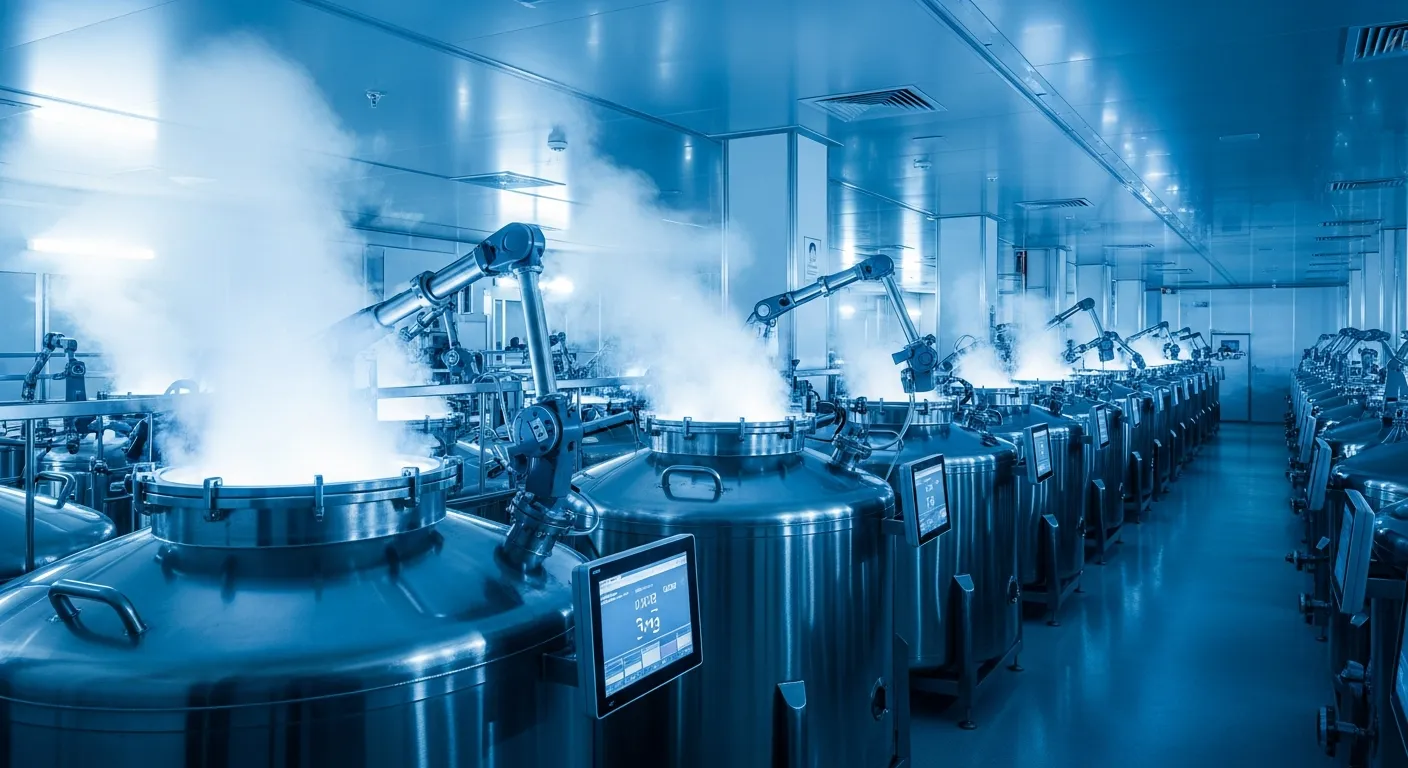
حقائق رئيسية عن الحفظ
- درجة حرارة التخزين: -196 درجة مئوية في النيتروجين السائل
- صلاحية مثبتة بعد أكثر من 20 عامًا من التخزين
- تجميد بمعدل متحكم به عند ~1 درجة مئوية في الدقيقة
- أنظمة تخزين احتياطية مع مراقبة على مدار الساعة طوال أيام الأسبوع
القيمة السريرية والعملية لمنتجات العلاج الخلوي
تمتد القيمة السريرية لمنتجات العلاج الخلوي عبر مجموعة متنوعة بشكل ملحوظ من التخصصات الطبية. يتم اختيار مصادر مختلفة للخلايا الجذعية لأغراض سريرية مختلفة بناءً على خصائصها البيولوجية المحددة، ومتطلبات جمعها، واحتياجات المعالجة، وقاعدة الأدلة المتاحة.
In في طب العظام والجهاز العضلي الهيكلي، غالبًا ما تُستخدم الخلايا الجذعية الوسيطة المشتقة من الأنسجة الدهنية والخلايا الجذعية الوعائية السدوية (SVF) لسهولة جمعها وخصائصها المضادة للالتهابات. أما بالنسبة لـ الحالات العصبية أمراض مثل مرض باركنسون, التصلب المتعددو اضطراب طيف التوحد، غالبًا ما تُفضل الخلايا الجذعية الوسيطة المشتقة من هلام وارتون لملامحها الإشارية المعدلة للمناعة والحامية للأعصاب.
In في تطبيقات القلب والأوعية الدموية، تحتفظ الخلايا الجذعية الوسيطة المشتقة من نخاع العظم بأقوى قاعدة أدلة، مدعومة بعقود من الدراسات السريرية التي أظهرت قدرتها على تعزيز إصلاح أنسجة القلب وتكوين الأوعية الدموية الجديدة. أما بالنسبة لـ برامج مكافحة الشيخوخة والعافية، فإن الأساليب القائمة على الإكسوسومات تكتسب زخمًا نظرًا لجرعاتها الموحدة وملف سلامتها المواتي.
يُعد مصدر الخلايا أمرًا مهمًا لأنه يؤثر بشكل مباشر على طريقة الجمع، وكمية الخلايا المستخلصة، ووقت المعالجة، والقوة البيولوجية، ومسار التطبيق المحتمل. سيقوم فريق طبي مؤهل بتقييم حالة المريض المحددة، وتاريخه الطبي، وأهداف العلاج للتوصية بأنسب منتج للعلاج الخلوي وبروتوكول العلاج. تعرف على المزيد حول كيفية اختيار العيادة المناسبة لعلاجك.
الأسئلة الشائعة حول منتجات العلاج الخلوي
إخلاء مسؤولية طبية: هذه المقالة مقدمة لأغراض تعليمية وإعلامية فقط ولا تشكل نصيحة طبية أو تشخيصًا أو علاجًا. تخضع منتجات العلاج الخلوي وعلاجات الطب التجديدي لرقابة تنظيمية تختلف حسب الولاية القضائية. تعكس المعلومات المقدمة هنا الحالة الحالية للمعرفة العلمية والأبحاث المنشورة ولكن لا ينبغي استخدامها كبديل للاستشارة الطبية المتخصصة. تعمل StemCell Longevita كمنصة لتنسيق المرضى الدوليين ولا تقدم علاجات طبية مباشرة. يجب اتخاذ جميع قرارات العلاج بالتشاور مع أخصائيي الرعاية الصحية المؤهلين الذين يمكنهم تقييم حالتك الطبية الفردية وتاريخك وأهداف العلاج.
التنسيق الدولي للمرضى
تعمل StemCell Longevita كمنصة تنسيق دولية للمرضى. نربط المرضى بالمؤسسات الطبية المرخصة التي تقدم تطبيقات الطب التجديدي بعد تقييم الطبيب وضمن الأطر التنظيمية المعمول بها. جميع القرارات والإجراءات الطبية يتم اتخاذها حصرياً من قبل متخصصين صحيين مرخصين. StemCell Longevita لا تقدم علاجاً طبياً مباشراً.
إخلاء مسؤولية طبية
المعلومات المقدمة في هذا الموقع هي لأغراض تعليمية وإعلامية فقط ولا يُقصد بها أن تكون نصيحة طبية. العلاج بالخلايا الجذعية مجال متطور، وقد تختلف النتائج من فرد لآخر. لم يتم تقييم أو اعتماد العلاجات الموصوفة في هذا الموقع بالكامل من قبل FDA أو الهيئات التنظيمية المماثلة في جميع الولايات القضائية.
لم توافق FDA على تطبيقات الخلايا الجذعية لمعظم الحالات المذكورة في هذا الموقع. تستند النتائج المذكورة إلى الملاحظات السريرية، والأبحاث المنشورة، والنتائج المبلغ عنها من قبل المرضى. قد تختلف النتائج الفردية ولا يتم ضمان نتائج محددة لأي مريض على حدة.
إدراج المنشورات العلمية على هذا الموقع لا يعني الموافقة التنظيمية أو نتائج سريرية مضمونة. قد تُعتبر بعض التطبيقات تجريبية حسب الاستطباب والاختصاص القضائي.
استشر دائمًا أخصائي رعاية صحية مؤهلاً قبل اتخاذ أي قرارات طبية. لا تتجاهل النصائح الطبية المتخصصة أو تؤخر طلب العلاج بناءً على المعلومات الموجودة في هذا الموقع.
أسئلة سريرية ذات صلة
موضع هذه الصفحة ضمن الصورة الأوسع.