The Foundation of Regenerative Medicine
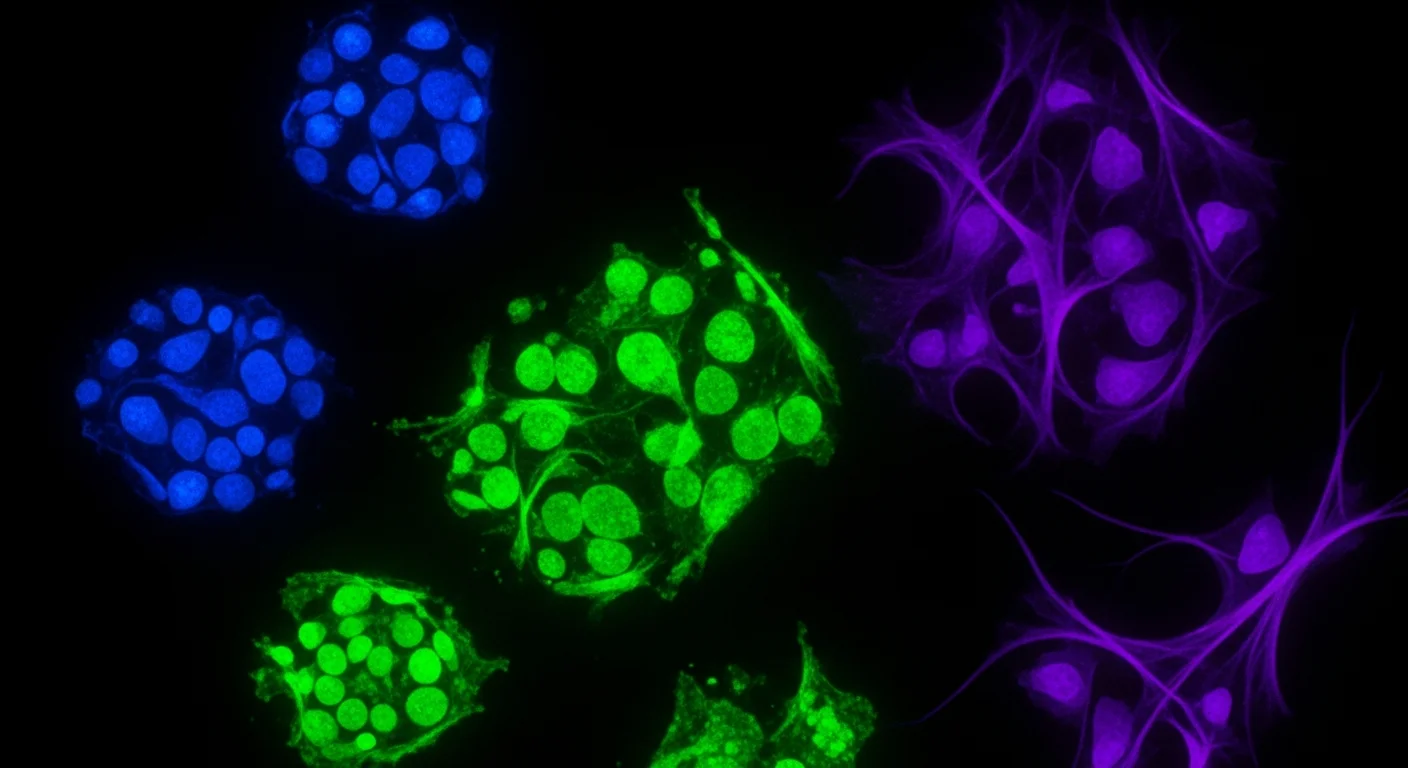
Stem cells are the master cells of the body, capable of self-renewal and differentiation into specialized cell types. Understanding the different types of stem cells is essential for appreciating their therapeutic potential in modern regenerative medicine.
What Are Stem Cells?
Stem cells are the primary cells that build up all of our body's tissues and organs. Every organ in our body contains a variety of specialized cells, each with specific functions. When cells in tissues or organs are injured or die, stem cells have the remarkable ability to transform into those specific cells and help repair the damaged tissues and organs.
One of the most fascinating characteristics of stem cells is their virtually unlimited capacity for reproduction. These cells are continuously active throughout our lives, replenishing our entire body and treating any areas that require repair. Modern scientific advances have shown that large numbers of stem cells can be retrieved from various sources in our body, and they can even be replicated in laboratory settings. As a result, stem cells can now be used to treat a wide range of medical conditions.
Common Characteristics of Stem Cells
- They can reproduce and multiply in suitable growth environments
- They have virtually unlimited capability of proliferation under the right conditions
- They can differentiate into the specific cells needed to repair tissues and organs
- They can replenish themselves and maintain their own cell communities (self-renewal)
- Following injury in any part of the body, they have the potential to migrate to that site and repair damaged tissue
- They release growth factors and cytokines that promote healing and reduce inflammation
The Four Main Types of Stem Cells
Stem cells are classified into four major categories based on their origin and potency. Each type has unique characteristics that make them suitable for different therapeutic applications.
Adult Stem Cells
Found in mature tissues after birth, including bone marrow, adipose tissue, and blood. These are the most commonly used stem cells in clinical treatments due to their safety profile and availability.
Fetal Stem Cells
Derived from fetal tissues between 8-12 weeks of development. They have greater differentiation potential than adult stem cells while avoiding some ethical concerns of embryonic cells.
Embryonic Stem Cells
Obtained from the blastocyst stage of embryonic development. They are pluripotent, meaning they can develop into almost any cell type in the body.
Cord Blood Stem Cells
Collected from the umbilical cord after birth. They are immunologically naive, meaning they are less likely to cause rejection when transplanted to another person.
Adult Stem Cells: The Clinical Workhorses
Adult stem cells differ from embryonic and fetal stem cells in that they are present in tissues that develop in humans or animals after birth. The best source of these cells is bone marrow, which is found in the center of certain bones. Bone marrow is often extracted from the 'crista iliaca' bone part behind the upper hip bone. In bone marrow, there are several kinds of stem cells, including hematopoietic stem cells, endothelial stem cells, and mesenchymal stem cells.
Importantly, research has revealed that adipose (fat) tissue contains four times more stem cells than bone marrow, making liposuction-derived stem cells an increasingly popular option. These cells can be collected through a minimally invasive procedure and processed in the laboratory for therapeutic use.
SVF - Stromal Vascular Fraction
When stem cells are retrieved from adipose tissue, the fat cells are separated using various enzymatic and mechanical methods to access the cells within the fat. The resulting complex stem cell solution containing many distinct cell types is referred to as SVF (Stromal Vascular Fraction). SVF contains 80-100 distinct therapeutic stem cell groupings, including mesenchymal cells that can transform into other cells, hematopoietic cells that produce blood cells, endothelial cells that heal veins, and fibroblasts that build connective tissues.
When delivered intravenously to a patient, the cells within SVF are utilized as therapeutic cells by the relevant damaged areas. The cells can also be isolated from the SVF using specific procedures, replicated independently, and employed in specialized treatments if required. In burns and autoimmune illnesses that necessitate treatment with numerous cells collectively, the cells are often employed as a whole, without separation.
Mesenchymal Stem Cells (MSCs)
Mesenchymal stem cells are named for their ability to transform into other cell types. They are found in adult tissues including bone marrow, adipose tissue, dental pulp, and umbilical cord tissue. These versatile stem cells have the ability to migrate from the tissue in which they are found to damaged tissue elsewhere in the body, where they work to restore injured areas.
A remarkable feature of MSCs is their ability to fuse with damaged cells, not only repairing damage in their immediate vicinity but also detecting and responding to injury in other tissues throughout the body. Adult mesenchymal stem cells have the capacity to differentiate into approximately 100 distinct cell types, including bone, cartilage, muscle, neuron, liver, and pancreatic cells. Adipose tissue contains four times more MSCs than bone marrow, making it an excellent source for therapeutic applications.
Characteristics of Mesenchymal Stem Cells
- Mesenchymal stem cells can transform into many other cell types
- They appear differently in lung, stomach, and bone tissue due to environmental influences
- MSCs have the ability to fuse with damaged cells and repair them
- They originate from connective tissues, so they support the development and function of related tissue cells
- They can differentiate into muscle, fat, bone, cartilage, tendon, and ligament cells
- They release powerful anti-inflammatory and immunomodulatory factors
Important: GMP Standards
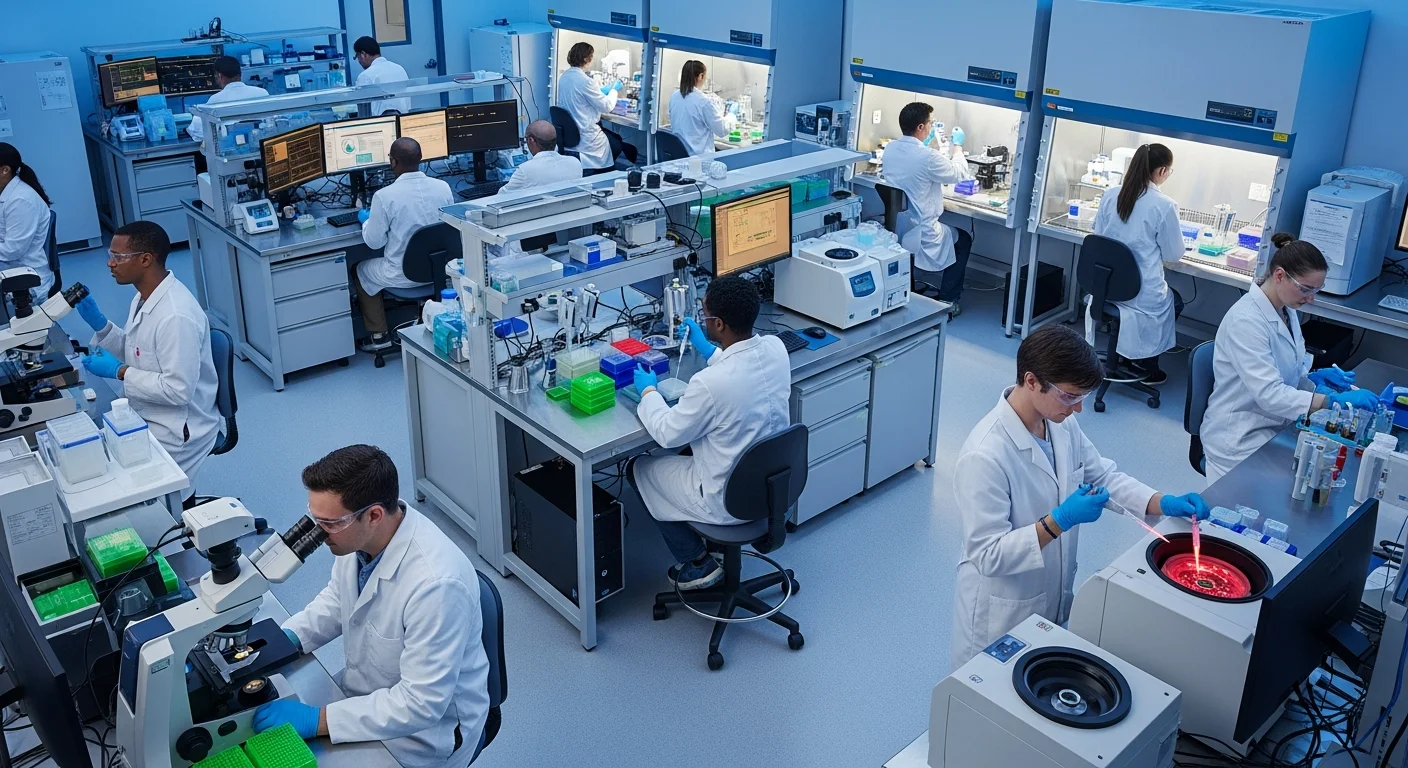
To boost their numbers for clinical use, mesenchymal stem cells must be multiplied in cultures that survive for weeks under particular laboratory conditions. This requires advanced technology, infrastructure, and experience, and it is costly. As a result, clinically useful mesenchymal stem cells are only generated in facilities that adhere to international Good Manufacturing Practice (GMP) standards.
Hematopoietic Stem Cells (Blood Cells)
All of our blood cells develop from young (immature) cells called hematopoietic stem cells. The term 'hematopoietic' literally means 'blood-forming.' These stem cells are primarily found in bone marrow (the spongy center of certain bones) where they continuously divide to generate new blood cells throughout our lives.
Hematopoietic stem cells are among the earliest discovered, best documented, and most successfully used stem cells in clinical medicine. Bone marrow transplantation, which has been performed for decades, is essentially a hematopoietic stem cell transplant. These cells are crucial for treating blood cancers and other hematological disorders.
Functions of Hematopoietic Stem Cells
- Carry oxygen to all tissues through red blood cell production
- Maintain immune system function through white blood cell generation
- Govern hemorrhage control through platelet production
- They are self-renewing cells capable of forming the complete blood tissue
- Used in treating hematopoietic cancers (leukemia, lymphoma, myeloma)
- Treat non-hematopoietic cancers and genetic bone marrow diseases
- Treat aplastic anemia, thalassemia, and sickle cell disease
- Increasingly used for autoimmune diseases
Endothelial Stem Cells
Endothelial stem cells develop in the bone marrow and then circulate throughout the bloodstream. They become concentrated at sites of vascular injury, where they play an essential role in blood vessel repair and healing. These specialized cells are crucial for maintaining the health of our vascular system - all the arteries and veins that carry blood throughout our body.
After leaving the bone marrow, endothelial stem cells can develop into mature endothelial cells that line the interior surface of blood vessels. They have the ability to divide, circulate, and repair existing blood vessels when damage occurs. This makes them valuable for treating cardiovascular conditions and improving blood flow to damaged tissues.
Autologous Stem Cell Production
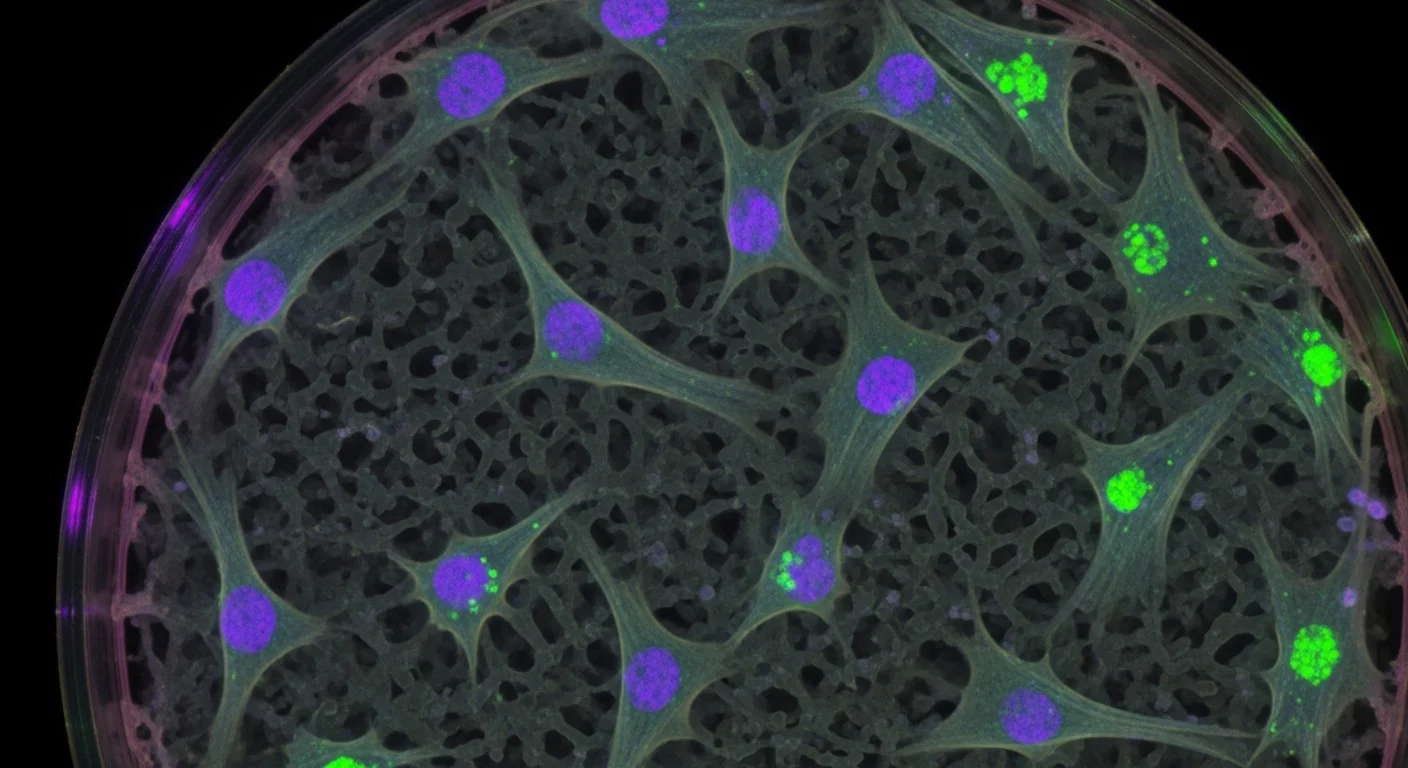
Autologous stem cell production refers to the creation in a laboratory of cells from our own bodies that cannot normally regenerate other cell types. These cells are multiplied in the laboratory and then delivered back to areas of the body that need repair. This approach uses the patient's own cells, eliminating the risk of rejection.
Fibroblast Cells
The main cells that create connective tissue and produce collagen. When these cells decline with age, the skin loses elasticity and wrinkles form. In rejuvenation therapies, fibroblasts are multiplied in the laboratory and reintroduced to repair aging skin.
Beta Cells
These insulin-producing cells are found in the pancreas. By creating beta cells in the laboratory and reintroducing them to the pancreas, it becomes possible to treat certain types of diabetes by restoring the body's ability to produce insulin.
Keratinocytes
The cells that make up the outermost layer of skin. In epidermal disorders such as burns, acne scars, and other skin damage, keratinocytes can be generated in the laboratory to create new skin tissue.
Fetal Stem Cells
A 'fetus' refers to an embryo that has reached approximately 7-8 weeks of development. Cells retrieved from the fetus between 8 and 12 weeks of development have remarkable regenerative potential - they can develop into cells in practically all tissues and organs. These cells are obtained from tissue following miscarriage and have the potential to divide indefinitely and regenerate themselves.
One of the most significant advantages of fetal stem cells is that they lack the antigens that typically cause immune rejection. When foreign material enters the body, the immune system normally perceives it as a threat and produces antibodies to destroy it. Because fetal stem cells are not recognized as foreign, they are entirely accepted even when given to another person. This makes them particularly valuable for allogeneic (donor) treatments.
Embryonic Stem Cells
Embryonic stem cells have the highest capacity for differentiation of all stem cell types. The zygote - the initial cell formed when egg is fertilized by sperm - is the most potent cell, capable of developing into every type of cell in the body as well as extraembryonic tissues. A complete human being develops from this single cell.
About 5 days after conception, a hollow sphere containing approximately 150 cells called a 'blastocyst' is formed. These cells could theoretically be used to reproduce a complete human being, which is why research on embryonic stem cells is heavily regulated by governments worldwide. While these cells have enormous potential, ethical considerations limit their use in clinical applications.
Cord Blood Stem Cells
Cord blood stem cells are collected from the umbilical cord after a baby is born. Immediately after birth, the umbilical cord is clamped and cut, and the blood remaining in the cord attached to the placenta is collected into a sterile blood bag containing an anticoagulant. This collected blood is delivered to a cord blood bank laboratory within 48 hours for processing and storage.
Compared to other stem cell sources, cord blood stem cells are very young, and when preserved properly, their aging and degradation processes are significantly slowed. Their rates of reproduction are higher than those of adult stem cell sources. Even in the absence of a complete tissue match (HLA) between the recipient and donor, cord blood transplantation has excellent success rates.
Advantages of Cord Blood Stem Cells
- Cord blood stem cells can transform into an estimated 200 different cell types
- They are younger and more potent than adult stem cells
- Lower risk of graft-versus-host disease when transplanted
- Less stringent HLA matching requirements than bone marrow
- Immediately available when properly banked (no donor search needed)
- Non-invasive collection poses no risk to mother or baby
- More effective for long-term disease treatment compared to adult sources
Understanding Stem Cell Potency
The capacity of stem cells to differentiate varies significantly between types. This is referred to as their 'potency.' The zygote has the greatest potency of all - it is 'totipotent,' meaning it can develop into any cell type in the body plus all the extraembryonic tissues needed for pregnancy.
Embryonic stem cells from the blastocyst stage are 'pluripotent' - they can become almost any cell type in the body but cannot form extraembryonic tissues. Adult stem cells are generally 'multipotent,' meaning they can differentiate into several related cell types but not as many as pluripotent cells.
For clinical applications, mesenchymal stem cells represent an excellent balance of potency and safety. They can differentiate into many therapeutically useful cell types (bone, cartilage, muscle, neurons, etc.) while having an excellent safety profile and being relatively easy to obtain from the patient's own body.
Clinical Applications Today
Today, the regenerative approach is used to treat a wide range of conditions including orthopedic injuries, neurological disorders, autoimmune diseases, cardiovascular conditions, and degenerative diseases. The choice of stem cell type depends on the condition being treated, the desired outcome, and patient-specific factors.
At our regenerative medicine center, we primarily utilize mesenchymal stem cells due to their excellent safety profile, multipotent differentiation capacity, and ability to be harvested from the patient's own adipose tissue or administered from carefully screened donor sources like umbilical cord tissue. Our GMP-certified laboratory ensures the highest quality cell preparation for optimal therapeutic outcomes.
Frequently Asked Questions
The Future of Medicine
Understanding stem cell types is fundamental to appreciating the promise of regenerative medicine. Each type offers unique advantages for different therapeutic applications, and ongoing research continues to unlock new possibilities for treating conditions once considered incurable.