العلاج بالخلايا الجذعية لاعتلال الأوتار وإصابات الأوتار المزمنة
- مراجعة طبية بواسطة
- فريق البروفيسور الدكتور إردال كاراأوزأستاذ علم الأنسجة والأجنة · المدير الطبي لمركز الطب التجديدي
- آخر مراجعة
- المراجعة المجدولة القادمة
كيف نقيّم الأدلة · الإفصاح عن تضارب المصالح · المعايير التحريرية
مقال تعريفي. لمن يبحث في حالة أو علاج قبل اتخاذ أي قرار.
لماذا يعيد العلاج بالخلايا الجذعية الوسيطة تشكيل علاج اعتلال الأوتار المزمن في الكفة المدورة، العرقوب، الرضفة، والمرفق - للرياضيين والبالغين النشطين الذين لا يرغبون في الجراحة.
لماذا يصعب علاج اعتلال الأوتار المزمن
الأوتار أنسجة محبطة بيولوجيًا. لديها إمداد دموي منخفض، نشاط خلوي منخفض، ومعدل دوران بطيء حتى لدى البالغين الأصحاء. عندما يصاب الوتر - سواء بصدمة حادة أو سنوات من الصدمات الدقيقة المتكررة - تكون قدرته على الإصلاح الذاتي محدودة. بدون تدخل، تتطور العديد من إصابات الأوتار من التهاب الأوتار الحاد (الالتهاب الحقيقي) إلى اعتلال الأوتار المزمن (حالة تنكسية مع كولاجين غير منظم، نشاط خلوي غير طبيعي، وألم مستمر).
العلاج التقليدي لديه خيارات محدودة. الراحة تقلل التهيج ولكنها لا تحفز الإصلاح. مضادات الالتهاب غير الستيرويدية (NSAIDs) تقلل الأعراض ولكنها قد تضعف المرحلة الالتهابية للشفاء. حقن الكورتيكوستيرويدات توفر راحة قصيرة الأمد من الألم ولكنها تسرع تدهور الأوتار وتزيد من خطر التمزق. برامج التمارين اللامركزية (بروتوكول ألفريدسون للعرقوب، وما شابهه للأوتار الأخرى) هي العلاج التحفظي الأكثر استنادًا إلى الأدلة، ولكنها تتطلب أشهرًا من العمل المنضبط وليست فعالة عالميًا. الجراحة غازية، ولها فترات تعافٍ طويلة، وتؤدي إلى نتائج متغيرة.
ظهر العلاج بالخلايا الجذعية الوسيطة والبلازما الغنية بالصفائح الدموية (PRP) في عام 2026 كأكثر الخيارات التجديدية الواعدة لاعتلال الأوتار المزمن. إنها تعالج ما لا يستطيع العلاج التقليدي معالجته - غياب النشاط الخلوي وعوامل النمو التي تدفع الحالة المزمنة التي لا تلتئم. للمرضى المختارين بعناية، يمكن أن يوفر العلاج بالخلايا الجذعية الوسيطة تخفيفًا كبيرًا للألم وتحسينًا وظيفيًا، مما يسمح غالبًا بالعودة إلى النشاط دون جراحة.
كيف تعزز الخلايا الجذعية الوسيطة إصلاح الأوتار
يعالج العلاج بالخلايا الجذعية العديد من النواقص المحددة التي تجعل الأوتار تلتئم بشكل سيئ.
التنشيط الخلوي
تحفز الخلايا الجذعية الوسيطة وعواملها المفرزة تكاثر ونشاط الخلايا الوترية المقيمة، مما يعكس جزئيًا الخمول الخلوي الذي يميز اعتلال الأوتار المزمن.
توصيل عوامل النمو
تطلق الخلايا الجذعية الوسيطة مزيجًا غنيًا من عوامل النمو بما في ذلك IGF-1 وTGF-beta وBMP-12 وVEGF التي تدفع تخليق الكولاجين، والنمو الوعائي، وتنظيم الأنسجة.
مفعول مضاد للالتهابات
تثبط الخلايا الجذعية الوسيطة البيئة الالتهابية المزمنة منخفضة الدرجة التي تديم تنكس الأوتار، مما يسمح لعمليات الإصلاح البناءة بالتقدم.
جودة الكولاجين
تظهر الأوتار المعالجة بالخلايا الجذعية الوسيطة في الدراسات الحيوانية والسريرية بنية كولاجين من النوع الأول أكثر تنظيمًا، وأقرب إلى الوتر الطبيعي من الأنسجة الندبية.
الوعائية
تدعم العوامل المكونة للأوعية الدموية التي تفرزها الخلايا الجذعية الوسيطة تكون الأوعية الدموية الجديدة، مما يوفر الإمداد الدموي الذي يفتقر إليه اعتلال الأوتار المزمن للإصلاح المستدام.
الوصلة الوترية-العظمية
بالنسبة للتمزقات الجزئية عند إدخال الوتر (الكفة المدورة بشكل خاص)، تدعم الخلايا الجذعية الوسيطة التئام الاتصال المعقد الذي يديره العلاج التقليدي بشكل سيئ.
حالات الأوتار التي تستجيب للعلاج بالخلايا الجذعية الوسيطة
إصابات الأوتار ذات الأدلة الإيجابية الأكثر اتساقًا للعلاج التجديدي في عام 2026.
بروتوكول وإجراءات العلاج
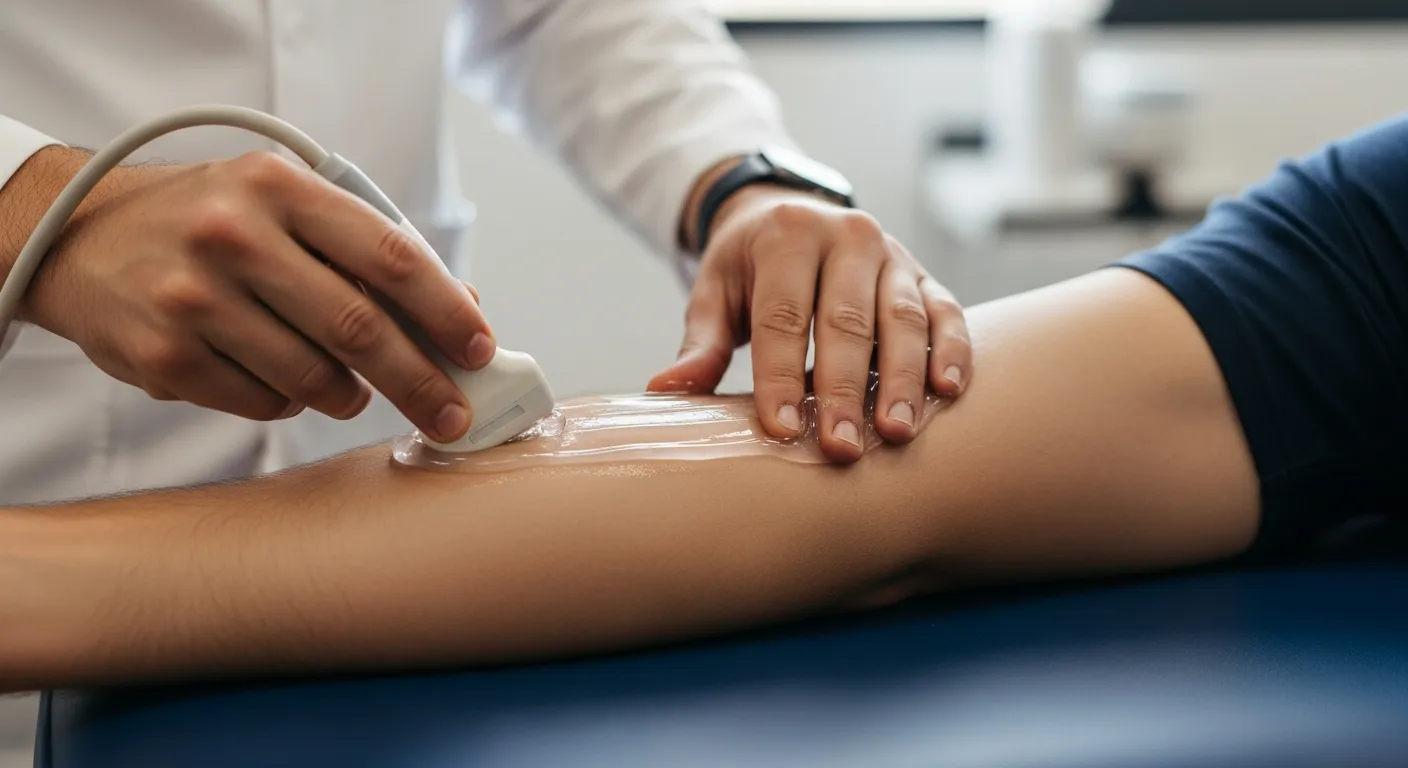
يُعطى علاج اعتلال الأوتار عادةً على شكل حقن مستهدف موجه بالموجات فوق الصوتية مباشرةً في الوتر المصاب، مع وضع المنتج الخلوي بدقة في منطقة المرض المحددة في التصوير التشخيصي. يستغرق الإجراء 30-45 دقيقة، ويتم إجراؤه تحت التخدير الموضعي، وهو جيد التحمل. تتضمن بعض البروتوكولات تسريبًا وريديًا جهازيًا بجرعة منخفضة من الخلايا الجذعية الوسيطة (MSC) بالإضافة إلى الحقن الموضعي، خاصةً عندما تكون أوتار متعددة مصابة أو عندما يكون لدى المريض خلفية التهابية معممة.
يعتمد اختيار الخلايا على ملف تعريف المريض. غالبًا ما يستجيب الرياضيون الشباب (أقل من 40 عامًا) جيدًا لخلايا نخاع العظم الذاتية أو الخلايا المشتقة من الأنسجة الدهنية مدمجة مع البلازما الغنية بالصفائح الدموية (PRP)، مستفيدين من عوامل النمو والإشارات الخلوية المجمعة بتكلفة أقل. يستفيد المرضى الأكبر سنًا والذين يعانون من اعتلال أوتار متعدد المواقع أو مقاوم للعلاج بشكل عام من الخلايا الجذعية الوسيطة (MSCs) الخيفية المشتقة من مادة وارتون بجرعات أعلى، نظرًا للتراجع الموثق المرتبط بالعمر في فعالية الخلايا الذاتية.
بعد الإجراء، تتبع فترة أولية من الراحة النسبية (عادة 1-2 أسبوع) ببرنامج تحميل تدريجي منظم. يعتبر التحميل الغريب والمقاومة البطيئة الثقيلة ضروريين - توفر الخلايا الركيزة البيولوجية للشفاء، ولكن التحميل الميكانيكي يوفر الإشارة التي تنظم الأنسجة الجديدة على طول الخطوط الوظيفية. يؤدي تخطي مرحلة إعادة التأهيل إلى تقليل متانة النتائج بشكل كبير.
العلاج بالخلايا الجذعية مقابل الجراحة لاعتلال الأوتار
الإصلاح الجراحي
- ضروري للتمزقات الكاملة مع التراجع
- تدخل جراحي كبير مع تخدير
- فترة تعافٍ طويلة: 4-12 شهرًا حسب الوتر
- خطر التيبس، الأنسجة الندبية، والتمزق المتكرر
- نتائج متفاوتة لاعتلال الأوتار المزمن بدون تمزق كامل
- تكلفة كبيرة ومخاطر إجرائية
العلاج التجديدي بالخلايا الجذعية الوسيطة (MSC) + البلازما الغنية بالصفائح الدموية (PRP)
- مناسب لاعتلال الأوتار والتمزقات الجزئية
- تدخل جراحي محدود، حقن للمرضى الخارجيين
- التعافي: 6-12 أسبوعًا مع إعادة تأهيل منظمة
- مخاطر مضاعفات أقل
- أدلة قوية لاعتلال الأوتار المزمن
- يمكن تجنب الجراحة أو تأخيرها في الحالات المختارة بشكل مناسب
التعافي و& الجدول الزمني للعودة إلى النشاط
ما يمكن توقعه في الأشهر التي تلي علاج اعتلال الأوتار بالخلايا الجذعية.
أول 1-2 أسبوع
راحة نسبية مع تقليل التحميل. يعاني بعض المرضى من ألم خفيف بعد الحقن، يزول عادةً في غضون أيام. لا يوجد نشاط عالي التأثير.
2-6 أسابيع
يبدأ التحميل التدريجي تحت إشراف العلاج الطبيعي. عمل المقاومة الغريبة والبطيئة الثقيلة. العودة إلى الأنشطة منخفضة التأثير (المشي، ركوب الدراجات، السباحة).
6-12 أسبوعًا
يبلغ معظم المرضى عن انخفاض كبير في الألم وتحسن وظيفي. عودة تدريجية إلى الجري، تدريب الأوزان، والأنشطة الرياضية الخاصة.
3-6 أشهر
عودة كاملة إلى النشاط الرياضي عالي المستوى لمعظم المستجيبين. غالبًا ما يُظهر التصوير تحسنًا في بنية الوتر في الفحص بالموجات فوق الصوتية أو الرنين المغناطيسي للمتابعة.
6-12 شهرًا
تحسن مستمر في قوة الوتر وجودته. راحة مستمرة في 70-80% من المرضى المختارين بشكل صحيح في السلسلة المنشورة.
على المدى الطويل
يحافظ العديد من المرضى على النتائج إلى أجل غير مسمى مع التحميل والإدارة المستمرين المناسبين. تستفيد مجموعة فرعية من علاج الصيانة بعد 12-24 شهرًا.
الأسئلة المتكررة
التنسيق الدولي للمرضى
تعمل StemCell Longevita كمنصة تنسيق دولية للمرضى. نربط المرضى بالمؤسسات الطبية المرخصة التي تقدم تطبيقات الطب التجديدي بعد تقييم الطبيب وضمن الأطر التنظيمية المعمول بها. جميع القرارات والإجراءات الطبية يتم اتخاذها حصرياً من قبل متخصصين صحيين مرخصين. StemCell Longevita لا تقدم علاجاً طبياً مباشراً.
إخلاء مسؤولية طبية
المعلومات المقدمة في هذا الموقع هي لأغراض تعليمية وإعلامية فقط ولا يُقصد بها أن تكون نصيحة طبية. العلاج بالخلايا الجذعية مجال متطور، وقد تختلف النتائج من فرد لآخر. لم يتم تقييم أو اعتماد العلاجات الموصوفة في هذا الموقع بالكامل من قبل FDA أو الهيئات التنظيمية المماثلة في جميع الولايات القضائية.
لم توافق FDA على تطبيقات الخلايا الجذعية لمعظم الحالات المذكورة في هذا الموقع. تستند النتائج المذكورة إلى الملاحظات السريرية، والأبحاث المنشورة، والنتائج المبلغ عنها من قبل المرضى. قد تختلف النتائج الفردية ولا يتم ضمان نتائج محددة لأي مريض على حدة.
إدراج المنشورات العلمية على هذا الموقع لا يعني الموافقة التنظيمية أو نتائج سريرية مضمونة. قد تُعتبر بعض التطبيقات تجريبية حسب الاستطباب والاختصاص القضائي.
استشر دائمًا أخصائي رعاية صحية مؤهلاً قبل اتخاذ أي قرارات طبية. لا تتجاهل النصائح الطبية المتخصصة أو تؤخر طلب العلاج بناءً على المعلومات الموجودة في هذا الموقع.
أسئلة سريرية ذات صلة
موضع هذه الصفحة ضمن الصورة الأوسع.