
Understanding Cerebral Palsy and Regenerative Approach
Cerebral palsy (CP) is a group of permanent movement disorders that affect muscle tone, posture, and movement coordination. It is caused by damage to the developing brain, usually occurring before birth or during early infancy. CP is the most common motor disability in childhood, affecting approximately 1 in 345 children.
Traditional treatments for cerebral palsy focus on managing symptoms through physical therapy, occupational therapy, medications, and sometimes surgery. While these approaches can improve function and quality of life, they cannot repair the underlying brain damage that causes the condition.
Regenerative medicine approach represents a groundbreaking approach that aims to address the root cause of cerebral palsy by promoting neural repair, reducing inflammation, and enhancing neuroplasticity. Mesenchymal stem cells (MSCs) have shown promising results in clinical studies, with many patients experiencing improvements in motor function, muscle tone, and cognitive abilities.
Types of Cerebral Palsy
Cerebral palsy is classified into several types based on the type of movement problems and the parts of the body affected. Understanding the specific type of CP is important for developing an effective care plan.
Each type of cerebral palsy presents unique challenges and may respond differently to regenerative medicine approach. Our medical team evaluates each patient individually to determine the most appropriate treatment protocol.
Spastic Cerebral Palsy
Characterized by stiff, tight muscles that make movement difficult. It is the most common type of CP.
Dyskinetic Cerebral Palsy
Involves uncontrolled, involuntary movements that can affect the entire body or specific parts.
Ataxic Cerebral Palsy
Affects balance and coordination, causing shaky movements and difficulty with precise motor tasks.
Mixed Cerebral Palsy
A combination of symptoms from different types, most commonly spastic-dyskinetic.
The severity of cerebral palsy can range from mild, where the person may only have slight movement difficulties, to severe, where the person may need assistance with most daily activities. Regenerative medicine approach has shown benefits across the spectrum of severity.
Muscle Stiffness (Spasticity)
Increased muscle tone causing tight, stiff muscles that resist movement and may cause discomfort.
Coordination Problems
Difficulty with balance, unsteady gait, and challenges performing fine motor tasks like writing or buttoning clothes.
Muscle Weakness
Reduced strength in affected limbs, making daily activities more challenging and tiring.
Speech Difficulties
Problems with articulation, voice control, and oral-motor function affecting communication.
Visual Impairments
Eye muscle coordination problems, strabismus (crossed eyes), and visual processing difficulties.
Cognitive Challenges
Some individuals may experience learning difficulties, attention problems, or intellectual disabilities.
How Regenerative Approach Works for Cerebral Palsy
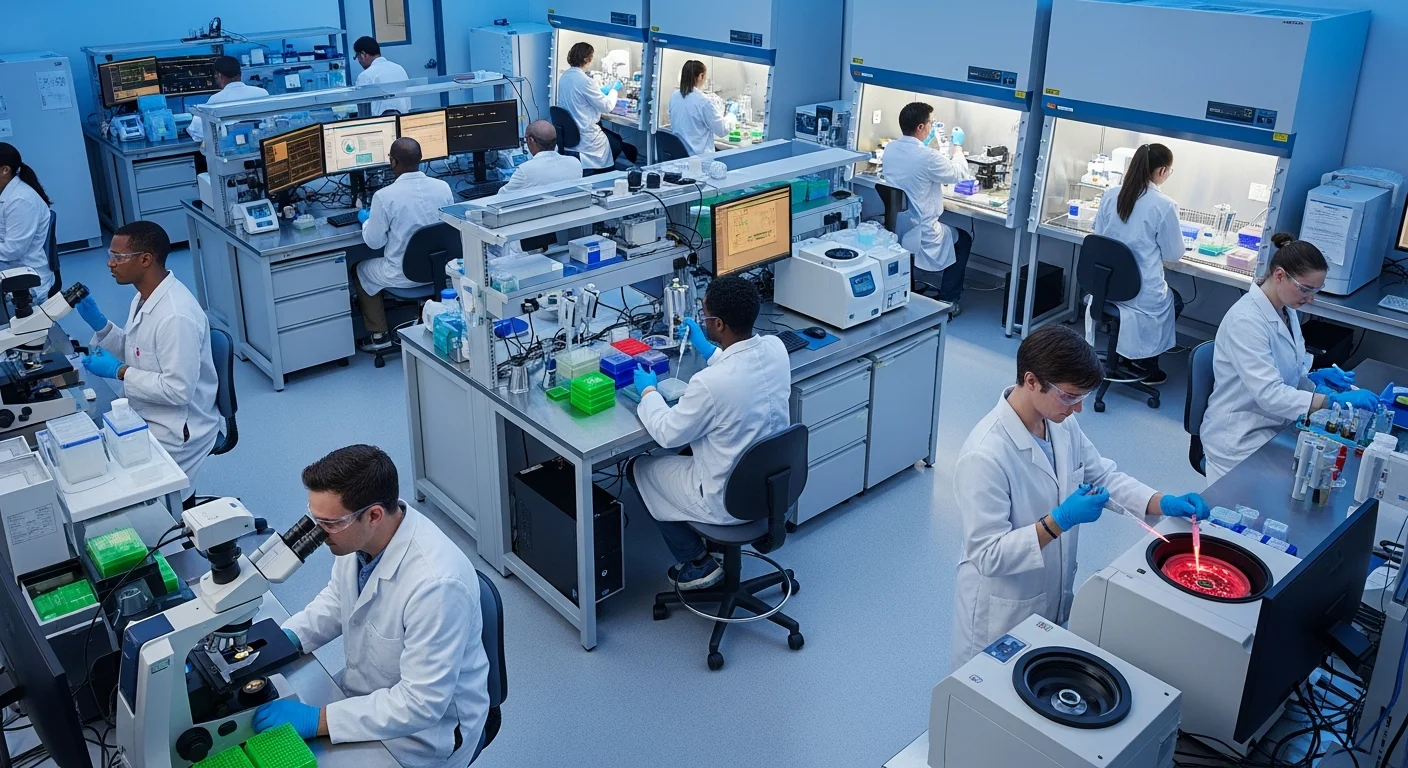
Regenerative medicine approach for cerebral palsy utilizes mesenchymal stem cells (MSCs) derived from umbilical cord tissue. These cells have remarkable regenerative properties that can support brain healing and development.
When administered, stem cells migrate to areas of brain damage where they release powerful growth factors, cytokines, and other bioactive molecules. These substances promote neuroprotection, reduce inflammation, and stimulate the formation of new neural connections.
One of the key mechanisms is the promotion of neuroplasticity—the brain's ability to reorganize and form new neural pathways. This is especially important in children, whose brains are still developing and have greater capacity for adaptation and healing.
MSCs also have potent anti-inflammatory properties. Chronic inflammation in the brain can worsen symptoms and prevent healing. By reducing this inflammation, stem cells create a more favorable environment for neural repair and development.
Additionally, stem cells support angiogenesis—the formation of new blood vessels. Improved blood flow to damaged brain regions means better oxygen and nutrient delivery, which supports cellular health and regeneration.
Clinical studies have demonstrated that regenerative approaches may lead to measurable improvements in motor function, reduced spasticity, enhanced speech and cognitive abilities, and improved overall quality of life for CP patients.
Benefits of Stem Cell Therapy for Cerebral Palsy
Improved Motor Function
Many patients experience enhanced movement control, better coordination, and increased ability to perform daily activities independently.
Reduced Spasticity
Stem cells help relax tight muscles, reducing stiffness and making movement more comfortable and fluid.
Enhanced Neuroplasticity
Treatment promotes the brain's ability to form new connections and pathways, supporting ongoing development and learning.
Better Communication
Improvements in speech, language processing, and overall communication abilities have been observed in many patients.
Cognitive Improvements
Some patients show enhanced attention, memory, and learning capabilities following treatment.
Improved Quality of Life
Overall improvements in independence, participation in activities, and general well-being.
The Care Process
Initial Consultation
Comprehensive evaluation of the patient's medical history, current condition, and treatment goals. Our team reviews all relevant medical records and imaging studies.
Medical Assessment
Thorough neurological examination and additional diagnostic tests if needed to create a personalized care plan tailored to the patient's specific needs.
Stem Cell Preparation
High-quality mesenchymal stem cells are prepared in our GMP-certified laboratory, ensuring optimal cell viability and safety.
Treatment Administration
Stem cells are administered through intravenous infusion or intrathecal injection, depending on the approach protocol determined by our medical team.
Post-Treatment Care
Patients receive detailed post-treatment instructions and may benefit from complementary therapies such as physical therapy to maximize results.
Follow-Up Monitoring
Regular follow-up appointments at 1, 3, and 6 months to monitor progress, assess improvements, and adjust ongoing care as needed.
Frequently Asked Questions
Give Your Child a Chance at a Better Future
Discover how regenerative approaches may help improve your child's motor function, reduce spasticity, and enhance their quality of life. Schedule a free consultation with our medical team today.