
14+
Years of Clinical Experience
4,850+
Patients Treated Worldwide
UK
UK Corporate Structure
190+
Peer-Reviewed Publications
Integrated Neurological Regeneration
Our Neuro-Rehabilitation & Developmental Program is designed for patients with neurological conditions ranging from childhood developmental disorders to adult neurodegenerative diseases. Under the direction of Prof. Dr. Erdal Karaöz — with over 190 peer-reviewed publications and 4,961 citations — we combine Wharton's jelly-derived MSC therapy with a structured rehabilitation framework.
Unlike isolated treatments, this program takes a holistic approach: pre-treatment neurological assessment, targeted cell therapy, integrated physiotherapy and occupational therapy, and a 12-month remote monitoring program. Our GMP-certified laboratory ensures every cell preparation meets pharmaceutical-grade quality standards.
Conditions Treated in This Program
Your Neuro-Rehabilitation Journey
A structured, phased approach designed to maximise neurological regeneration and functional improvement
Pre-Arrival Assessment
Comprehensive remote evaluation before your journey begins
- Full medical records review by Prof. Dr. Karaöz's team
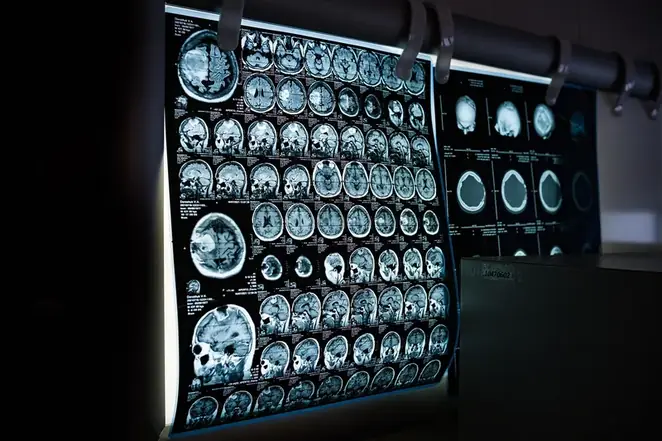
- MRI and neuroimaging analysis
- Functional assessment scales (GMFM, EDSS, UPDRS as applicable)
- Blood work and biomarker panel
- Personalised care plan development
- Video consultation with medical coordinator
On-Site Clinical Assessment
Thorough in-person evaluation at Liv Hospital Ulus, Istanbul
- Physical and neurological examination
- Advanced diagnostic imaging if required
- Baseline functional measurements
- Treatment protocol confirmation
- Informed consent and patient education
- Meet your dedicated medical team
Treatment Phase
GMP-certified regenerative medicine approach administered at JCI-accredited hospital
- Wharton's jelly MSC preparation in GMP clean-room lab
- Intravenous (IV) infusion of MSCs
- Intrathecal administration for CNS conditions (when indicated)
- Real-time vital sign monitoring throughout
- Post-infusion observation period (2–4 hours)
- Supportive rehabilitation sessions between treatments
Recovery & Integration
Structured recovery with integrated rehabilitation
- Physiotherapy and occupational therapy sessions
- Neurofeedback training where appropriate
- Nutritional guidance for neurological health
- Post-treatment blood work and assessment
- Discharge planning and home exercise programme
- Detailed medical report for referring physician
Long-Term Follow-Up
12-month structured monitoring and ongoing support
- Video consultations at 1, 3, 6, and 12 months
- Functional outcome tracking and comparison
- Rehabilitation exercise programme adjustments
- Optional second treatment cycle planning
- Access to 24/7 medical support line
- Progress reports for your home care team
Treatment Protocol Details
Each protocol is personalised, but here is an overview of the therapeutic modalities used in our neuro-rehabilitation program
Wharton's Jelly MSC Infusion
200–300 million GMP-certified mesenchymal stem cells derived from Wharton's jelly, administered intravenously across 2–3 sessions. These cells home to sites of neurological damage, reducing inflammation and promoting neuroregeneration.
Intrathecal Administration
For central nervous system conditions (MS, cerebral palsy, spinal cord involvement), MSCs are delivered directly into the cerebrospinal fluid via lumbar puncture, ensuring direct access to the brain and spinal cord.
Exosome Therapy (Adjunctive)
MSC-derived exosomes may be used as a complementary therapy, providing cell-free regenerative signalling molecules that cross the blood-brain barrier and support neural repair.
Rehabilitation Integration
Intensive physiotherapy, occupational therapy, and speech therapy sessions are integrated around treatment days to maximise functional gains during the critical window of stem cell activity.
Integrated Supportive Care
Our program goes beyond cell therapy — we provide comprehensive support to maximise your outcomes
UK-Registered Corporate Structure
StemCell Longevita operates under a UK corporate structure, providing international patients with the governance standards and consumer protections they expect.
- UK-registered company with full corporate transparency
- Contracts governed by English law for international patient protection
- Dedicated UK-based patient coordination and aftercare team
Frequently Asked Questions
Which neurological conditions does this program treat?
Our program addresses autism spectrum disorder, cerebral palsy, multiple sclerosis, Parkinson's disease, stroke recovery, dementia, and traumatic brain injury. Each condition requires a tailored protocol — for example, intrathecal delivery for MS and cerebral palsy, versus primarily IV for Parkinson's.
How many treatment sessions are needed?
Most patients receive 2–3 MSC infusion sessions during a 5–7 day stay. Some conditions benefit from a second treatment cycle 6–12 months later, which is assessed during follow-up consultations.
What improvements can we expect for a child with cerebral palsy?
Clinical studies show improvements in motor function (GMFM scores), muscle tone reduction, and cognitive gains. Many families report better mobility, speech development, and daily living independence within 3–6 months. Individual results vary and are discussed during the initial assessment.
Is the intrathecal procedure painful or risky?
Intrathecal administration is performed under local anaesthesia and is similar to a lumbar puncture. It is well-tolerated by most patients, including children. Mild headache may occur for 24–48 hours post-procedure. The procedure is performed by experienced clinicians in a hospital setting.
Examples of how a review is approached
The examples below are illustrative context types — not real patients or promised results. They show the kind of questions a medical review explores and what would be monitored in different situations:
Healthy ageing
An adult with no diagnosed neurological disease asking about general cognitive wellness and recovery rather than a specific condition.
Review focus
Age-appropriate screening and whether a specific, measurable health goal exists that a discussion could reasonably address.
Monitoring
Agreed baseline markers and how they would be re-checked; no biological-age or cognitive-performance guarantees are made.
Neurological support
Someone with a specialist-managed neurological condition asking whether a regenerative approach could sit alongside their established care.
Review focus
Current diagnosis, disease activity, and treatment plan, and how any discussion would complement — not replace — neurological care.
Monitoring
Defined functional goals tracked with the home neurology team; the approach is investigational and not a substitute for established treatment.
Post-acute recovery
A medically stable person in a recovery phase after an acute neurological event or procedure, asking about supportive options.
Review focus
Confirmation that the acute phase has passed, fitness for travel, and which recovery goals can be measured alongside ongoing rehabilitation.
Monitoring
Rehabilitation progress and agreed recovery measures reviewed at structured follow-up, coordinated with the home care team.
Illustrative situations (not real patients)
Illustrative example — a 9-year-old with cerebral palsy
This is an illustrative situation type, not a real patient: a 9-year-old child with a confirmed cerebral palsy diagnosis whose family is exploring whether a regenerative discussion could sit alongside their existing rehabilitation.
Goals discussed
- Clarifying specific, measurable functional goals (for example a defined mobility, posture, or communication target) rather than a promise of recovery
- Understanding how any discussion would complement — not replace — established physiotherapy, occupational therapy, and paediatric neurology care
- Reviewing whether the child is stable enough, and travel safe enough, for an elective assessment
Caregiver role
Parents or caregivers are central to planning and follow-up: they share developmental history, imaging, therapy reports, and medication, participate in the consultation, and continue the child's established supports at home.
Monitoring
Agreed functional measures — such as recorded motor-function or mobility scales, spasticity assessments, and therapy-team observations — are tracked against a baseline with the child's home paediatric and rehabilitation team. No developmental outcome is promised.
Illustrative example — a 55-year-old with progressive MS
This is an illustrative situation type, not a real patient: a 55-year-old adult with progressive multiple sclerosis, managed by an MS neurologist, who is asking whether an investigational approach could be discussed alongside their current care.
Goals discussed
- Defining realistic, measurable goals focused on function and participation rather than reversing disease
- Understanding that MSC approaches are investigational and are not a substitute for disease-modifying therapy or rehabilitation, and are different from HSCT
- Confirming disease activity, infection risk, and travel fitness are reviewed by the MS clinician first
Caregiver role
A partner, family member, or carer helps with travel planning, medication and mobility support, and the return-home handover, and is involved in follow-up discussions.
Monitoring
Defined measures — such as a recorded disability or mobility scale, fatigue and function tracking, and any specialist-advised imaging or laboratory checks — are reviewed against a baseline with the home MS team. No slowing or reversal of progression is promised.
When a regenerative discussion is not appropriate
Regenerative approaches for neurological and developmental conditions are investigational. They are not established treatments and do not replace neurologist- or paediatrician-led care, rehabilitation, or established therapies. A discussion is not appropriate — or should be postponed or redirected — in situations such as:
- Active cancer or ongoing chemotherapy or radiation treatment
- An active systemic infection requiring urgent treatment
- Severe organ failure or medical instability that makes travel unsafe
- Uncontrolled seizures or unstable neurological or psychiatric symptoms
- Pregnancy or planned pregnancy within three months
- An expectation of a cure, guaranteed recovery, or reversal of the condition
- An undiagnosed or unexplained symptom that needs specialist assessment first
Our medical team screens for contraindications before anything is proposed. If a regenerative approach is not appropriate for the situation, we will say so honestly and suggest continuing established care.
Related clinical questions
Where this page sits in the wider picture.