العلاج بالخلايا الجذعية لالتهاب الكبد B و C وتلف الكبد بعد الفيروسات
- مراجعة طبية بواسطة
- فريق البروفيسور الدكتور إردال كاراأوزأستاذ علم الأنسجة والأجنة · المدير الطبي لمركز الطب التجديدي
- آخر مراجعة
- المراجعة المجدولة القادمة
كيف نقيّم الأدلة · الإفصاح عن تضارب المصالح · المعايير التحريرية
مقال تعريفي. لمن يبحث في حالة أو علاج قبل اتخاذ أي قرار.
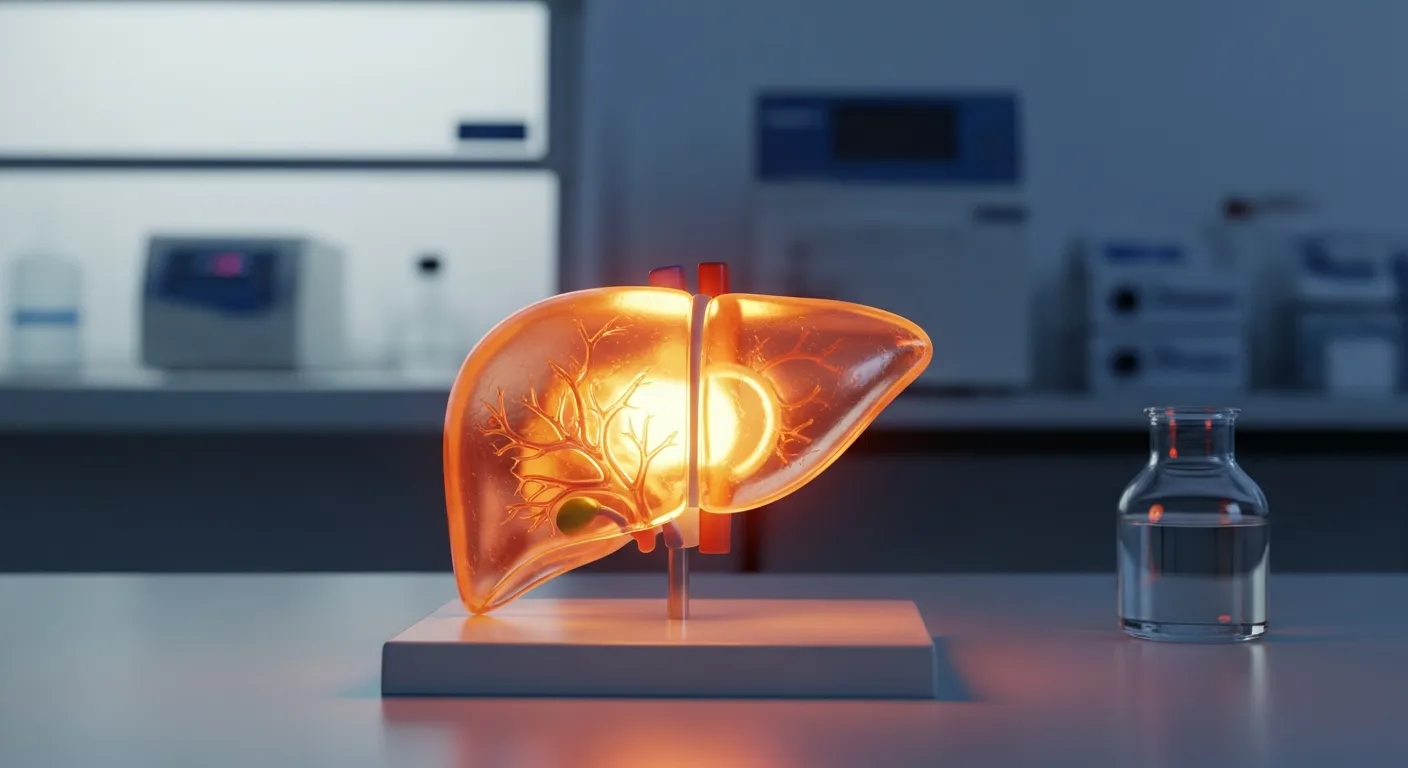
يمكن للعلاج الحديث المضاد للفيروسات أن يقضي على فيروس التهاب الكبد، لكن تلف الكبد غالبًا ما يبقى. إليك كيف يُستخدم علاج الخلايا الجذعية الوسيطة لدعم تجديد الكبد بعد الشفاء الفيروسي.
ما بعد الشفاء الفيروسي: مشكلة تلف الكبد
لقد تغير علاج التهاب الكبد الفيروسي بشكل جذري في العقد الماضي. بالنسبة لالتهاب الكبد C، يحقق العلاج المضاد للفيروسات مباشر المفعول الآن استجابة فيروسية مستدامة لدى أكثر من 95% من المرضى بجرعات فموية قصيرة. وبالنسبة لالتهاب الكبد B، تثبط مضادات النيوكليوسيد الحديثة الفيروس إلى أجل غير مسمى بسلامة ممتازة. وهذا يمثل أحد أعظم الإنجازات الطبية في العصر الحديث.
ومع ذلك، فإن الشفاء الفيروسي أو قمعه لا يعكس تلقائيًا تلف الكبد الذي سببه الفيروس. فغالبًا ما يعاني المرضى الذين عاشوا مع التهاب الكبد المزمن لسنوات قبل تحقيق الشفاء من تليف كبدي راسخ، وفي بعض الحالات تطور إلى تليف الكبد. وحتى بعد استئصال الفيروس، قد يتراجع التليف بشكل غير كامل، ويظل المرضى الذين يعانون من تليف الكبد الراسخ معرضين لخطر التدهور، وسرطان الخلايا الكبدية، والحاجة إلى زرع الكبد. لا يوجد حاليًا علاج طبي مثبت لعكس التليف الكبدي الراسخ أو تليف الكبد.
تُدرس العلاج بالخلايا الجذعية الوسيطة كخيار مساعد ناشئ لهؤلاء المرضى بعد الإصابة بالفيروسات والذين يعانون من تلف كبدي راسخ. والأساس البيولوجي قوي — حيث تقلل الخلايا الجذعية الوسيطة من التهاب الكبد، وتعدل عملية التليف، وتدعم تجديد الكبد. وتُظهر قاعدة الأدلة لعام 2026، خاصةً من المراكز الآسيوية ذات الخبرة الواسعة، إشارات واعدة في المرضى المختارين.
كيف تدعم MSCs تجديد الكبد
تتدخل MSCs في آليات متعددة ذات صلة بأمراض الكبد المزمنة والتليف بعد الفيروسات.
تقليل الالتهاب
حتى بعد الشفاء الفيروسي، غالبًا ما يستمر التهاب الكبد منخفض الدرجة، مما يدفع إلى تليف مستمر.
تأثير مضاد للتليف
تعدل الخلايا الجذعية الوسيطة (MSCs) تنشيط الخلايا النجمية الكبدية، وهي نوع الخلية المسؤولة عن تليف الكبد. قد يؤدي هذا إلى إبطاء تقدم التليف أو عكسه جزئياً.
دعم الخلايا الكبدية
تدعم عوامل النمو التي تفرزها الخلايا الجذعية الوسيطة (HGF, EGF, VEGF) تكاثر الخلايا الكبدية والقدرة التجديدية الطبيعية للكبد.
إصلاح الأوعية الدموية الدقيقة
يساهم خلل وظيفة البطانة الجيبانية في ارتفاع ضغط الدم البابي. تدعم الخلايا الجذعية الوسيطة (MSCs) الحفاظ على الأوعية الدموية الدقيقة وإصلاحها.
تحسين الوظيفة
يُظهر العديد من المرضى تحسنًا في مستويات الألبومين والبيليروبين واختبارات وظائف الكبد الاصطناعية على مدار الأشهر التي تلي العلاج.
جودة الحياة
حتى عندما تظهر مؤشرات التليف الموضوعية تغيرات متواضعة، فإن العديد من المرضى يبلغون عن تحسينات ذات مغزى في التعب والرفاهية العامة.
ما تظهره الأدلة السريرية
تراكمت الأدلة السريرية لعلاج الخلايا الجذعية الوسيطة (MSC) في أمراض الكبد المزمنة بشكل كبير على مدار الخمسة عشر عامًا الماضية، وخاصة من مجموعات الأبحاث الصينية والكورية والإيرانية. أظهرت العديد من التجارب السريرية للمرحلتين 1/2 والتحليلات التلوية التي جمعت آلاف المرضى تحسينات في وظائف الكبد الاصطناعية (الألبومين، زمن البروثرومبين)، وتخفيضات في درجات MELD لدى مرضى مختارين يعانون من أمراض غير معوضة، وتحسينات في جودة الحياة التي يبلغ عنها المرضى. أما الأدلة على عكس التليف الفعلي كما تم قياسه بواسطة FibroScan أو الخزعة فهي أكثر محدودية ولكنها موحية في بعض الدراسات.
تتركز الأدلة الإيجابية الأكثر اتساقًا في حالات تليف الكبد المعوض (Child-Pugh A ومبكر B)، وفي المرضى خلال 5 سنوات من التخلص من الفيروس، وفي المرضى الذين لا يعانون من مضاعفات كبيرة مثل خثار الوريد البابي أو سرطان الخلايا الكبدية. أما بالنسبة لتليف الكبد غير المعوض المصحوب باستسقاء كبير، أو اعتلال دماغي، أو نزيف دوالي، فإن الأدلة أكثر تباينًا ويكون توازن المخاطر والفوائد أكثر فردية.
الملخص الصادق لعام 2026 هو أن علاج الخلايا الجذعية الوسيطة (MSC) قد يدعم بشكل هادف وظائف الكبد ويبطئ تقدم التليف لدى مرضى مختارين بعد الإصابة الفيروسية، ولكنه لا يحول الكبد التالف إلى كبد سليم. يجب على المرضى الذين يعانون من أمراض الكبد في المرحلة النهائية عدم تأخير تقييم زراعة الكبد لصالح العلاج الخلوي عندما تكون الزراعة هي المسار المناسب.
حالات الكبد التي قد تستجيب
الحالات التي تحظى بأكبر قدر من الدعم بالعلاج بالخلايا الجذعية الوسيطة (MSC) في عام 2026.
بروتوكول العلاج
يستخدم البروتوكول النموذجي لعام 2026 خلايا جذعية وسيطة (MSCs) خيفية من هلام وارتون تُعطى وريديًا بجرعات تتراوح من 1-2 مليون خلية لكل كيلوغرام لكل حقنة. يتلقى معظم المرضى 2-3 حقن على مدار زيارة تستغرق 5-7 أيام، مع الأخذ في الاعتبار تكرار العلاج بعد 6-12 شهرًا بناءً على الاستجابة. تستخدم بعض المراكز المتخصصة أيضًا الحقن المباشر في الشريان الكبدي عبر الأشعة التداخلية، على الرغم من أن هذا أكثر صعوبة من الناحية الفنية وغير متاح عالميًا.
يشمل التقييم قبل العلاج تقييمًا مفصلًا لوظائف الكبد (اختبارات وظائف الكبد، INR، الألبومين، MELD إن أمكن)، وتقييم التليف (FibroScan أو التصوير الحديث)، وتنظير الجهاز الهضمي العلوي إذا لزم الأمر لفحص الدوالي، والحالة الفيروسية الحالية، ومراجعة أي مضاعفات. يتم تنسيق خطة العلاج مع أخصائي أمراض الكبد الخاص بالمريض كلما أمكن ذلك. يجب أن يستمر العلاج المضاد للفيروسات إذا كان المريض يتلقى علاجًا مثبطًا لالتهاب الكبد B.
عملية الحقن هي رعاية خارجية بسيطة. يعود معظم المرضى إلى المنزل في غضون أسبوع من الوصول. تسمح المتابعة المنظمة لمدة 12 شهرًا مع اختبارات وظائف الكبد المتسلسلة وإعادة تقييم التليف بعد 6 و 12 شهرًا بتتبع الاستجابة. يحتاج مرضى تليف الكبد إلى مراقبة مستمرة من أخصائي الكبد لسرطان الخلايا الكبدية بغض النظر عن أي فائدة للعلاج الخلوي.
الدمج مع رعاية الكبد
يهدف العلاج بالخلايا الجذعية الوسيطة (MSC) إلى تكملة، وليس استبدال، إدارة أمراض الكبد القائمة على الأدلة.
تنسيق مع أخصائي الكبد
يجب أن يظل أخصائي الكبد الخاص بك هو المحور الرئيسي في رعايتك. العلاج بالخلايا الجذعية الوسيطة (MSC) هو علاج مساعد، وليس بديلاً للإدارة المعمول بها.
متابعة الأدوية المضادة للفيروسات
بالنسبة لالتهاب الكبد B، يجب أن يستمر قمع الفيروسات المضادة إلى أجل غير مسمى. إيقاف مضادات الفيروسات لـ 'تجربة' علاج الخلايا الجذعية الوسيطة (MSC) وحده أمر خطير وغير مناسب.
مراقبة سرطان الكبد (HCC)
يجب أن تستمر المراقبة المنتظمة لسرطان الخلايا الكبدية (HCC) بالتصوير وتحليل ألفا-فيتوبروتين كل 6 أشهر بغض النظر عن أي علاج خلوي.
فحص الدوالي
يحتاج مرضى تليف الكبد إلى مراقبة تنظيرية مستمرة للدوالي وفقًا للإرشادات القياسية.
تحسين نمط الحياة
يظل الامتناع عن الكحول، وإدارة الوزن لمكون الكبد الدهني غير الكحولي (NAFLD)، وتحسين الأيض أساسيين.
تقييم الزراعة
يجب تقييم المرضى الذين يعانون من أمراض غير معوضة لإجراء الزراعة. يجب ألا يؤخر علاج الخلايا الجذعية الوسيطة (MSC) تقييم الزراعة عندما تكون الزراعة هي المسار المناسب.
اعتبارات الأهلية
يتطلب اختيار المرضى المصابين بأمراض الكبد دراسة دقيقة بشكل خاص.
الأسئلة المتكررة
التنسيق الدولي للمرضى
تعمل StemCell Longevita كمنصة تنسيق دولية للمرضى. نربط المرضى بالمؤسسات الطبية المرخصة التي تقدم تطبيقات الطب التجديدي بعد تقييم الطبيب وضمن الأطر التنظيمية المعمول بها. جميع القرارات والإجراءات الطبية يتم اتخاذها حصرياً من قبل متخصصين صحيين مرخصين. StemCell Longevita لا تقدم علاجاً طبياً مباشراً.
إخلاء مسؤولية طبية
المعلومات المقدمة في هذا الموقع هي لأغراض تعليمية وإعلامية فقط ولا يُقصد بها أن تكون نصيحة طبية. العلاج بالخلايا الجذعية مجال متطور، وقد تختلف النتائج من فرد لآخر. لم يتم تقييم أو اعتماد العلاجات الموصوفة في هذا الموقع بالكامل من قبل FDA أو الهيئات التنظيمية المماثلة في جميع الولايات القضائية.
لم توافق FDA على تطبيقات الخلايا الجذعية لمعظم الحالات المذكورة في هذا الموقع. تستند النتائج المذكورة إلى الملاحظات السريرية، والأبحاث المنشورة، والنتائج المبلغ عنها من قبل المرضى. قد تختلف النتائج الفردية ولا يتم ضمان نتائج محددة لأي مريض على حدة.
إدراج المنشورات العلمية على هذا الموقع لا يعني الموافقة التنظيمية أو نتائج سريرية مضمونة. قد تُعتبر بعض التطبيقات تجريبية حسب الاستطباب والاختصاص القضائي.
استشر دائمًا أخصائي رعاية صحية مؤهلاً قبل اتخاذ أي قرارات طبية. لا تتجاهل النصائح الطبية المتخصصة أو تؤخر طلب العلاج بناءً على المعلومات الموجودة في هذا الموقع.
أسئلة سريرية ذات صلة
موضع هذه الصفحة ضمن الصورة الأوسع.