العلاج بالخلايا الجذعية لمرض الزهايمر
- مراجعة طبية بواسطة
- فريق البروفيسور الدكتور إردال كاراأوزأستاذ علم الأنسجة والأجنة · المدير الطبي لمركز الطب التجديدي
- آخر مراجعة
- المراجعة المجدولة القادمة
كيف نقيّم الأدلة · الإفصاح عن تضارب المصالح · المعايير التحريرية
علاجات MSC المتقدمة التي تستهدف الالتهاب العصبي، وتعزز تكوين الخلايا العصبية، وتحمي الخلايا العصبية الباقية لإبطاء التدهور المعرفي.
لمحة عن الأدلة — مرض الزهايمر
ملخص مبسط لما تظهره الأبحاث المنشورة وما لا تظهره لهذه الحالة. تمت كتابته بنفس المعيار سواء كانت الأدلة قوية أو ضعيفة.
- دراسات بشرية متاحة؟
- نعم — مرحلة مبكرة فقط
- تجارب عشوائية؟
- تجارب صغيرة عشوائية ومفتوحة من المرحلة 1/2؛ لم يتم إثبات إشارة فعالية
- النتائج الرئيسية التي تمت دراستها
- مقاييس الإدراك (ADAS-Cog, MMSE)
- المؤشرات الحيوية
- التصوير
- السلامة
- أدلة طويلة الأمد
- محدود جدًا
- الموافقة التنظيمية لهذا المؤشر
- الولايات المتحدة (FDA): لا يوجد منتج خلايا جذعية متوسطة معتمد من FDA لهذا الاستخدام. أصدرت FDA تحذيرات للمستهلكين بشأن منتجات الخلايا الجذعية غير المعتمدة.
- الاتحاد الأوروبي (EMA): لا يوجد دواء خلايا جذعية متوسطة معتمد من EMA لهذا الاستخدام.
- المملكة المتحدة (MHRA): لا يوجد دواء خلايا جذعية متوسطة معتمد من MHRA لهذا الاستخدام.
- تركيا (وزارة الصحة): في تركيا، يتم تقديم العلاجات الخلوية فقط داخل المراكز المرخصة من وزارة الصحة بموجب لوائح الطب التجديدي / العلاج المتقدم، كبحث سريري أو استخدام فردي (استثنائي) — وليس كعلاج روتيني معتمد لهذا الاستخدام.
- الدور في مركزنا
- سياق بحثي — يُنظر فيه فقط عندما تكون الرعاية القياسية مستنفدة أو غير مناسبة، ولا يحل محلها أبدًا
ما نوع الأدلة الموجودة
- الآلية (مختبر): موثق
- حيواني / ما قبل سريري: موثق
- بشري مبكر (المرحلة 1/2، غير متحكم بها): موثق
- بشري متحكم به (عشوائي أو متحكم بالوهم): موثق
- الموافقة التنظيمية: غير مثبت
المصادر
- Systematic reviews and meta-analyses — Alzheimer's disease — PubMed
- Randomised controlled trials — Alzheimer's disease — PubMed
- Registered MSC trials — Alzheimer's disease — ClinicalTrials.gov
- FDA — Consumer alert on regenerative medicine therapies — U.S. Food and Drug Administration, 2024
- Advanced therapy medicinal products: overview — European Medicines Agency, 2025
- ISSCR Guidelines for Stem Cell Research and Clinical Translation — International Society for Stem Cell Research, 2021
- ISSCR Patient Handbook on Stem Cell Therapies — International Society for Stem Cell Research, 2020
تفتح روابط المصادر عمليات بحث مصفاة في PubMed و ClinicalTrials.gov بالإضافة إلى صفحات الهيئات التنظيمية والجمعيات المهنية، حتى تتمكن من قراءة الأدلة الحالية بنفسك بدلاً من مقتطف مختار.
هذا الملخص هو معلومات عامة حول قاعدة الأدلة، وليس نصيحة طبية ولا وعدًا بالفائدة. لا يمكن تحديد ما إذا كان أي علاج مناسبًا لك إلا بعد مراجعة طبية لسجلاتك.
ما هو مرض الزهايمر؟
مرض الزهايمر هو الشكل الأكثر شيوعًا للخرف، ويصيب أكثر من 55 مليون شخص حول العالم. وهو اضطراب عصبي تنكسي تدريجي يتميز بتراكم لويحات أميلويد بيتا وتشابكات بروتين تاو في الدماغ، مما يؤدي إلى موت الخلايا العصبية والتدهور المعرفي.
تقدم العلاجات التقليدية إدارة محدودة للأعراض دون معالجة التنكس العصبي الأساسي. يمثل العلاج بالخلايا الجذعية الوسيطة (MSC) نهجًا واعدًا من خلال استهداف الأسباب الجذرية لفقدان الخلايا العصبية، وتقليل الالتهاب العصبي، وتعزيز آليات إصلاح الدماغ الطبيعية.
في StemCell Longevita، نستخدم خلايا MSCs المشتقة من الحبل السري (Wharton's jelly) والتي يتم إعطاؤها عبر الطرق داخل القراب والوريدية لزيادة الفائدة العلاجية لمرضى الزهايمر، مع بروتوكولات علاج تم تطويرها بالتعاون مع خبراء الأعصاب الرائدين.
كيف يساعد العلاج بالخلايا الجذعية في علاج مرض الزهايمر
تقليل الالتهاب العصبي
تعمل خلايا MSCs على تثبيط الخلايا الدبقية الصغيرة النشطة وتقليل إنتاج السيتوكينات المسببة للالتهابات في الدماغ، مما يبطئ الشلال الالتهابي العصبي الذي يؤدي إلى موت الخلايا العصبية.
تعزيز تكوين الخلايا العصبية
تطلق الخلايا الجذعية عوامل غذائية عصبية (BDNF، NGF، GDNF) تحفز نمو الوصلات العصبية الجديدة وتدعم صحة الخلايا العصبية الباقية.
الحماية العصبية
تحمي الإكسوسومات المشتقة من خلايا MSCs الخلايا العصبية الموجودة من الإجهاد التأكسدي وموت الخلايا المبرمج، مما يحافظ على الوظيفة المعرفية ويبطئ تطور المرض.
دعم الوظيفة المعرفية
يلاحظ العديد من المرضى تحسنًا في استدعاء الذاكرة، ومدة الانتباه، والقدرات اللغوية، وأنشطة الحياة اليومية بعد العلاج بالخلايا الجذعية الوسيطة (MSC).
عملية العلاج
رحلتك العلاجية خطوة بخطوة في StemCell Longevita
التقييم العصبي
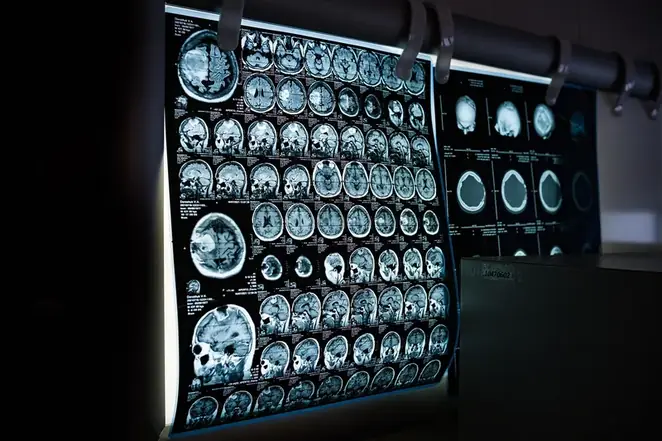
اختبار معرفي شامل، وتصوير بالرنين المغناطيسي للدماغ، وتحليل العلامات الحيوية لتقييم مرحلة المرض وإنشاء بروتوكول مخصص.
تخطيط العلاج
تصميم بروتوكول مخصص بناءً على نتائج التقييم المعرفي ومدة المرض وخصائص المريض الفردية.
تحضير الخلايا الجذعية الوسيطة (MSC)
خلايا جذعية وسيطة عالية الجودة من Wharton's jelly يتم تحضيرها في مختبرنا المعتمد بمعيار GMP مع ضمان حيوية بنسبة 97%.
إدارة عبر مسارين
التوصيل المزدوج داخل القراب (العمود الفقري) والوريدي لتحقيق أقصى قدر من التوافر البيولوجي في الدماغ والتأثيرات المضادة للالتهابات الجهازية.
المراقبة والمتابعة
تقييمات معرفية بعد العلاج في 3 و 6 و 12 شهرًا لتتبع التحسينات وتخطيط بروتوكولات الصيانة.
تجارب المرضى
نتائج حقيقية لمرضى اختاروا الطب التجديدي في StemCell Longevita إسطنبول
"بعد 8 سنوات من التدهور، أشعر أخيرًا أنني أتقدم مرة أخرى. الفريق في إسطنبول منحني ما لم يستطع اختصاصي الأعصاب في بلدي تقديمه — أمل مدعوم بنتائج حقيقية."
"خلال ثلاثة أشهر من العلاج، بدأت ابنتنا في مناداتنا بأسمائنا. لاحظ معلموها الفرق قبل أن نخبرهم عن العلاج."
فهم النهج التجديدي لمرض الزهايمر
يتطلب مرض الزهايمر إدارة شاملة بقيادة طبيب أعصاب. تتضمن الاستشارة مراجعة التشخيص والمرحلة والأدوية الحالية واحتياجات الدعم وسلامة السفر قبل مناقشة ما إذا كان يمكن النظر في نهج تجديدي إضافي.
هذه الصفحة هي للمعلومات ولا تحل محل نصيحة أخصائيك المعتاد. يتم تحديد الأهلية وطريقة الإعطاء والمتابعة فقط بعد مراجعة طبية فردية.
من قد يتم النظر فيه؟
تعتمد الملاءمة على التشخيص ومرحلة المرض والصحة العامة واحتياجات الدعم وما إذا كان يمكن القيام بالسفر الدولي بأمان:
- المرضى الذين لديهم تشخيص مؤكد من قبل أخصائي وسجلات عصبية حالية
- الأشخاص الذين يمكن مراجعة مرحلة مرضهم وصحتهم العامة وأدويتهم قبل السفر
- المرضى الذين يشارك فرد من العائلة أو مقدم رعاية في التخطيط والمتابعة
- الباحثون عن علاج مساعد محدود الأدلة مع الاستمرار في الرعاية المعيارية للخرف
كيف يتم تخطيط المسار السريري
الخطة الموصى بها مخصصة بعد مراجعة السجلات؛ إنها ليست حزمة علاجية ثابتة تناسب الجميع.
- 1
مراجعة السجلات الطبية عن بعد
يقوم الفريق بمراجعة التشخيص، التاريخ المرضي، نتائج التصوير أو الاختبارات، الأدوية الحالية، والأهداف التي ترغب في مناقشتها.
- 2
تقييم الأهلية السريرية
يقوم الطبيب بتقييم ما إذا كان النهج التجديدي يمكن مناقشته بأمان، بما في ذلك طريقة الإعطاء والحاجة إلى أي فحوصات إضافية.
- 3
خطة مكتوبة قبل السفر
إذا كان ذلك مناسبًا، ستتلقى مخططًا مكتوبًا للنهج المقترح، والجدول الزمني المتوقع للزيارة، والاستثناءات، وترتيبات التنسيق.
- 4
تأكيد ومتابعة شخصية
يتم إعادة تأكيد الخطة بعد تقييم شخصي في اسطنبول، مع ترتيب متابعة عن بُعد بعد الزيارة.
ما يهدف النهج إلى معالجته
لا تزال الآليات التجديدية المحتملة للتنكس العصبي قيد الدراسة. إنها لا تلغي الحاجة إلى رعاية الخرف المعيارية، ويجب مناقشة النتائج المتوقعة بحذر.
تختلف الأدلة والنتائج باختلاف التشخيص، ومرحلة المرض، وطريقة العلاج، والفرد. الاستشارة هي المكان لمناقشة ما هو معروف، وما لا يزال غير مؤكد، وما إذا كان النهج مناسبًا لك.
الجدول الزمني المتوقع والمتابعة
تتطور فوائد الزهايمر تدريجياً بعد العلاج، حيث يُظهر مرضى المرحلة المبكرة عادةً أقوى استجابة:
- 1
العلاج
يزيد التوصيل الوريدي وداخل القراب للخلايا الجذعية الوسيطة (MSC) من تعرض الدماغ عبر السائل الدماغي الشوكي خلال إقامة تتراوح من 3 إلى 5 أيام في إسطنبول.
- 2
استقرار معرفي (3-6 أشهر)
قد يختبر المرضى استقرارًا أو تحسنًا في استدعاء الذاكرة والانتباه والتركيز والتواصل اللفظي والوعي المكاني والقدرة على القيام بالأنشطة اليومية، مع تطور الفوائد على مدى 3-6 أشهر.
- 3
متابعة مستمرة
يتم تتبع التقدم من خلال برنامج متابعة معرفية لمدة 12 شهرًا.
متى قد لا يكون العلاج مناسباً
بينما يُعد علاج MSC آمنًا لمعظم المرضى، قد تكون بعض الحالات موانع. العلاج غير مناسب في الحالات التالية:
- سرطان نشط أو علاج كيميائي/إشعاعي مستمر
- التهابات جهازية نشطة تتطلب مضادات حيوية وريدية
- فشل عضوي حاد (فشل كلوي، كبدي، أو قلبي في المرحلة النهائية)
- الحمل أو التخطيط للحمل خلال 3 أشهر
- حساسية معروفة لأي مكون يُستخدم في معالجة الخلايا
يقوم فريقنا الطبي بإجراء فحص دقيق لتحديد أي موانع قبل العلاج. إذا لم يكن العلاج بالخلايا الجذعية مناسبًا لحالتك، فسنقدم لك المشورة بصدق.
أسئلة لمناقشتها قبل اتخاذ القرار
مسار السفر وتنسيق الرعاية
العلاج في StemCell Longevita هو برنامج سياحة طبية شامل من استشارتك الأولى حتى متابعتك لمدة 12 شهرًا:
- 1
استشارة مجانية عبر الإنترنت ومراجعة السجلات الطبية
تبدأ رحلتك باستشارة مجانية عن بُعد. يقوم فريقنا الطبي بمراجعة سجلاتك الطبية والفحوصات التصويرية والتاريخ المرضي لتقييم مدى الأهلية — لا يلزم السفر في هذه المرحلة.
- 2
بروتوكول مكتوب مخصص وخطة علاجية
تتلقى بروتوكولًا علاجيًا مكتوبًا ومخصصًا وخطة تفصيلية للجرعات الموصى بها من الخلايا وطريقة التسليم والجدول الزمني المتوقع لحالتك.
- 3
حجز السفر بمساعدة العيادة
يساعد فريقنا في ترتيبات سفرك. تشمل كل باقة خدمة نقل كبار الشخصيات من المطار وإقامة في فندق 5 نجوم مع وجبة إفطار لك ولأحد أفراد عائلتك المرافقين.
- 4
تقييم طبي عند الوصول في اسطنبول
عند وصولك، تخضع لتقييم طبي شخصي في مستشفى Liv Hospital Ulus المعتمد من JCI في اسطنبول قبل بدء العلاج.
- 5
أيام العلاج
يتم تقديم العلاج خلال فترة إقامتك، مع إقامة إجمالية نموذجية تتراوح من 3 إلى 5 أيام تشمل التقييم والعلاج والمراقبة.
- 6
العودة إلى الوطن ومتابعة عن بُعد لمدة 12 شهرًا
بعد عودتك إلى الوطن، تتلقى برنامج متابعة عن بُعد لمدة 12 شهرًا مع فحوصات منتظمة لتتبع تقدمك.
جميع تطبيقات الطب التجديدي
استكشف مجموعتنا الشاملة من تطبيقات الطب التجديدي للحالات المختلفة. انقر على أي خيار لمعرفة المزيد.
مقالات ذات صلة
استكشف مقالاتنا المتعمقة وأدلةنا حول العلاجات والطرق ذات الصلة.
النهج الطب التجديدي للشلل الدماغي: أمل جديد للأطفال
اكتشف كيف يغير النهج الطب التجديدي الوسيطة مشهد علاج الشلل الدماغي، مما يوفر تحسينات في الوظائف الحركية وجودة الحياة للأطفال والعائلات حول العالم.
اقرأ المقالعلاج اضطراب طيف التوحد بالخلايا الجذعية
استكشف الإمكانات الواعدة للنهج الطب التجديدي في معالجة أعراض اضطراب طيف التوحد، بما في ذلك التحسينات في التواصل والتفاعل الاجتماعي وأنماط السلوك.
اقرأ المقالالتعافي من السكتة الدماغية: كيف تدعم الخلايا الجذعية الدعم العصبي
استكشاف إمكانات النهج الطب التجديدي في إعادة التأهيل بعد السكتة الدماغية، بما في ذلك آليات العمل والتحسينات المُبلغ عنها في الوظائف الحركية والإدراكية.
اقرأ المقالأسئلة سريرية ذات صلة
موضع هذه الصفحة ضمن الصورة الأوسع.