Stem Cell Therapy for Autism in Children: Science, Ethics & What Parents Should Know
- Written by
- StemCell Longevita Editorial Team
- Medically reviewed by
- Prof. Dr. Erdal Karaöz TeamProfessor of Histology and Embryology · Medical Director, Center for Regenerative Medicine
- Last reviewed
- Next scheduled review
How we evaluate evidence · Conflict-of-interest disclosure · Editorial standards
Background explainer. Written for readers researching a condition or treatment before deciding anything.
A comprehensive, evidence-based guide exploring how regenerative medicine may support children on the autism spectrum — the science behind it, the ethical questions it raises, and what families need to consider.
Understanding Autism Spectrum Disorder
Autism Spectrum Disorder (ASD) is a complex neurodevelopmental condition that affects how a person communicates, interacts socially, and processes sensory information. The term "spectrum" reflects the wide range of challenges and strengths that each individual may experience — from children who are nonverbal and require significant support, to those who communicate fluently but struggle with social nuances and sensory overload.
According to the World Health Organization, approximately 1 in 100 children worldwide is diagnosed with ASD, though prevalence estimates vary by country and diagnostic criteria. In the United States, the CDC reports that approximately 1 in 36 children has been identified with ASD as of 2024, reflecting both increased awareness and broader diagnostic criteria.
The causes of autism are multifactorial. Research points to a combination of genetic predisposition and environmental factors that influence brain development during early childhood. Recent studies have identified neuroinflammation — chronic inflammation in brain tissue — as a potentially significant factor in many cases of autism. This finding has opened the door to regenerative medicine approaches that target inflammation at a biological level.
Traditional autism interventions include Applied Behavior Analysis (ABA), speech-language therapy, occupational therapy, and various educational supports. While these approaches can be highly effective, many families continue to search for additional options — particularly for children who have not responded as hoped to conventional therapies, or who experience severe symptoms that significantly impact daily life.
Neurological
Affects brain connectivity, neural communication, and sensory processing pathways
Social
Impacts communication, social interaction, and emotional regulation abilities
Behavioral
May include repetitive behaviors, restricted interests, and sensory sensitivities
How Stem Cell Therapy Works for Autism
The human brain relies on an intricate network of neurons, neurotransmitters, and glial cells to process information and regulate behavior. In many children with ASD, this delicate balance is disrupted. Research has identified several biological factors that may contribute to autism symptoms, including chronic neuroinflammation, reduced blood flow to certain brain regions, immune system dysregulation, and impaired neural connectivity.
Stem cell therapy for autism targets these underlying biological mechanisms rather than addressing symptoms alone. Mesenchymal stem cells (MSCs), the most commonly used cell type in autism protocols, work through several interconnected pathways to support neurological function and reduce the biological burden that may contribute to autism symptoms.
Anti-Inflammatory Action
MSCs release anti-inflammatory cytokines that help reduce chronic neuroinflammation in brain tissue. Studies have shown that many children with ASD have elevated inflammatory markers in cerebrospinal fluid, and reducing this inflammation may improve neural function.
Improved Cerebral Blood Flow
Stem cells promote angiogenesis — the formation of new blood vessels — which can improve oxygen and nutrient delivery to brain regions affected by hypoperfusion. Better blood flow supports healthier neural activity and may reduce oxidative stress.
Immune System Modulation
Many children with ASD show signs of immune dysregulation, including elevated autoimmune markers. MSCs have powerful immunomodulatory properties that help rebalance immune responses, potentially reducing the autoimmune-like processes that may affect brain development.
Neuroprotection & Repair
Stem cells secrete neurotrophic factors — proteins that support neuron survival, growth, and differentiation. These paracrine effects can help protect existing neurons from damage and stimulate the formation of new neural connections.
Enhanced Synaptic Connectivity
By promoting the growth of new synapses and strengthening existing neural pathways, stem cells may help improve the brain's ability to process social cues, language, and sensory information — core areas affected in autism.
Gut-Brain Axis Support
Emerging research suggests a connection between gut health and autism symptoms. MSCs may help modulate gut inflammation and support the microbiome-brain connection, potentially improving gastrointestinal issues that many children with ASD experience.
Types of Stem Cells Used in Autism Treatment
Not all stem cells are the same. Different types have different capabilities, sources, and safety profiles. Understanding these differences is important for parents evaluating treatment options. The choice of stem cell type depends on the child's specific condition, the treatment protocol, and the clinical evidence supporting each approach.
Mesenchymal Stem Cells (MSCs)
Source: Umbilical cord tissue (Wharton's jelly), bone marrow, adipose tissue
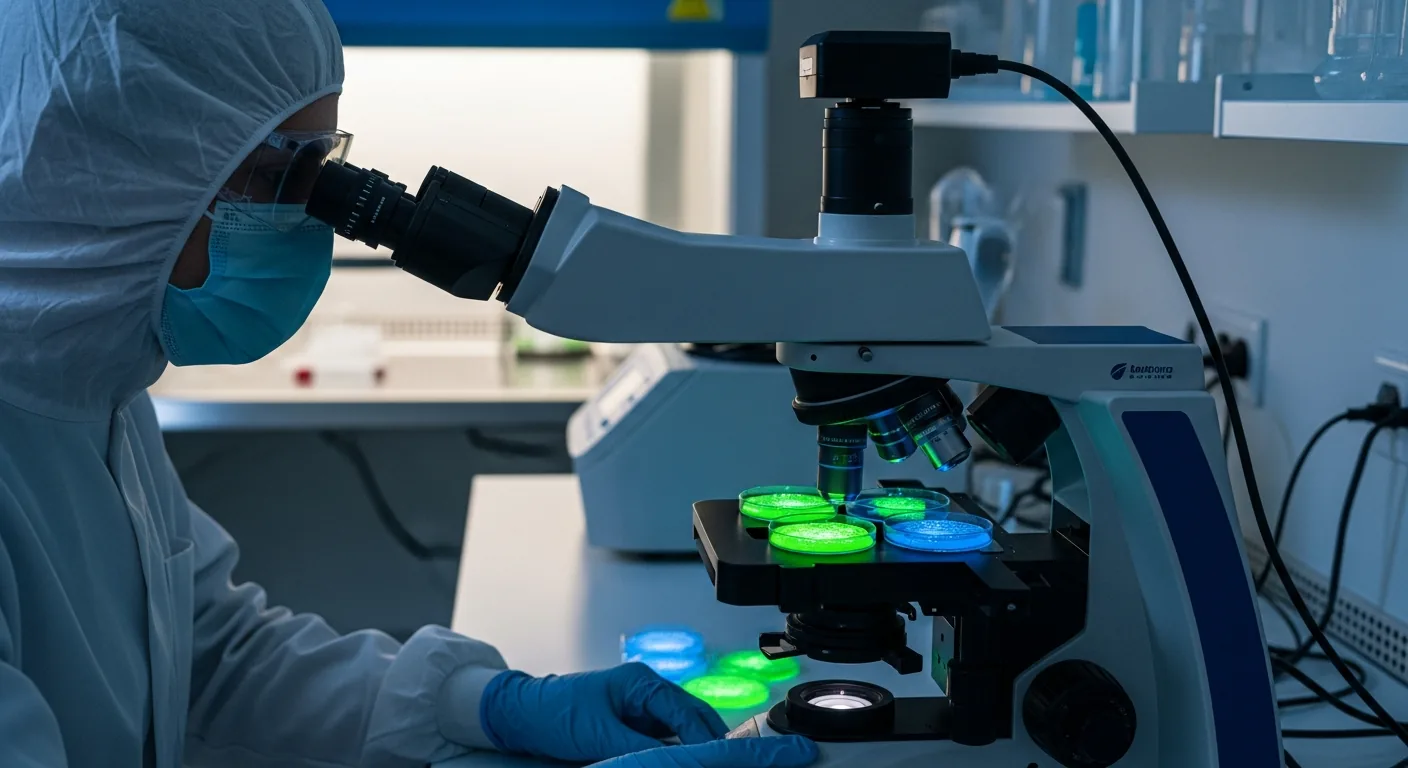
MSCs are the most widely used and studied cell type for autism applications. They have potent anti-inflammatory and immunomodulatory properties and can be administered without the need for HLA matching, making them suitable for allogeneic (donor-derived) use. Umbilical cord-derived MSCs are particularly preferred in pediatric protocols because they are young, highly viable cells collected through an ethical, non-invasive process from healthy donor tissue that would otherwise be discarded after birth.
Hematopoietic Stem Cells (HSCs)
Source: Cord blood, bone marrow
HSCs are primarily known for their role in blood and immune system development. In autism applications, they may help reset or modulate dysfunctional immune responses. The Duke University clinical trial that generated significant attention used autologous (the child's own) cord blood, which contains HSCs among other cell types. Access to HSCs typically requires banked cord blood or a bone marrow harvest procedure.
Neural Stem Cells (NSCs)
Source: Fetal tissue, laboratory cultivation
NSCs can differentiate directly into neurons and glial cells, making them theoretically well-suited for neurological conditions. However, their use in autism treatment is still largely in the research phase. Clinical availability is limited, and ethical sourcing considerations are more complex. Most current clinical protocols for autism use MSCs rather than NSCs.
Clinical Evidence & Research
The scientific evidence for stem cell therapy in autism has grown substantially over the past decade. While the field is still evolving and larger randomized controlled trials are ongoing, several key studies have provided encouraging results that warrant careful consideration.
A landmark phase II randomized controlled trial conducted at Duke University, published in the journal Stem Cells Translational Medicine, studied the effects of autologous cord blood infusion in 180 children with ASD aged 2-7. The study found statistically significant improvements in socialization scores on the Vineland Adaptive Behavior Scale in children who received higher cell doses, particularly in those without co-occurring intellectual disability.
A 2020 meta-analysis published in Stem Cell Research & Therapy reviewed multiple studies involving stem cell therapy for autism and concluded that the treatment showed promise in improving behavioral symptoms, with a favorable safety profile across the analyzed studies. The authors noted that improvements were particularly evident in communication abilities, social behavior, and overall developmental scores.
More recent studies from 2023-2025 have focused on umbilical cord-derived mesenchymal stem cells (UC-MSCs), showing improvements in inflammatory biomarkers alongside behavioral gains. A randomized, double-blind, placebo-controlled trial published in 2024 in the Journal of Translational Medicine reported significant improvements in the Childhood Autism Rating Scale (CARS) scores at 6-month follow-up in the treatment group compared to placebo.
Key Research Findings Summary
Important Research Context
While clinical results are encouraging, stem cell therapy for autism is still considered an evolving field. Larger, multi-center randomized controlled trials are needed to establish definitive efficacy, optimal dosing, and long-term outcomes. Results vary between individuals, and stem cell therapy should not be presented as a cure for autism. Parents should evaluate the evidence carefully and consult with qualified medical professionals before making treatment decisions.
The Treatment Process: What to Expect
Understanding the step-by-step treatment process helps families prepare both practically and emotionally. A reputable treatment protocol involves thorough evaluation, careful preparation, and comprehensive follow-up care. Here is what a typical stem cell therapy journey looks like for a child with autism.
Comprehensive Medical Evaluation
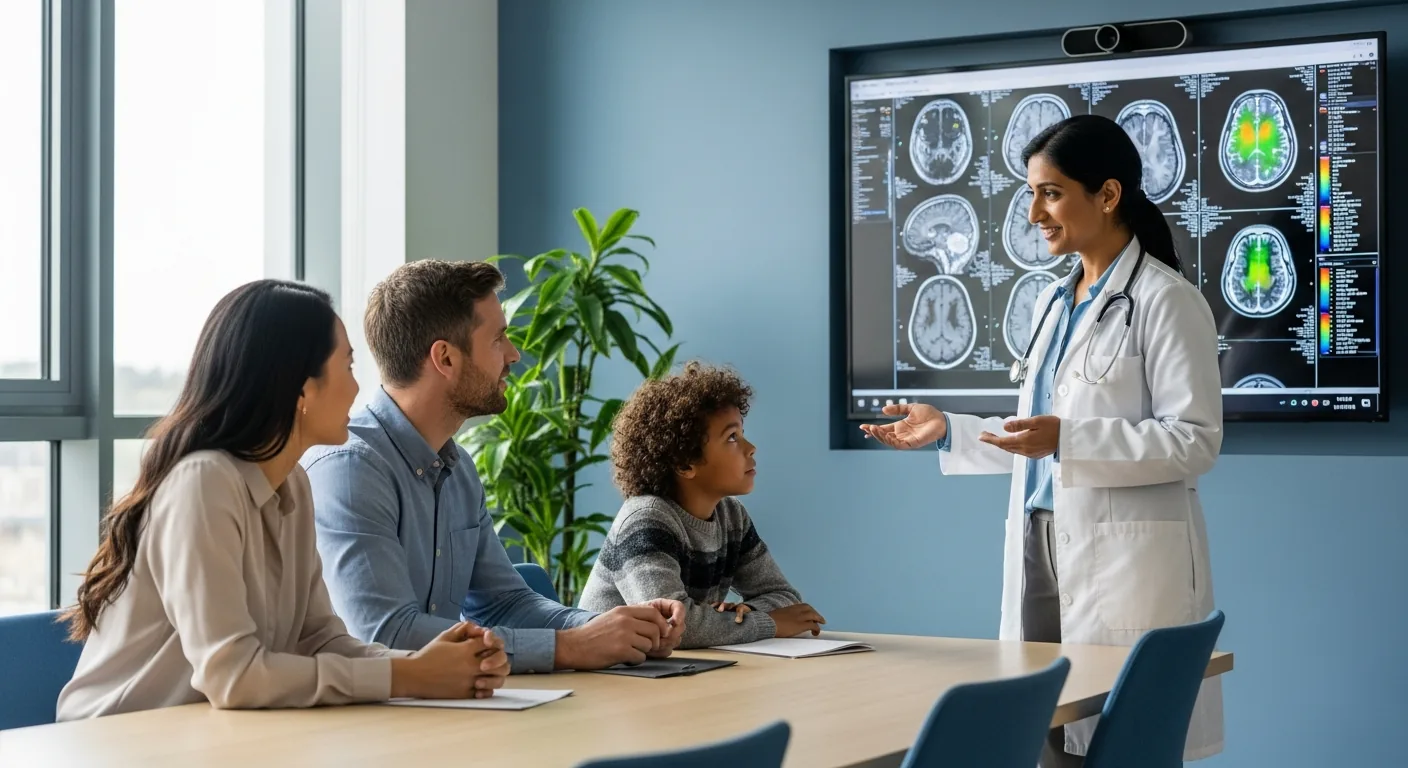
The process begins with a thorough assessment of the child's medical history, developmental profile, and current symptoms. This typically includes neurological evaluation, blood work (complete blood count, metabolic panel, inflammatory markers), and developmental scoring using standardized tools like CARS-2 or ADOS-2. The medical team determines whether the child is a suitable candidate based on their overall health status.
Stem Cell Preparation & Quality Testing
If using allogeneic (donor-derived) stem cells, the cells undergo rigorous quality control testing in a GMP-certified laboratory. This includes viability testing (ensuring 95%+ cell viability), sterility testing, endotoxin testing, and mycoplasma screening. Cell count and potency are verified before administration. This quality assurance process ensures safety and efficacy of the cellular product.
Treatment Administration
Stem cells are typically administered through intravenous (IV) infusion, intrathecal injection (into the spinal fluid), or a combination of both. IV administration is minimally invasive and well-tolerated by most children. Intrathecal delivery may be used in some protocols to deliver cells closer to the central nervous system. The procedure itself typically takes 30-60 minutes, with the child monitored throughout.
Monitoring & Recovery
Following administration, children are monitored for several hours for any immediate reactions. Most children experience no significant discomfort. Some may develop a mild fever or temporary irritability within 24-48 hours, which typically resolves spontaneously. Most families are able to resume normal activities within 1-2 days following treatment.
Follow-Up & Progress Tracking
Structured follow-up assessments are conducted at regular intervals — typically at 1, 3, 6, and 12 months post-treatment. These include developmental scoring, parent questionnaires, and clinical evaluation. Progress data helps the medical team assess the child's response and make recommendations for continued care, including whether additional treatment sessions may be beneficial.
Expected Outcomes & Reported Benefits
Clinical studies and accumulated clinical experience have documented a range of potential improvements following stem cell therapy in children with autism. It is crucial to emphasize that results vary significantly between individuals — some children show dramatic improvements, others show moderate gains, and some may not respond noticeably. Setting realistic expectations is an essential part of responsible treatment.
Improvements typically begin to emerge gradually, often between 1-3 months after treatment, with continued progress possible for up to 12 months. The most commonly reported improvements span several developmental domains.

Social Interaction
- Improved eye contact and social awareness
- Increased interest in peer interaction
- Better understanding of social cues
- More spontaneous social engagement
Communication & Language
- New word acquisition or expanded vocabulary
- Improved verbal and nonverbal communication
- Better comprehension of spoken language
- Emergence of two-word phrases in previously nonverbal children
Emotional & Behavioral
- Reduced tantrums and meltdowns
- Better emotional regulation and frustration tolerance
- Decreased repetitive or self-stimulatory behaviors
- Improved mood stability and reduced anxiety
Cognitive & Sensory
- Enhanced attention span and focus
- Improved sensory processing and reduced hypersensitivity
- Better sleep quality and duration
- Increased adaptive behavior and self-care skills
Ethical Considerations: A Balanced Perspective
As stem cell therapy becomes more accessible for children with autism, it brings with it important ethical questions that deserve honest examination. These are not reasons to dismiss the treatment — but they are reasons to approach it thoughtfully and with clear intentions.
The Question of Consent
Young children cannot provide informed consent for medical procedures. This places an extraordinary responsibility on parents and medical teams to act in the child's best interest. Unlike routine medical decisions, stem cell therapy involves a developing field where long-term outcomes are still being studied. Ethical practice requires that parents receive comprehensive, unbiased information about both potential benefits and limitations, and that decisions are made collaboratively with qualified medical professionals.
Treating Suffering vs. Changing Identity
This is perhaps the most nuanced ethical question in autism treatment. Autism is not a disease — it is a neurological difference that comes with both challenges and strengths. Many autistic adults view their neurodivergence as a core part of their identity, not a defect to be corrected. The distinction matters: treating the suffering that may accompany autism (communication barriers, sensory overload, sleep disturbance, chronic discomfort) is ethically different from trying to make a child appear more neurotypical for the convenience of others.
Responsible treatment should focus on expanding the child's capabilities and reducing distress — giving them more tools to navigate the world, not fewer ways to be themselves. The goal should be quality of life, not conformity.
The Cost & Access Question
Stem cell therapy for autism typically costs thousands of dollars and is rarely covered by insurance. This creates an inequitable situation where access depends on financial resources rather than medical need. Families may deplete savings or take on debt for a treatment with variable outcomes. Ethical clinics should be transparent about realistic expectations, avoid exploiting parental desperation, and provide honest assessments of likely outcomes based on the child's specific profile.
Moving Forward Ethically
Evidence-Based Decisions
Treatment decisions should be grounded in published clinical evidence, not marketing claims or anecdotal stories alone. Parents deserve access to balanced, accurate information.
Child-Centered Goals
Treatment goals should be defined by improving the child's comfort, capabilities, and quality of life — not by how closely they approximate neurotypical behavior.
Neurodivergent Perspectives
Autistic adults and advocacy organizations should have input in treatment guidelines and research priorities. Their lived experience provides essential context.
Complementary Approach
Stem cell therapy should complement — never replace — proven interventions like speech therapy, OT, and educational support. It works best as part of a comprehensive care plan.
Post-Treatment Care & Rehabilitation
Research and clinical experience consistently show that the best outcomes from stem cell therapy for autism occur when the biological treatment is combined with structured post-treatment rehabilitation. The period following stem cell administration may represent a window of enhanced neuroplasticity — a time when the brain is particularly receptive to therapeutic input.
An interdisciplinary approach is essential. Rather than viewing stem cell therapy as a standalone solution, it should be integrated into a comprehensive care plan that addresses the child's developmental needs from multiple angles simultaneously.
Behavioral Therapy (ABA)
Continue or intensify structured behavioral interventions during the months following treatment. Many families report that children become more receptive and engaged in ABA sessions after stem cell therapy, potentially allowing faster skill acquisition.
Speech-Language Therapy
For children with communication challenges, post-treatment speech therapy can capitalize on any neurological improvements. Therapists may notice increased vocalization attempts, better imitation, or improved comprehension that can be built upon systematically.
Occupational Therapy
OT helps children develop fine motor skills, sensory regulation strategies, and daily living skills. Post-treatment gains in sensory processing may allow children to engage more productively in OT activities and tolerate previously challenging sensory inputs.
Nutritional Support
Many children with autism have dietary sensitivities or nutritional deficiencies. Working with a nutritionist to address gut health, ensure adequate micronutrient intake, and manage food selectivity can support the body's healing processes and overall well-being.
Physical Activity & Play
Structured physical activity, including swimming, horseback riding (hippotherapy), and outdoor play, supports motor development, sensory integration, and social engagement. These activities also promote overall health and can improve sleep quality.
Parent Training & Support
Parents play the most important role in their child's daily development. Training in therapeutic techniques, communication strategies, and behavior management empowers families to reinforce gains consistently at home and in community settings.
Choosing a Safe Treatment Provider
The growing demand for stem cell therapy for autism has unfortunately led to a proliferation of clinics with varying levels of quality, expertise, and ethical standards. Choosing the right provider is one of the most important decisions a family will make. Here are key factors to evaluate.
Laboratory Standards
Verify that stem cells are prepared in a GMP-certified (Good Manufacturing Practice) laboratory with documented quality control procedures. Ask about cell viability rates, sterility testing protocols, and quality certifications.
Medical Team Credentials
Look for facilities with board-certified specialists in relevant fields — neurology, pediatrics, and regenerative medicine. The treating physician should have documented experience with pediatric stem cell protocols specifically.
Published Outcomes
Reputable providers should be able to share outcome data from their patient population, ideally published in peer-reviewed journals. Be cautious of clinics that rely solely on testimonials without clinical data.
Transparent Communication
A trustworthy provider will give you realistic expectations, clearly explain potential risks and limitations, and never guarantee specific outcomes. Be wary of clinics that promise cures or use high-pressure sales tactics.
Comprehensive Care Model
The best programs integrate stem cell therapy into a broader treatment plan that includes pre-treatment evaluation, the procedure itself, and structured post-treatment follow-up with measurable outcome tracking.
Ethical Sourcing
Ensure that stem cells are ethically sourced — particularly when using allogeneic (donor) cells. Umbilical cord tissue donated voluntarily after healthy births is considered the most ethically straightforward source.
Frequently Asked Questions
Answers to the most common questions parents ask about stem cell therapy for autism in children.
Medical Disclaimer: This article is for informational and educational purposes only and does not constitute medical advice. Stem cell therapy for autism is an evolving field, and individual results may vary. Always consult with qualified healthcare professionals before making treatment decisions for your child. StemCell Longevita operates as an international patient coordination platform, facilitating access to physician-directed regenerative medicine protocols. We do not claim to cure autism or any other condition.
International Patient Coordination
StemCell Longevita operates as an international patient coordination platform. We connect patients with licensed medical institutions that provide regenerative medicine applications following physician evaluation and applicable regulatory frameworks. All medical decisions and procedures are conducted exclusively by authorized healthcare professionals. StemCell Longevita does not directly provide medical treatment.
Medical Disclaimer
The information provided on this website is for educational and informational purposes only and is not intended as medical advice. Stem cell therapy is an evolving field, and outcomes may vary by individual. The treatments described on this site have not been fully evaluated or approved by the FDA or equivalent regulatory bodies in all jurisdictions.
The FDA has not approved stem cell applications for most conditions listed on this website. Results mentioned are based on clinical observations, published research, and patient-reported outcomes. Individual results may vary and no specific outcomes are assured for any individual patient.
Inclusion of scientific publications on this website does not imply regulatory approval, and does not imply any clinical outcome for an individual patient. Certain applications may be considered investigational depending on indication and jurisdiction.
Always consult with a qualified healthcare professional before making any medical decisions. Do not disregard professional medical advice or delay seeking treatment based on information found on this website.
Related clinical questions
Where this page sits in the wider picture.