Terapia con Cellule Staminali per l'Autismo nei Bambini: Scienza, Etica & Cosa i Genitori Dovrebbero Sapere
- Scritto da
- Team editoriale StemCell Longevita
- Revisione medica di
- Team del Prof. Dr. Erdal KaraözProfessore di Istologia ed Embriologia · Direttore medico, Centro di Medicina Rigenerativa
- Ultima revisione
- Prossima revisione programmata
Come valutiamo le prove · Dichiarazione di conflitto di interessi · Standard editoriali
Guida di approfondimento. Per chi si informa prima di decidere.
Una guida completa e basata sull'evidenza che esplora come la medicina rigenerativa possa supportare i bambini nello spettro autistico — la scienza che la sottende, le questioni etiche che solleva e ciò che le famiglie devono considerare.
Comprendere il Disturbo dello Spettro Autistico
Il Disturbo dello Spettro Autistico (DSA) è una complessa condizione dello sviluppo neurologico che influenza il modo in cui una persona comunica, interagisce socialmente e elabora le informazioni sensoriali. Il termine "spettro" riflette l'ampia gamma di sfide e punti di forza che ogni individuo può sperimentare — dai bambini non verbali che richiedono un supporto significativo, a quelli che comunicano fluentemente ma lottano con le sfumature sociali e il sovraccarico sensoriale.
Secondo l'Organizzazione Mondiale della Sanità, circa 1 bambino su 100 in tutto il mondo riceve una diagnosi di DSA, sebbene le stime di prevalenza varino in base al paese e ai criteri diagnostici. Negli Stati Uniti, il CDC riporta che circa 1 bambino su 36 è stato identificato con DSA a partire dal 2024, riflettendo sia una maggiore consapevolezza che criteri diagnostici più ampi.
Le cause dell'autismo sono multifattoriali. La ricerca indica una combinazione di predisposizione genetica e fattori ambientali che influenzano lo sviluppo del cervello durante la prima infanzia. Studi recenti hanno identificato la neuroinfiammazione — l'infiammazione cronica nel tessuto cerebrale — come un fattore potenzialmente significativo in molti casi di autismo. Questa scoperta ha aperto la strada agli approcci di medicina rigenerativa che mirano all'infiammazione a livello biologico.
Gli interventi tradizionali per l'autismo includono l'Analisi Comportamentale Applicata (ABA), la terapia logopedica, la terapia occupazionale e vari supporti educativi. Sebbene questi approcci possano essere altamente efficaci, molte famiglie continuano a cercare opzioni aggiuntive — in particolare per i bambini che non hanno risposto come sperato alle terapie convenzionali, o che manifestano sintomi gravi che influiscono significativamente sulla vita quotidiana.
Neurologia
Influenza la connettività cerebrale, la comunicazione neurale e i percorsi di elaborazione sensoriale
Sociale
Influisce sulla comunicazione, sull'interazione sociale e sulle capacità di regolazione emotiva
Comportamentale
Può includere comportamenti ripetitivi, interessi ristretti e sensibilità sensoriali
Come Funziona la Terapia con Cellule Staminali per l'Autismo
Il cervello umano si affida a una complessa rete di neuroni, neurotrasmettitori e cellule gliali per elaborare le informazioni e regolare il comportamento. In molti bambini con DSA, questo delicato equilibrio è interrotto. La ricerca ha identificato diversi fattori biologici che possono contribuire ai sintomi dell'autismo, tra cui neuroinfiammazione cronica, ridotto flusso sanguigno a determinate regioni cerebrali, disregolazione del sistema immunitario e connettività neurale compromessa.
La terapia con cellule staminali per l'autismo mira a questi meccanismi biologici sottostanti piuttosto che affrontare i soli sintomi. Le cellule staminali mesenchimali (MSC), il tipo di cellule più comunemente utilizzato nei protocolli per l'autismo, agiscono attraverso diverse vie interconnesse per supportare la funzione neurologica e ridurre il carico biologico che può contribuire ai sintomi dell'autismo.
Azione Antinfiammatoria
Le MSC rilasciano citochine antinfiammatorie che aiutano a ridurre la neuroinfiammazione cronica nel tessuto cerebrale. Studi hanno dimostrato che molti bambini con DSA hanno marcatori infiammatori elevati nel liquido cerebrospinale, e la riduzione di questa infiammazione può migliorare la funzione neurale.
Miglioramento del Flusso Sanguigno Cerebrale
Le cellule staminali promuovono l'angiogenesi – la formazione di nuovi vasi sanguigni – che può migliorare l'apporto di ossigeno e nutrienti alle regioni cerebrali affette da ipoperfusione. Un migliore flusso sanguigno supporta un'attività neurale più sana e può ridurre lo stress ossidativo.
Modulazione del Sistema Immunitario
Molti bambini con ASD mostrano segni di disregolazione immunitaria, inclusi marcatori autoimmuni elevati. Le MSC possiedono potenti proprietà immunomodulatorie che aiutano a riequilibrare le risposte immunitarie, riducendo potenzialmente i processi di tipo autoimmune che possono influenzare lo sviluppo cerebrale.
Neuroprotezione e Riparazione
Le cellule staminali secernono fattori neurotrofici – proteine che supportano la sopravvivenza, la crescita e la differenziazione dei neuroni. Questi effetti paracrini possono aiutare a proteggere i neuroni esistenti dai danni e a stimolare la formazione di nuove connessioni neurali.
Connettività Sinaptica Migliorata
Promuovendo la crescita di nuove sinapsi e rafforzando le vie neurali esistenti, le cellule staminali possono contribuire a migliorare la capacità del cervello di elaborare segnali sociali, linguaggio e informazioni sensoriali – aree centrali affette nell'autismo.
Supporto dell'Asse Intestino-Cervello
Ricerche emergenti suggeriscono una connessione tra la salute intestinale e i sintomi dell'autismo. Le MSC possono aiutare a modulare l'infiammazione intestinale e supportare la connessione microbiota-cervello, migliorando potenzialmente i problemi gastrointestinali che molti bambini con ASD sperimentano.
Tipi di Cellule Staminali Utilizzate nel Trattamento dell'Autismo
Non tutte le cellule staminali sono uguali. Tipi diversi hanno capacità, fonti e profili di sicurezza diversi. Comprendere queste differenze è importante per i genitori che valutano le opzioni di trattamento. La scelta del tipo di cellula staminale dipende dalla specifica condizione del bambino, dal protocollo di trattamento e dall'evidenza clinica a supporto di ciascun approccio.
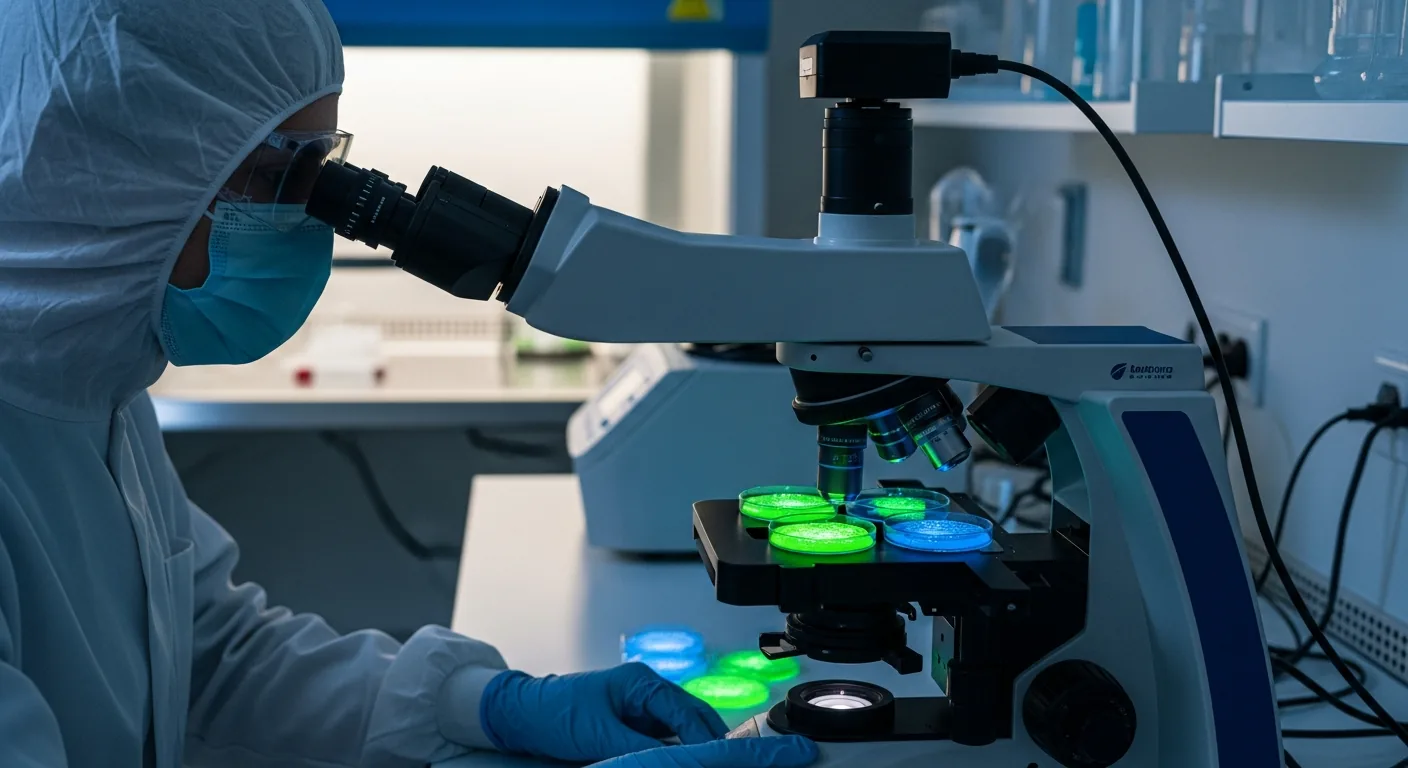
Cellule Staminali Mesenchimali (MSC)
Source: Umbilical cord tissue (Wharton's jelly), bone marrow, adipose tissue
Le MSC sono il tipo di cellule più ampiamente utilizzato e studiato per le applicazioni nell'autismo. Hanno potenti proprietà antinfiammatorie e immunomodulatorie e possono essere somministrate senza la necessità di compatibilità HLA, rendendole adatte per l'uso allogenico (derivato da donatore). Le MSC derivate dal cordone ombelicale sono particolarmente preferite nei protocolli pediatrici perché sono cellule giovani, altamente vitali, raccolte attraverso un processo etico e non invasivo da tessuto di donatore sano che altrimenti verrebbe scartato dopo la nascita.
Cellule Staminali Ematopoietiche (HSC)
Source: Cord blood, bone marrow
Le HSC sono principalmente note per il loro ruolo nello sviluppo del sangue e del sistema immunitario. Nelle applicazioni per l'autismo, possono aiutare a ripristinare o modulare risposte immunitarie disfunzionali. Lo studio clinico della Duke University che ha generato notevole attenzione ha utilizzato sangue cordonale autologo (del bambino stesso), che contiene HSC tra gli altri tipi di cellule. L'accesso alle HSC richiede tipicamente sangue cordonale crioconservato o una procedura di prelievo di midollo osseo.
Cellule Staminali Neurali (NSC)
Source: Fetal tissue, laboratory cultivation
Le NSC possono differenziarsi direttamente in neuroni e cellule gliali, rendendole teoricamente ben adatte per le condizioni neurologiche. Tuttavia, il loro impiego nel trattamento dell'autismo è ancora in gran parte nella fase di ricerca. La disponibilità clinica è limitata e le considerazioni etiche sull'approvvigionamento sono più complesse. La maggior parte degli attuali protocolli clinici per l'autismo utilizza MSC piuttosto che NSC.
Evidenze Cliniche & Ricerca
L'evidenza scientifica per la terapia con cellule staminali nell'autismo è cresciuta sostanzialmente nell'ultimo decennio. Sebbene il campo sia ancora in evoluzione e siano in corso studi clinici randomizzati più ampi, diversi studi chiave hanno fornito risultati incoraggianti che meritano un'attenta considerazione.
Un'importante sperimentazione clinica randomizzata di fase II condotta presso la Duke University, pubblicata sulla rivista Stem Cells Translational Medicine, ha studiato gli effetti dell'infusione di sangue cordonale autologo in 180 bambini con ASD di età compresa tra 2 e 7 anni. Lo studio ha riscontrato miglioramenti statisticamente significativi nei punteggi di socializzazione sulla Vineland Adaptive Behavior Scale nei bambini che hanno ricevuto dosi cellulari più elevate, in particolare in quelli senza disabilità intellettiva coesistente.
Una meta-analisi del 2020 pubblicata su Stem Cell Research & Therapy ha esaminato numerosi studi che coinvolgono la terapia con cellule staminali per l'autismo e ha concluso che il trattamento mostrava promesse nel migliorare i sintomi comportamentali, con un profilo di sicurezza favorevole in tutti gli studi analizzati. Gli autori hanno notato che i miglioramenti erano particolarmente evidenti nelle capacità comunicative, nel comportamento sociale e nei punteggi di sviluppo complessivi.
Studi più recenti dal 2023 al 2025 si sono concentrati sulle cellule staminali mesenchimali derivate dal cordone ombelicale (UC-MSC), mostrando miglioramenti nei biomarcatori infiammatori insieme a benefici comportamentali. Uno studio randomizzato, in doppio cieco, controllato con placebo pubblicato nel 2024 sul Journal of Translational Medicine ha riportato miglioramenti significativi nei punteggi della Childhood Autism Rating Scale (CARS) a 6 mesi di follow-up nel gruppo di trattamento rispetto al placebo.
Sintesi dei Principali Risultati della Ricerca
Contesto Importante della Ricerca
Sebbene i risultati clinici siano incoraggianti, la terapia con cellule staminali per l'autismo è ancora considerata un campo in evoluzione. Sono necessari studi clinici randomizzati multicentrici più ampi per stabilire un'efficacia definitiva, un dosaggio ottimale e gli esiti a lungo termine. I risultati variano tra gli individui e la terapia con cellule staminali non deve essere presentata come una cura per l'autismo. I genitori dovrebbero valutare attentamente le prove e consultare professionisti medici qualificati prima di prendere decisioni sul trattamento.
Il Processo di Trattamento: Cosa Aspettarsi
Comprendere il processo di trattamento passo dopo passo aiuta le famiglie a prepararsi sia praticamente che emotivamente. Un protocollo di trattamento affidabile prevede una valutazione approfondita, un'attenta preparazione e un follow-up completo. Ecco come si presenta un tipico percorso di terapia con cellule staminali per un bambino con autismo.

Valutazione Medica Completa
Il processo inizia con una valutazione approfondita della storia clinica del bambino, del profilo di sviluppo e dei sintomi attuali. Questo include tipicamente una valutazione neurologica, esami del sangue (emocromo completo, pannello metabolico, marcatori infiammatori) e punteggio di sviluppo utilizzando strumenti standardizzati come CARS-2 o ADOS-2. Il team medico determina se il bambino è un candidato idoneo in base al suo stato di salute generale.
Preparazione delle Cellule Staminali e Test di Qualità
Se si utilizzano cellule staminali allogeniche (derivanti da donatore), le cellule vengono sottoposte a rigorosi test di controllo qualità in un laboratorio certificato GMP. Ciò include test di vitalità (garantendo una vitalità cellulare superiore al 95%), test di sterilità, test per endotossine e screening per micoplasma. Il conteggio cellulare e la potenza vengono verificati prima della somministrazione. Questo processo di garanzia della qualità assicura la sicurezza e l'efficacia del prodotto cellulare.
Somministrazione del Trattamento
Le cellule staminali vengono tipicamente somministrate tramite infusione endovenosa (IV), iniezione intratecale (nel liquido spinale) o una combinazione di entrambe. La somministrazione IV è minimamente invasiva e ben tollerata dalla maggior parte dei bambini. La somministrazione intratecale può essere utilizzata in alcuni protocolli per portare le cellule più vicino al sistema nervoso centrale. La procedura in sé richiede in genere 30-60 minuti, con il bambino monitorato per tutta la durata.
Monitoraggio e Recupero
Dopo la somministrazione, i bambini vengono monitorati per diverse ore per eventuali reazioni immediate. La maggior parte dei bambini non avverte alcun disagio significativo. Alcuni possono sviluppare una febbre lieve o irritabilità temporanea entro 24-48 ore, che di solito si risolve spontaneamente. La maggior parte delle famiglie è in grado di riprendere le normali attività entro 1-2 giorni dal trattamento.
Follow-up e Monitoraggio dei Progressi
Valutazioni di follow-up strutturate vengono condotte a intervalli regolari, tipicamente a 1, 3, 6 e 12 mesi post-trattamento. Queste includono la valutazione dello sviluppo, questionari per i genitori e valutazione clinica. I dati sui progressi aiutano il team medico a valutare la risposta del bambino e a formulare raccomandazioni per la cura continuativa, incluso se sessioni di trattamento aggiuntive possano essere benefiche.
Risultati Attesi e Benefici Riportati
Studi clinici e l'esperienza clinica accumulata hanno documentato una serie di potenziali miglioramenti in seguito alla terapia con cellule staminali nei bambini con autismo. È fondamentale sottolineare che i risultati variano significativamente tra gli individui: alcuni bambini mostrano miglioramenti notevoli, altri mostrano guadagni moderati e alcuni potrebbero non rispondere in modo percepibile. Stabilire aspettative realistiche è una parte essenziale di un trattamento responsabile.
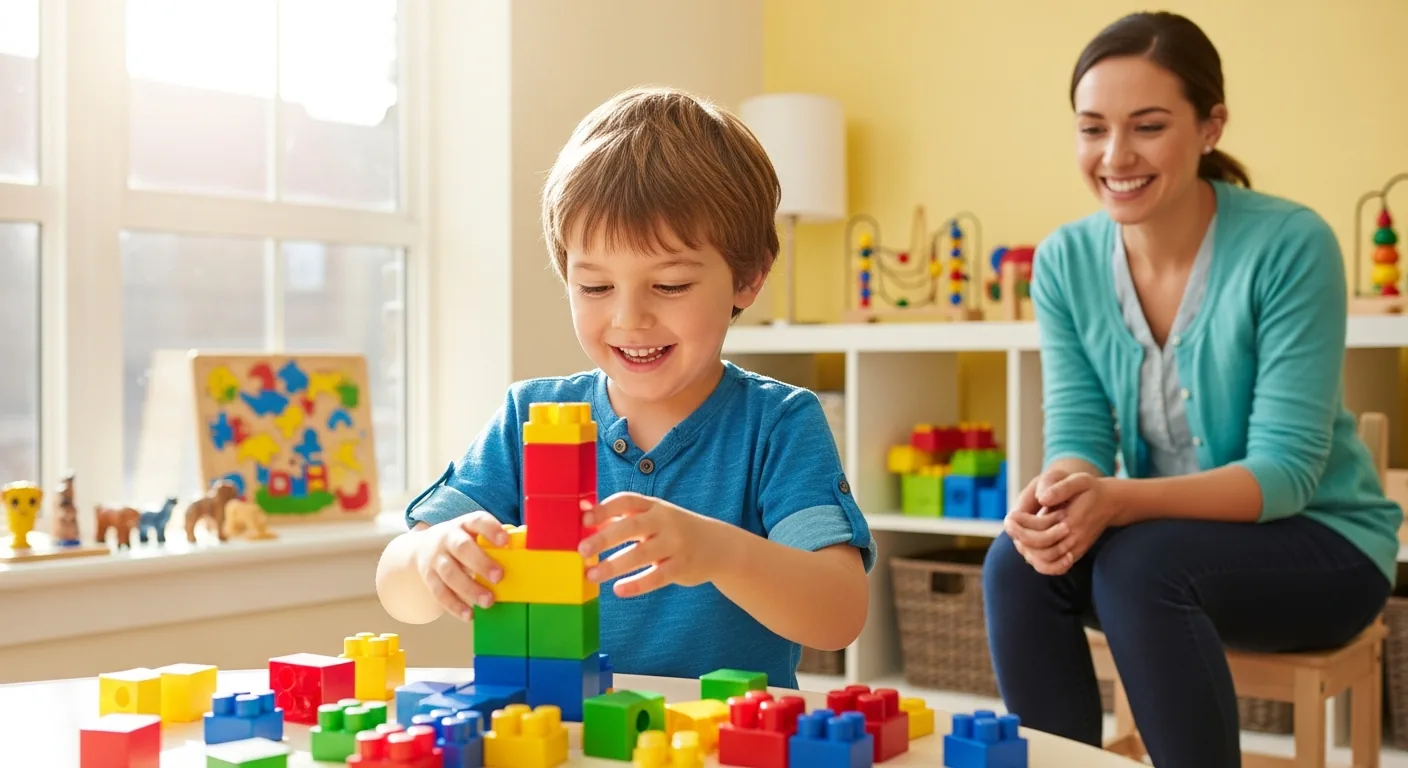
I miglioramenti iniziano tipicamente a emergere gradualmente, spesso tra 1-3 mesi dopo il trattamento, con progressi continui possibili fino a 12 mesi. I miglioramenti più comunemente riportati si estendono a diversi domini dello sviluppo.
Interazione Sociale
- Migliorato contatto visivo e consapevolezza sociale
- Aumento dell'interesse per l'interazione con i pari
- Migliore comprensione dei segnali sociali
- Impegno sociale più spontaneo
Comunicazione e Linguaggio
- Acquisizione di nuove parole o espansione del vocabolario
- Miglioramento della comunicazione verbale e non verbale
- Migliore comprensione del linguaggio parlato
- Comparsa di frasi di due parole in bambini precedentemente non verbali
Emotivo e Comportamentale
- Riduzione di capricci e crisi di nervi
- Migliore regolazione emotiva e tolleranza alla frustrazione
- Diminuzione dei comportamenti ripetitivi o auto-stimolatori
- Miglioramento della stabilità dell'umore e riduzione dell'ansia
Cognitivo e Sensoriale
- Miglioramento della capacità di attenzione e della concentrazione
- Miglioramento dell'elaborazione sensoriale e riduzione dell'ipersensibilità
- Migliore qualità e durata del sonno
- Aumento del comportamento adattivo e delle abilità di auto-cura
Considerazioni Etiche: Una Prospettiva Equilibrata
Man mano che la terapia con cellule staminali diventa più accessibile per i bambini con autismo, essa solleva importanti questioni etiche che meritano un esame onesto. Queste non sono ragioni per scartare il trattamento, ma sono ragioni per affrontarlo con ponderazione e con intenzioni chiare.
La Questione del Consenso
I bambini piccoli non possono fornire un consenso informato per le procedure mediche. Questo pone una responsabilità straordinaria sui genitori e sui team medici di agire nel migliore interesse del bambino. A differenza delle decisioni mediche di routine, la terapia con cellule staminali coinvolge un campo in via di sviluppo in cui gli esiti a lungo termine sono ancora oggetto di studio. La pratica etica richiede che i genitori ricevano informazioni complete e imparziali sia sui potenziali benefici che sulle limitazioni, e che le decisioni siano prese in collaborazione con professionisti medici qualificati.
Trattare la Sofferenza vs. Cambiare l'Identità
Questa è forse la questione etica più sfumata nel trattamento dell'autismo. L'autismo non è una malattia, è una differenza neurologica che comporta sia sfide che punti di forza. Molti adulti autistici vedono la loro neurodivergenza come una parte centrale della loro identità, non un difetto da correggere. La distinzione è importante: trattare la sofferenza che può accompagnare l'autismo (barriere comunicative, sovraccarico sensoriale, disturbi del sonno, disagio cronico) è eticamente diverso dal cercare di far apparire un bambino più neurotipico per la convenienza degli altri.
Un trattamento responsabile dovrebbe concentrarsi sull'espansione delle capacità del bambino e sulla riduzione del disagio, fornendogli più strumenti per affrontare il mondo, non meno modi per essere se stesso. L'obiettivo dovrebbe essere la qualità della vita, non la conformità.
La Questione dei Costi e dell'Accesso
La terapia con cellule staminali per l'autismo costa tipicamente migliaia di dollari ed è raramente coperta dall'assicurazione. Questo crea una situazione iniqua in cui l'accesso dipende dalle risorse finanziarie piuttosto che dalla necessità medica. Le famiglie possono esaurire i risparmi o indebitarsi per un trattamento con esiti variabili. Le cliniche etiche dovrebbero essere trasparenti riguardo alle aspettative realistiche, evitare di sfruttare la disperazione dei genitori e fornire valutazioni oneste dei probabili risultati basate sul profilo specifico del bambino.
Procedere Eticamente
Decisioni Basate sull'Evidenza
Le decisioni terapeutiche dovrebbero essere fondate su evidenze cliniche pubblicate, non solo su affermazioni di marketing o aneddoti. I genitori meritano accesso a informazioni equilibrate e accurate.
Obiettivi Centrati sul Bambino
Gli obiettivi del trattamento dovrebbero essere definiti dal miglioramento del comfort, delle capacità e della qualità della vita del bambino, non da quanto si avvicinano a un comportamento neurotipico.
Prospettive Neurodivergenti
Gli adulti autistici e le organizzazioni di difesa dovrebbero avere voce in capitolo nelle linee guida di trattamento e nelle priorità di ricerca. La loro esperienza vissuta fornisce un contesto essenziale.
Approccio Complementare
La terapia con cellule staminali dovrebbe integrare — e mai sostituire — interventi comprovati come la logopedia, la terapia occupazionale (TO) e il supporto educativo. Funziona meglio come parte di un piano di cura completo.
Cura Post-Trattamento & Riabilitazione
La ricerca e l'esperienza clinica mostrano costantemente che i migliori risultati della terapia con cellule staminali per l'autismo si verificano quando il trattamento biologico è combinato con una riabilitazione strutturata post-trattamento. Il periodo successivo alla somministrazione di cellule staminali può rappresentare una finestra di neuroplasticità potenziata, un momento in cui il cervello è particolarmente ricettivo all'input terapeutico.
Un approccio interdisciplinare è essenziale. Anziché considerare la terapia con cellule staminali come una soluzione a sé stante, dovrebbe essere integrata in un piano di cura completo che affronti le esigenze di sviluppo del bambino da molteplici angolazioni contemporaneamente.
Terapia Comportamentale (ABA)
Continuare o intensificare gli interventi comportamentali strutturati nei mesi successivi al trattamento. Molte famiglie riferiscono che i bambini diventano più ricettivi e coinvolti nelle sessioni ABA dopo la terapia con cellule staminali, consentendo potenzialmente un'acquisizione più rapida delle abilità.
Logopedia
Per i bambini con difficoltà di comunicazione, la logopedia post-trattamento può capitalizzare eventuali miglioramenti neurologici. I terapisti potrebbero notare un aumento dei tentativi di vocalizzazione, una migliore imitazione o una comprensione migliorata su cui si può costruire sistematicamente.
Terapia Occupazionale
La terapia occupazionale (TO) aiuta i bambini a sviluppare le abilità motorie fini, le strategie di regolazione sensoriale e le abilità della vita quotidiana. I miglioramenti post-trattamento nella elaborazione sensoriale possono consentire ai bambini di impegnarsi in modo più produttivo nelle attività di TO e di tollerare stimoli sensoriali precedentemente difficili.
Supporto Nutrizionale
Molti bambini con autismo hanno sensibilità alimentari o carenze nutrizionali. Lavorare con un nutrizionista per affrontare la salute intestinale, garantire un'adeguata assunzione di micronutrienti e gestire la selettività alimentare può supportare i processi di guarigione del corpo e il benessere generale.
Attività Fisica & Gioco
L'attività fisica strutturata, inclusi il nuoto, l'equitazione (ippoterapia) e il gioco all'aperto, supporta lo sviluppo motorio, l'integrazione sensoriale e l'impegno sociale. Queste attività promuovono anche la salute generale e possono migliorare la qualità del sonno.
Formazione & Supporto per i Genitori
I genitori svolgono il ruolo più importante nello sviluppo quotidiano del proprio figlio. La formazione in tecniche terapeutiche, strategie di comunicazione e gestione del comportamento consente alle famiglie di rafforzare i progressi in modo coerente a casa e negli ambienti comunitari.
Scegliere un Fornitore di Trattamento Sicuro
La crescente domanda di terapia con cellule staminali per l'autismo ha purtroppo portato a una proliferazione di cliniche con livelli variabili di qualità, competenza e standard etici. Scegliere il giusto fornitore è una delle decisioni più importanti che una famiglia prenderà. Ecco i fattori chiave da valutare.
Standard di Laboratorio
Verificare che le cellule staminali siano preparate in un laboratorio certificato GMP (Good Manufacturing Practice) con procedure di controllo qualità documentate. Chiedere informazioni sui tassi di vitalità cellulare, sui protocolli di test di sterilità e sulle certificazioni di qualità.
Credenziali del Team Medico
Cercare strutture con specialisti certificati in campi pertinenti — neurologia, pediatria e medicina rigenerativa. Il medico curante dovrebbe avere esperienza documentata specificamente con protocolli pediatrici di cellule staminali.
Risultati Pubblicati
I fornitori affidabili dovrebbero essere in grado di condividere dati sui risultati della loro popolazione di pazienti, idealmente pubblicati su riviste peer-reviewed. Diffidare delle cliniche che si basano esclusivamente su testimonianze senza dati clinici.
Comunicazione Trasparente
Un fornitore affidabile vi darà aspettative realistiche, spiegherà chiaramente i potenziali rischi e limiti, e non garantirà mai risultati specifici. Diffidare delle cliniche che promettono cure o utilizzano tattiche di vendita aggressive.
Modello di Cura Completo
I migliori programmi integrano la terapia con cellule staminali in un piano di trattamento più ampio che include una valutazione pre-trattamento, la procedura stessa e un follow-up strutturato post-trattamento con monitoraggio misurabile dei risultati.
Approvvigionamento Etico
Assicurarsi che le cellule staminali siano approvvigionate eticamente, in particolare quando si utilizzano cellule allogeniche (da donatore). Il tessuto del cordone ombelicale donato volontariamente dopo nascite sane è considerato la fonte più eticamente semplice.
Domande Frequenti
Risposte alle domande più comuni che i genitori pongono sulla terapia con cellule staminali per l'autismo nei bambini.
Stai considerando la terapia con cellule staminali per tuo figlio?
Il nostro team di coordinamento medico può aiutarti a capire se tuo figlio può essere un candidato per la terapia con cellule staminali. Forniamo valutazioni oneste, piani di trattamento dettagliati e supporto completo durante il percorso della tua famiglia.
Dichiarazione di non responsabilità medica: questo articolo è solo a scopo informativo ed educativo e non costituisce consulenza medica. La terapia con cellule staminali per l'autismo è un campo in evoluzione e i risultati individuali possono variare. Consulta sempre professionisti sanitari qualificati prima di prendere decisioni di trattamento per tuo figlio. StemCell Longevita opera come piattaforma internazionale di coordinamento dei pazienti, facilitando l'accesso a protocolli di medicina rigenerativa diretti da medici. Non affermiamo di curare l'autismo o qualsiasi altra condizione.
Coordinamento Internazionale dei Pazienti
StemCell Longevita opera come piattaforma di coordinamento internazionale dei pazienti. Mettiamo in contatto i pazienti con istituzioni mediche autorizzate che offrono applicazioni di medicina rigenerativa dopo valutazione medica e nel rispetto dei quadri normativi applicabili. Tutte le decisioni e le procedure mediche sono condotte esclusivamente da professionisti sanitari autorizzati. StemCell Longevita non fornisce direttamente trattamenti medici.
Dichiarazione di non responsabilità medica
Le informazioni fornite su questo sito web sono a scopo puramente educativo e informativo e non intendono costituire consulenza medica. La terapia con cellule staminali è un campo in evoluzione e i risultati possono variare da individuo a individuo. I trattamenti descritti su questo sito non sono stati completamente valutati o approvati dalla FDA o da organismi di regolamentazione equivalenti in tutte le giurisdizioni.
La FDA non ha approvato le applicazioni di cellule staminali per la maggior parte delle condizioni elencate su questo sito web. I risultati menzionati si basano su osservazioni cliniche, ricerche pubblicate e risultati riportati dai pazienti. I risultati individuali possono variare e nessun esito specifico è garantito per alcun singolo paziente.
L'inclusione di pubblicazioni scientifiche su questo sito non implica approvazione normativa o risultati clinici garantiti. Alcune applicazioni possono essere considerate sperimentali a seconda dell'indicazione e della giurisdizione.
Consultare sempre un professionista sanitario qualificato prima di prendere qualsiasi decisione medica. Non ignorare i consigli medici professionali o ritardare la ricerca di un trattamento basandosi sulle informazioni trovate su questo sito web.
Domande cliniche correlate
Dove si colloca questa pagina nel quadro generale.