Terapia iPSC vs MSC nel 2026: Cosa devono sapere i pazienti
- Scritto da
- Team editoriale StemCell Longevita
- Revisione medica di
- Team del Prof. Dr. Erdal KaraözProfessore di Istologia ed Embriologia · Direttore medico, Centro di Medicina Rigenerativa
- Ultima revisione
- Prossima revisione programmata
Come valutiamo le prove · Dichiarazione di conflitto di interessi · Standard editoriali
Guida di approfondimento. Per chi si informa prima di decidere.
Le cellule staminali pluripotenti indotte (iPSC) generano un enorme entusiasmo nella ricerca, ma le cellule staminali mesenchimali (MSC) sono ciò che i pazienti ricevono effettivamente nelle cliniche oggi. Ecco il confronto onesto e basato su prove.
Due Categorie di Cellule Staminali, Due Realtà Diverse
Di tutte le domande che i pazienti pongono sulla medicina rigenerativa nel 2026, nessuna genera più confusione della differenza tra cellule staminali mesenchimali (MSC) e cellule staminali pluripotenti indotte (iPSC). Le due sono menzionate insieme nei titoli delle notizie, nei podcast sulla longevità e nel marketing delle cliniche — ma sono tecnologie profondamente diverse a stadi completamente diversi di maturità clinica.
Le cellule staminali mesenchimali sono una terapia consolidata. Centinaia di migliaia di pazienti hanno ricevuto infusioni di MSC negli ultimi due decenni. I trattamenti sono commercialmente disponibili in decine di paesi, gli standard di produzione sono maturi e il profilo di sicurezza è ben documentato. Ciò che le MSC non fanno è ricrescere fondamentalmente il tessuto perso da zero. Modulano l'infiammazione, supportano la riparazione e segnalano — sono potenti cellule di segnalazione biologica, non elementi costitutivi.
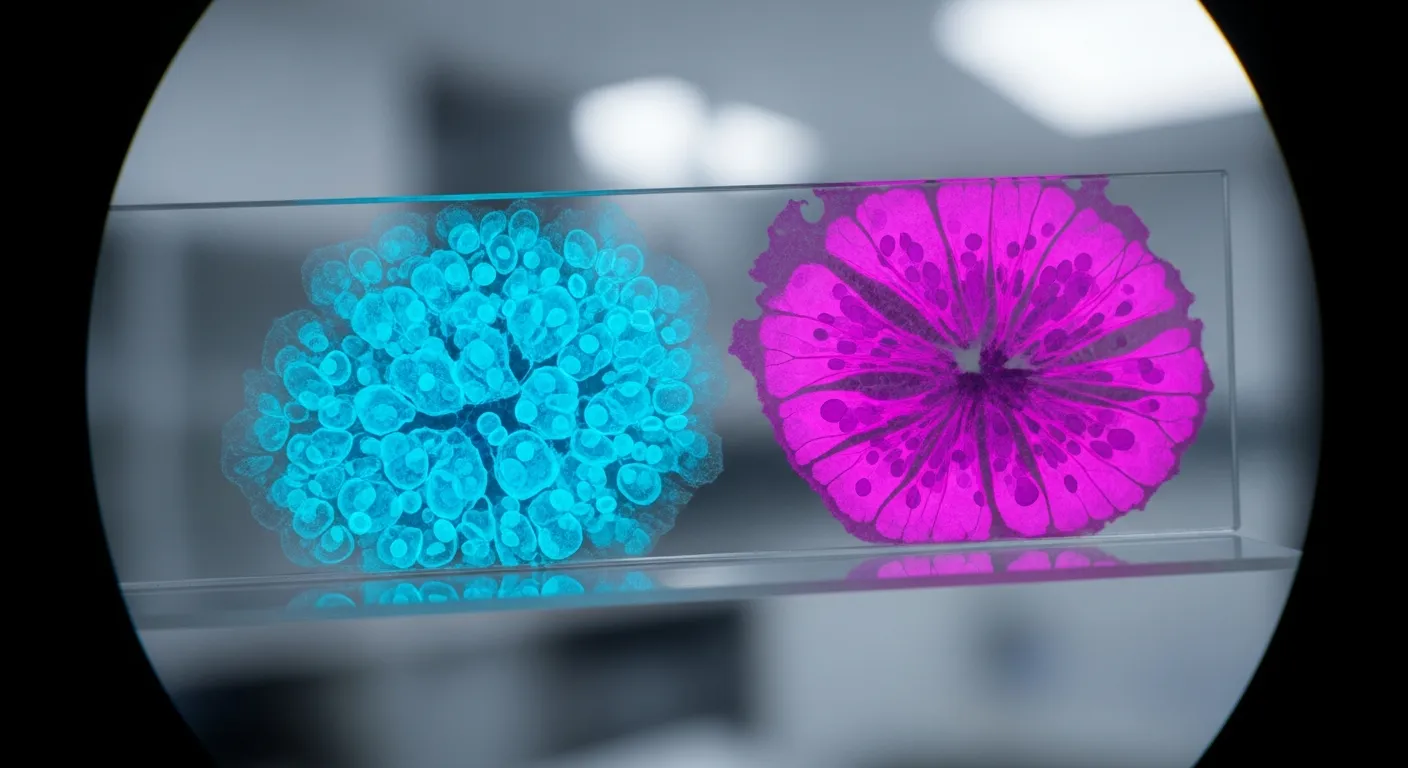
Le cellule staminali pluripotenti indotte sono qualcosa di completamente diverso. Sono cellule adulte (tipicamente della pelle o del sangue) che sono state riprogrammate a uno stato simile a quello embrionale da cui possono diventare qualsiasi cellula del corpo. Le iPSC sono probabilmente la piattaforma di ricerca più entusiasmante in medicina, con le prime sperimentazioni cliniche sull'uomo che accelerano drasticamente nel 2025-2026 — ma in gran parte non sono ancora disponibili come terapia che i pazienti possono ricevere di routine. Questa guida spiega perché, e cosa è effettivamente realistico per te nel 2026.
Cellule Staminali Mesenchimali (MSC): Il Cavallo di Battaglia Clinico
Le MSC sono cellule staminali adulte 'multipotenti' trovate nel midollo osseo, nel tessuto adiposo, nel cordone ombelicale e in diversi altri tessuti. Sono state studiate clinicamente per oltre 25 anni.
Tipo di cellula
Cellule staminali adulte multipotenti. Possono differenziarsi in osso, cartilagine, grasso e diverse linee di tessuto connettivo — ma non in tutti i tipi di cellule del corpo.
Fonti
Gelatina di Wharton (cordone ombelicale), aspirato di midollo osseo, tessuto adiposo, polpa dentale. Tutte ben consolidate e producibili in conformità GMP.
Profilo di Sicurezza
Decenni di dati su migliaia di studi. Generalmente bassa incidenza di eventi avversi gravi. Immuno-privilegiate, quindi l'uso allogenico è sicuro senza abbinamento HLA.
Meccanismo Principale
Segnalazione antinfiammatoria e immunomodulatoria, secrezione di fattori di crescita ed esosomi, supporto alla riparazione locale dei tessuti. Meno sostituzione cellulare diretta di quanto si credesse in passato.
Tempo di Trattamento
Dalla decisione all'infusione: tipicamente 2-6 settimane se le cellule richiedono espansione, o lo stesso giorno per certi protocolli autologhi. Pienamente disponibile clinicamente.
Range di Costo (2026)
Da $5.500 a $40.000 a seconda della fonte cellulare, della dose, del paese e della condizione. Ampiamente offerto in tutto il mondo.
Cellule Staminali Pluripotenti Indotte (iPSC): La Frontiera della Ricerca
Le iPSC sono state create da Shinya Yamanaka nel 2006 (Premio Nobel 2012) riprogrammando cellule adulte a uno stato pluripotente. Possono diventare qualsiasi tipo di cellula del corpo, ma il percorso dalla ricerca alla terapia di routine è complesso.
Tipo di cellula
Pluripotente. Può differenziarsi in qualsiasi dei 200+ tipi di cellule del corpo: neuroni, cardiomiociti, cellule beta pancreatiche, epitelio pigmentato retinico, qualsiasi cosa.
Fonte
Cellule adulte del paziente (biopsia cutanea, prelievo di sangue) riprogrammate in laboratorio usando fattori di trascrizione (fattori di Yamanaka: Oct4, Sox2, Klf4, c-Myc) o equivalenti di RNA.
Preoccupazione per la Sicurezza
La pluripotenza stessa comporta il rischio teorico di formazione di teratomi se rimangono cellule indifferenziate. Per questo motivo, ogni prodotto derivato da iPSC deve essere rigorosamente differenziato e purificato prima del trapianto.
Uso Principale
Sostituzione cellulare: creazione di nuovi neuroni per il Parkinson, nuove cellule beta per il diabete di tipo 1, nuove cellule retiniche per la degenerazione maculare, nuovi cardiomiociti per l'insufficienza cardiaca.
Tempo di Trattamento
Dalla decisione alla terapia nel 2026: non ancora routinariamente possibile al di fuori di specifici studi clinici. La produzione personalizzata di iPSC richiede 6-12 mesi e costa centinaia di migliaia di dollari.
Stato Clinico
Molti promettenti studi di Fase 1 e Fase 2 nel 2025-2026, in particolare per il Parkinson, il diabete di tipo 1, la degenerazione maculare legata all'età e l'insufficienza cardiaca. Le approvazioni sono previste per la fine di questo decennio.
Come Funziona Realmente Ogni Tipo nel Corpo
Le MSC agiscono principalmente tramite segnalazione. Quando un MSC viene infuso in un paziente, non si radica permanentemente né ricostruisce il tessuto danneggiato da zero. Invece, viaggia attraverso il corpo, rileva i siti di infiammazione e rilascia un cocktail di citochine, fattori di crescita e vescicole extracellulari (esosomi) che calmano l'infiammazione, favoriscono la riparazione cellulare locale e migliorano il microambiente tissutale. L'MSC stesso viene generalmente eliminato dal corpo entro giorni o settimane. Il suo effetto terapeutico persiste molto più a lungo grazie ai cambiamenti che innesca nel tessuto circostante.
Le terapie derivate da iPSC funzionano in modo molto diverso. Le cellule staminali pluripotenti stesse non vengono mai iniettate in un paziente (sarebbe pericoloso a causa del rischio di teratoma). Invece, in laboratorio, le iPSC vengono differenziate nel tipo specifico di cellula matura di cui il paziente ha bisogno — per esempio, neuroni dopaminergici per il Parkinson, o cellule beta pancreatiche per il diabete di tipo 1 — e solo quelle cellule mature vengono trapiantate. L'obiettivo è la sostituzione cellulare diretta: rimettere le cellule perse in condizione di funzionare.
Questa differenza fondamentale spiega perché la terapia con MSC è ampiamente applicabile a condizioni infiammatorie e degenerative, mentre la terapia con iPSC è mirata a specifiche malattie con perdita cellulare. Non sono concorrenti, ma strumenti diversi per problemi diversi.
Confronto diretto testa a testa
Cellule Staminali Mesenchimali (MSC)
- Cellule staminali adulte multipotenti
- Meccanismo: segnalazione e immunomodulazione
- Ampiamente disponibili clinicamente in tutto il mondo oggi
- Adatte per infiammazioni, malattie autoimmuni, degenerazione
- Profilo di sicurezza ampiamente documentato
- Costo: $5.500 - $40.000 per protocollo
- Tempo di preparazione del trattamento: settimane
Cellule Staminali Pluripotenti Indotte (iPSC)
- Pluripotenti — possono diventare qualsiasi tipo di cellula
- Meccanismo: sostituzione cellulare diretta
- Ampiamente in fase investigativa nel 2026 (studi clinici)
- Adatte per malattie con perdita cellulare specifica
- Il rischio di teratoma richiede un'attenta differenziazione
- Costo: $200.000+ per prodotti autologhi negli studi
- Tempo di preparazione del trattamento: 6-12 mesi per prodotti personalizzati
Prontezza Clinica nel 2026: Un Onesto Controllo della Realtà
Cosa si può effettivamente ricevere come paziente rispetto a ciò che si potrebbe aver letto nelle notizie.
Cosa porteranno i prossimi 5 anni
L'orizzonte 2026-2030 per la terapia con iPSC è davvero entusiasmante. Entro la fine del decennio, si prevede che il settore vedrà le prime approvazioni normative di prodotti cellulari derivati da iPSC, quasi certamente a partire da prodotti allogenici 'off-the-shelf' per l'oftalmologia e possibilmente per il diabete di tipo 1. Il costo della produzione personalizzata di iPSC sta inoltre diminuendo rapidamente man mano che l'automazione e la biologia sintetica maturano.
Tuttavia, lo stesso periodo vedrà un'espansione parallela e probabilmente maggiore della terapia con MSC. Prodotti cellulari meglio caratterizzati, protocolli di dosaggio specifici per condizione, terapie combinate con esosomi e piccole molecole, e quadri normativi più chiari spingeranno la terapia con MSC a un uso clinico molto più ampio. Le due tecnologie probabilmente convergeranno clinicamente: le iPSC per la sostituzione delle cellule perse, le MSC per la modulazione dell'ambiente tissutale circostante, spesso utilizzate insieme.
Per i pazienti oggi: concentratevi su ciò che è effettivamente disponibile e clinicamente validato. La terapia con MSC è una terapia matura e accessibile che può fornire un beneficio reale per molte indicazioni in questo momento. La terapia con iPSC, per quasi tutti i pazienti nel 2026, significa chiedere al proprio medico informazioni sull'arruolamento in studi clinici per specifiche condizioni idonee anziché una terapia commerciale.
Domande Frequenti
Coordinamento Internazionale dei Pazienti
StemCell Longevita opera come piattaforma di coordinamento internazionale dei pazienti. Mettiamo in contatto i pazienti con istituzioni mediche autorizzate che offrono applicazioni di medicina rigenerativa dopo valutazione medica e nel rispetto dei quadri normativi applicabili. Tutte le decisioni e le procedure mediche sono condotte esclusivamente da professionisti sanitari autorizzati. StemCell Longevita non fornisce direttamente trattamenti medici.
Dichiarazione di non responsabilità medica
Le informazioni fornite su questo sito web sono a scopo puramente educativo e informativo e non intendono costituire consulenza medica. La terapia con cellule staminali è un campo in evoluzione e i risultati possono variare da individuo a individuo. I trattamenti descritti su questo sito non sono stati completamente valutati o approvati dalla FDA o da organismi di regolamentazione equivalenti in tutte le giurisdizioni.
La FDA non ha approvato le applicazioni di cellule staminali per la maggior parte delle condizioni elencate su questo sito web. I risultati menzionati si basano su osservazioni cliniche, ricerche pubblicate e risultati riportati dai pazienti. I risultati individuali possono variare e nessun esito specifico è garantito per alcun singolo paziente.
L'inclusione di pubblicazioni scientifiche su questo sito non implica approvazione normativa o risultati clinici garantiti. Alcune applicazioni possono essere considerate sperimentali a seconda dell'indicazione e della giurisdizione.
Consultare sempre un professionista sanitario qualificato prima di prendere qualsiasi decisione medica. Non ignorare i consigli medici professionali o ritardare la ricerca di un trattamento basandosi sulle informazioni trovate su questo sito web.
Domande cliniche correlate
Dove si colloca questa pagina nel quadro generale.