iPSC vs MSC Therapy in 2026: What Patients Need to Know
- Written by
- StemCell Longevita Editorial Team
- Medically reviewed by
- Prof. Dr. Erdal Karaöz TeamProfessor of Histology and Embryology · Medical Director, Center for Regenerative Medicine
- Last reviewed
- Next scheduled review
How we evaluate evidence · Conflict-of-interest disclosure · Editorial standards
Background explainer. Written for readers researching a condition or treatment before deciding anything.
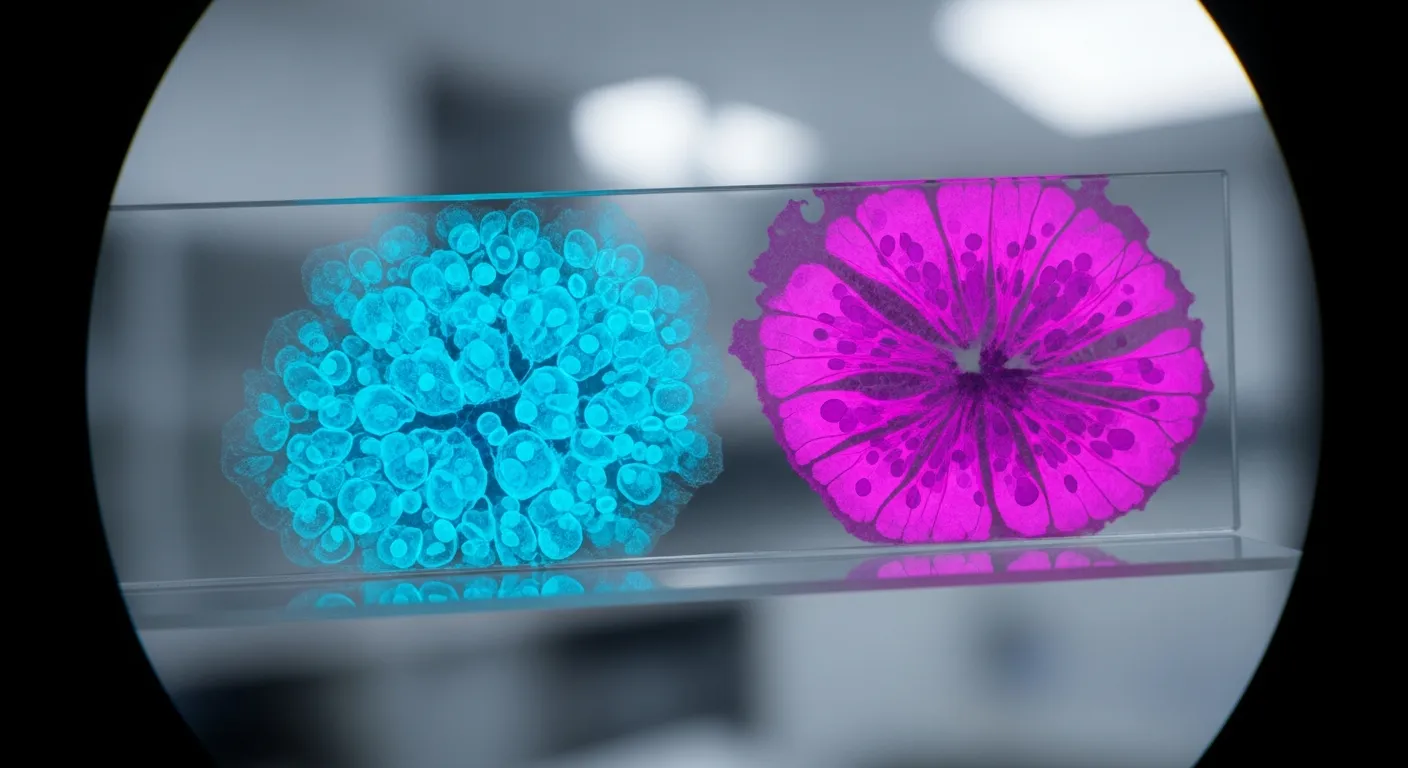
Induced pluripotent stem cells (iPSC) generate tremendous research excitement, but mesenchymal stem cells (MSC) are what patients actually receive in clinics today. Here is the honest, evidence-based comparison.
Two Stem Cell Categories, Two Different Realities
Of all the questions patients ask about regenerative medicine in 2026, none generates more confusion than the difference between mesenchymal stem cells (MSCs) and induced pluripotent stem cells (iPSCs). The two are mentioned together in news headlines, longevity podcasts, and clinic marketing — but they are profoundly different technologies at completely different stages of clinical maturity.
Mesenchymal stem cells are an established therapy. Hundreds of thousands of patients have received MSC infusions over the past two decades. Treatments are commercially available in dozens of countries, the manufacturing standards are mature, and the safety profile is well documented. What MSCs do not do is fundamentally regrow lost tissue from scratch. They modulate inflammation, support repair, and signal — they are powerful biological signalling cells, not building blocks.
Induced pluripotent stem cells are something else entirely. They are adult cells (typically skin or blood) that have been reprogrammed back to an embryonic-like state from which they can become any cell in the body. iPSCs are arguably the most exciting research platform in medicine, with first-in-human clinical trials accelerating dramatically in 2025-2026 — but they are largely not yet available as a therapy patients can routinely receive. This guide explains why, and what is actually realistic for you in 2026.
Mesenchymal Stem Cells (MSCs): The Clinical Workhorse
MSCs are 'multipotent' adult stem cells found in bone marrow, adipose tissue, umbilical cord, and several other tissues. They have been studied clinically for over 25 years.
Cell Type
Multipotent adult stem cells. Can differentiate into bone, cartilage, fat, and several connective tissue lineages — but not into all body cell types.
Sources
Wharton's jelly (umbilical cord), bone marrow aspirate, adipose tissue, dental pulp. All are well-established and GMP-manufacturable.
Safety Profile
Decades of data across thousands of trials. Generally low incidence of serious adverse events. Immune-privileged, so allogeneic use is safe without HLA matching.
Main Mechanism
Anti-inflammatory and immunomodulatory signalling, secretion of growth factors and exosomes, support of local tissue repair. Less direct cell replacement than once believed.
Treatment Time
From decision to infusion: typically 2-6 weeks if cells require expansion, or same day for certain autologous protocols. Fully clinically available.
Cost Range (2026)
$5,500 to $40,000 depending on cell source, dose, country, and condition. Extensively offered worldwide.
Induced Pluripotent Stem Cells (iPSCs): The Research Frontier
iPSCs were created by Shinya Yamanaka in 2006 (Nobel Prize 2012) by reprogramming adult cells back to a pluripotent state. They can become any cell type in the body — but the path from research to routine therapy is complex.
Cell Type
Pluripotent. Can differentiate into any of the 200+ cell types in the body — neurons, cardiomyocytes, pancreatic beta cells, retinal pigment epithelium, anything.
Source
Patient's own adult cells (skin biopsy, blood draw) reprogrammed in the lab using transcription factors (Yamanaka factors: Oct4, Sox2, Klf4, c-Myc) or RNA equivalents.
Safety Concern
Pluripotency itself carries the theoretical risk of teratoma formation if any undifferentiated cells remain. This is why every iPSC-derived product must be rigorously differentiated and purified before transplant.
Main Use
Cell replacement: making new neurons for Parkinson's, new beta cells for type 1 diabetes, new retinal cells for macular degeneration, new cardiomyocytes for heart failure.
Treatment Time
From decision to therapy in 2026: not yet routinely possible outside of specific clinical trials. Personalised iPSC manufacturing takes 6-12 months and costs hundreds of thousands of dollars.
Clinical Status
Multiple promising Phase 1 and Phase 2 trials in 2025-2026, particularly for Parkinson's, type 1 diabetes, age-related macular degeneration, and heart failure. Approvals expected late this decade.
How Each Type Actually Works in the Body
MSCs work primarily by signalling. When an MSC is infused into a patient, it does not engraft permanently or rebuild damaged tissue from scratch. Instead, it travels through the body, senses sites of inflammation, and releases a cocktail of cytokines, growth factors, and extracellular vesicles (exosomes) that calm inflammation, encourage local cell repair, and improve the tissue micro-environment. The MSC itself is generally cleared from the body within days to weeks. Its therapeutic effect persists much longer because of the changes it triggers in the surrounding tissue.
iPSC-derived therapies work very differently. The pluripotent stem cells themselves are never injected into a patient (that would be dangerous due to teratoma risk). Instead, in the laboratory, iPSCs are differentiated into the specific mature cell type the patient needs — for example, dopaminergic neurons for Parkinson's, or pancreatic beta cells for type 1 diabetes — and only those mature cells are transplanted. The goal is direct cell replacement: putting back the lost cells in working condition.
This fundamental difference explains why MSC therapy is broadly applicable to inflammatory and degenerative conditions, while iPSC therapy is targeted at specific diseases of cell loss. They are not competitors — they are different tools for different problems.
Direct Head-to-Head Comparison
Mesenchymal Stem Cells (MSC)
- Multipotent adult stem cells
- Mechanism: signalling and immunomodulation
- Broadly clinically available worldwide today
- Suitable for inflammation, autoimmune, degeneration
- Safety profile extensively documented
- Cost: $5,500 - $40,000 per protocol
- Treatment lead time: weeks
Induced Pluripotent Stem Cells (iPSC)
- Pluripotent — can become any cell type
- Mechanism: direct cell replacement
- Largely investigational in 2026 (clinical trials)
- Suitable for diseases of specific cell loss
- Teratoma risk requires careful differentiation
- Cost: $200,000+ for autologous products in trials
- Treatment lead time: 6-12 months for personalised products
Clinical Readiness in 2026: Honest Reality Check
What you can actually receive as a patient versus what you may have read about in news headlines.
What the Next 5 Years Will Bring
The 2026-2030 horizon for iPSC therapy is genuinely exciting. By the end of the decade, the field is expected to see the first regulatory approvals of iPSC-derived cell products, almost certainly starting with allogeneic 'off-the-shelf' products for ophthalmology and possibly type 1 diabetes. The cost of personalised iPSC manufacturing is also declining rapidly as automation and synthetic biology mature.
However, the same period will see a parallel and probably larger expansion of MSC therapy. Better-characterised cell products, condition-specific dosing protocols, combination therapies with exosomes and small molecules, and clearer regulatory frameworks will all push MSC therapy into much wider clinical use. The two technologies will likely converge clinically: iPSCs for replacement of lost cells, MSCs for modulation of the surrounding tissue environment, often used together.
For patients today: focus on what is actually available and clinically validated. MSC therapy is a mature, accessible therapy that can deliver real benefit for many indications right now. iPSC therapy, for almost all patients in 2026, means asking your physician about clinical trial enrolment for specific eligible conditions rather than commercial therapy.
Frequently Asked Questions
International Patient Coordination
StemCell Longevita operates as an international patient coordination platform. We connect patients with licensed medical institutions that provide regenerative medicine applications following physician evaluation and applicable regulatory frameworks. All medical decisions and procedures are conducted exclusively by authorized healthcare professionals. StemCell Longevita does not directly provide medical treatment.
Medical Disclaimer
The information provided on this website is for educational and informational purposes only and is not intended as medical advice. Stem cell therapy is an evolving field, and outcomes may vary by individual. The treatments described on this site have not been fully evaluated or approved by the FDA or equivalent regulatory bodies in all jurisdictions.
The FDA has not approved stem cell applications for most conditions listed on this website. Results mentioned are based on clinical observations, published research, and patient-reported outcomes. Individual results may vary and no specific outcomes are assured for any individual patient.
Inclusion of scientific publications on this website does not imply regulatory approval, and does not imply any clinical outcome for an individual patient. Certain applications may be considered investigational depending on indication and jurisdiction.
Always consult with a qualified healthcare professional before making any medical decisions. Do not disregard professional medical advice or delay seeking treatment based on information found on this website.
Related clinical questions
Where this page sits in the wider picture.