Infusione Intravenosa di Cellule Staminali vs Iniezione Mirata: Qual è la Scelta Giusta per Te?
- Scritto da
- Team editoriale StemCell Longevita
- Revisione medica di
- Team del Prof. Dr. Erdal KaraözProfessore di Istologia ed Embriologia · Direttore medico, Centro di Medicina Rigenerativa
- Ultima revisione
- Prossima revisione programmata
Come valutiamo le prove · Dichiarazione di conflitto di interessi · Standard editoriali
Guida di approfondimento. Per chi si informa prima di decidere.
La via di somministrazione è importante quanto il prodotto cellulare. Una guida alla somministrazione di MSC per via endovenosa, intra-articolare, intratecale e intranasale — e come scegliere quella giusta per la vostra condizione.
Cinque Principali Vie di Somministrazione per la Terapia con Cellule Staminali
Quando i pazienti cercano informazioni sulla terapia con cellule staminali, la conversazione di solito si concentra sul tipo di cellule — autologhe versus allogeniche, gelatina di Wharton versus midollo osseo. La via di somministrazione riceve molta meno attenzione, ma è altrettanto importante. Lo stesso prodotto cellulare somministrato per via endovenosa, in un'articolazione, nel liquido spinale o nella cavità nasale raggiunge tessuti diversi, in diverse concentrazioni, e produce diversi effetti terapeutici.
Nella pratica clinica del 2026, vengono utilizzate cinque vie di somministrazione principali: infusione endovenosa (IV) per effetto sistemico, iniezione intra-articolare in un'articolazione specifica, iniezione intratecale nel liquido spinale per il targeting del sistema nervoso, somministrazione intranasale per accedere al cervello tramite la via olfattiva, e iniezione intramuscolare o locale nei tessuti molli per condizioni di tendini, legamenti o muscoli. Alcuni protocolli utilizzano una sola via; molti dei protocolli più efficaci ne combinano due o più.
Scegliere la via giusta non è una questione di preferenza — è una questione di farmacologia. Dove deve agire il prodotto cellulare? Come ci arriva? Quale percentuale della dose raggiunge effettivamente il tessuto bersaglio e quale percentuale viene filtrata prima di arrivarci? Questa guida illustra i compromessi in modo che possiate avere una conversazione informata con il vostro medico curante.
Infusione Endovenosa (IV): Somministrazione Sistemica a Tutto il Corpo
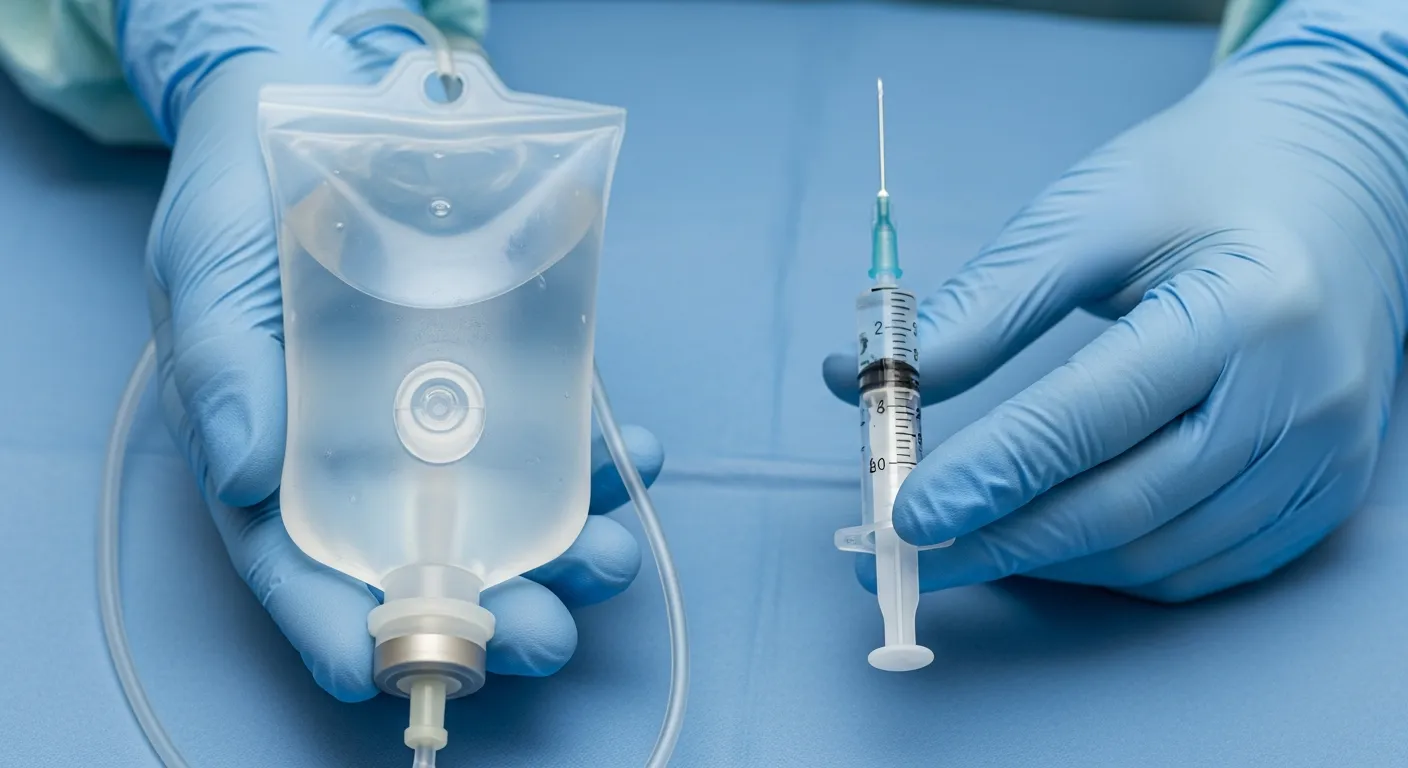
L'infusione endovenosa è la via di somministrazione di cellule staminali più comune a livello mondiale. Le cellule vengono infuse in una vena periferica e circolano attraverso il corpo tramite il flusso sanguigno.
Come Funziona
Le cellule entrano nella circolazione periferica, vengono filtrate prima attraverso i polmoni (dove la maggior parte si deposita inizialmente), quindi si ridistribuiscono nel corso di ore e giorni verso i siti di infiammazione in tutto il corpo.
Ideale per
Condizioni sistemiche: malattie autoimmuni, infiammazione cronica, Long COVID multi-sistemico, anti-invecchiamento, sindromi dolorose generalizzate, artrite poliarticolare.
Meccanismo
Principalmente segnalazione paracrina. Le cellule infuse rilasciano citochine antinfiammatorie e fattori di crescita in tutto il corpo, anche se la maggior parte delle cellule stesse viene eliminata entro giorni o settimane.
Durata della procedura
60-90 minuti per infusione in regime ambulatoriale. Nessuna anestesia, nessuna incisione, nessuna ospedalizzazione richiesta per l'infusione stessa.
La realtà del filtraggio polmonare
Si stima che il 60-80% delle MSC somministrate per via endovenosa si depositi inizialmente nella microvascolarizzazione polmonare. Questo non è necessariamente uno spreco — molti effetti terapeutici derivano dal segnale delle cellule da questa posizione.
Limitazioni
Una concentrazione cellulare limitata raggiunge qualsiasi bersaglio localizzato specifico. Per una singola articolazione gravemente danneggiata, l'IV da sola fornisce a quell'articolazione una dose molto inferiore rispetto a un'iniezione intra-articolare mirata.
Iniezione mirata: rilascio locale concentrato
L'iniezione mirata rilascia le cellule direttamente nel tessuto o nel compartimento dove sono più necessarie, raggiungendo concentrazioni locali molto più elevate rispetto alla somministrazione sistemica.
Intra-articolare (Articolazione)
Iniezione diretta nella capsula articolare sotto guida ecografica. Standard per condizioni di ginocchio, spalla, anca, caviglia. Raggiunge un'elevata concentrazione cellulare locale nell'ambiente sinoviale dell'articolazione.
Intratecale (Liquido spinale)
Iniezione nel liquido cerebrospinale tramite puntura lombare. Consente l'accesso diretto al sistema nervoso centrale. Utilizzato per SM, SLA, lesioni del midollo spinale, gravi condizioni neurologiche.
Intramuscolare
Iniezione locale in muscoli specifici o giunzioni tendineo-muscolari. Utilizzato per lesioni sportive, tendinopatie focali e alcune condizioni muscolari post-ictus o post-traumatiche.
Intranasale
Cellule o esosomi somministrati nella cavità nasale, fornendo accesso parziale al cervello tramite le vie olfattive e trigeminali. Utilizzato come aggiunta nell'autismo, Parkinson, invecchiamento cognitivo.
Tessuti molli locali
Iniezione diretta in tessuti specifici danneggiati sotto guida di imaging — ad es. in un tendine lacerato, tessuto cicatriziale o una ferita che non guarisce. Massima concentrazione locale al bersaglio preciso.
Intracoronarica / Catetere
Somministrazione cardiologica specializzata tramite cateterismo cardiaco direttamente nelle arterie coronariche. Utilizzato in protocolli selezionati di rigenerazione cardiovascolare presso centri specialistici.
Confronto diretto testa a testa
Infusione Endovenosa (IV)
- Effetto sistemico su più organi
- Ideale per malattie infiammatorie, autoimmuni e multisistemiche
- Semplice procedura ambulatoriale, non richiede imaging
- Può essere ripetuta frequentemente con minimo rischio procedurale
- Minore concentrazione locale in qualsiasi singolo bersaglio
- Ideale come base di un protocollo multisistemico
Iniezione mirata
- Massima concentrazione locale dove è necessaria
- Ideale per condizioni localizzate di articolazioni, colonna vertebrale o tessuti
- Richiede guida per immagini (ecografia, fluoroscopia)
- Maggiore complessità procedurale e considerazioni sul recupero
- Effetto sistemico limitato oltre il tessuto bersaglio
- Spesso combinata con IV per protocolli completi
Quale Via per Quale Condizione?
Indicazioni basate sulla pratica clinica attuale del 2026. Il tuo protocollo individuale dovrebbe essere personalizzato per il tuo caso specifico.
Perché i Protocolli Combinati Spesso Vincono
I protocolli di cellule staminali più efficaci nel 2026 combinano frequentemente più vie di somministrazione piuttosto che affidarsi a un singolo metodo. La ragione è biologica: il corpo è un sistema, e la maggior parte delle condizioni croniche coinvolgono sia una componente sistemica (infiammazione cronica, disregolazione immunitaria) sia una componente locale (un tessuto specifico danneggiato). Trattare solo una metà del quadro può fornire solo metà del risultato.
Un tipico protocollo combinato per l'osteoartrite grave del ginocchio potrebbe includere un'iniezione intra-articolare mirata che rilascia 30-50 milioni di cellule direttamente nell'articolazione, combinata con un'infusione endovenosa di 100-150 milioni di cellule per un effetto antinfiammatorio sistemico e per affrontare l'infiammazione articolare e dei tessuti molli correlata in altre parti del corpo. Le due vie sono complementari: l'iniezione mirata affronta il tessuto più gravemente colpito, l'infusione endovenosa calma l'ambiente infiammatorio più ampio che altrimenti ostacolerebbe la guarigione locale.
Per le condizioni neurologiche complesse, un protocollo a tripla via — EV per l'infiammazione sistemica, intratecale per l'accesso al SNC, e talvolta intranasale per l'accesso cerebrale tramite la via olfattiva — sta diventando sempre più standard nei centri esperti. Il costo è più alto, il protocollo è più complesso, ma i dati sui risultati supportano l'intervento aggiuntivo per i casi gravi e resistenti al trattamento.
Domande Frequenti
Coordinamento Internazionale dei Pazienti
StemCell Longevita opera come piattaforma di coordinamento internazionale dei pazienti. Mettiamo in contatto i pazienti con istituzioni mediche autorizzate che offrono applicazioni di medicina rigenerativa dopo valutazione medica e nel rispetto dei quadri normativi applicabili. Tutte le decisioni e le procedure mediche sono condotte esclusivamente da professionisti sanitari autorizzati. StemCell Longevita non fornisce direttamente trattamenti medici.
Dichiarazione di non responsabilità medica
Le informazioni fornite su questo sito web sono a scopo puramente educativo e informativo e non intendono costituire consulenza medica. La terapia con cellule staminali è un campo in evoluzione e i risultati possono variare da individuo a individuo. I trattamenti descritti su questo sito non sono stati completamente valutati o approvati dalla FDA o da organismi di regolamentazione equivalenti in tutte le giurisdizioni.
La FDA non ha approvato le applicazioni di cellule staminali per la maggior parte delle condizioni elencate su questo sito web. I risultati menzionati si basano su osservazioni cliniche, ricerche pubblicate e risultati riportati dai pazienti. I risultati individuali possono variare e nessun esito specifico è garantito per alcun singolo paziente.
L'inclusione di pubblicazioni scientifiche su questo sito non implica approvazione normativa o risultati clinici garantiti. Alcune applicazioni possono essere considerate sperimentali a seconda dell'indicazione e della giurisdizione.
Consultare sempre un professionista sanitario qualificato prima di prendere qualsiasi decisione medica. Non ignorare i consigli medici professionali o ritardare la ricerca di un trattamento basandosi sulle informazioni trovate su questo sito web.
Domande cliniche correlate
Dove si colloca questa pagina nel quadro generale.