
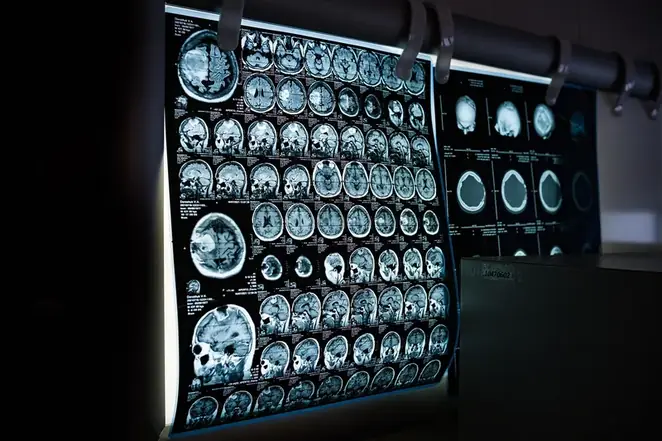
Regenerative Approach for Headaches & Migraines
- Written by
- StemCell Longevita Editorial Team
- Medically reviewed by
- Prof. Dr. Erdal Karaöz TeamProfessor of Histology and Embryology · Medical Director, Center for Regenerative Medicine
- Last reviewed
- Next scheduled review
How we evaluate evidence · Conflict-of-interest disclosure · Editorial standards
Advanced mesenchymal regenerative medicine approach offers new hope for chronic headache and migraine sufferers. Target the root cause of neurological pain through regenerative medicine and experience lasting relief.
Can stem cell therapy help chronic headaches or migraines?
Mesenchymal stem cell and exosome therapies are not approved treatments for migraine or chronic headache. Trial evidence specific to headache disorders is essentially absent. Established migraine care — acute triptans, gepants, CGRP-targeting preventives, botulinum toxin in chronic migraine, and non-drug strategies — has strong evidence and should remain the mainstay of management.
Key facts
- Approval status
- Not approved for headache or migraine
- Evidence
- No controlled MSC/exosome headache trials to date
- Standard care
- Triptans, gepants, CGRP preventives, botulinum toxin, non-drug care
What we know
- CGRP monoclonal antibodies and gepants have randomised evidence and change modern migraine care.
What remains uncertain
- Whether any regenerative modality has a plausible mechanism against primary headache disorders.
Medically reviewed questions
This summary is general medical information, not medical advice, and not a promise of benefit. Figures are quoted ranges, confirmed in writing after a medical review.
Medically reviewed by: Prof. Dr. Erdal Karaöz · Last updated: · Editorial and evidence policy
Evidence at a glance — Chronic headache and migraine
A plain summary of what the published research does and does not show for this condition. It is written to the same standard whether the evidence is strong or weak.
- Human studies available?
- Limited
- Randomised trials?
- None identified
- Main outcomes studied
- Headache days per month
- Pain intensity
- Medication use
- Long-term evidence
- Very limited
- Regulatory approval for this indication
- United States (FDA): No FDA-approved mesenchymal stem cell product for this indication. The FDA has issued consumer warnings about unapproved stem cell products.
- European Union (EMA): No EMA-authorised mesenchymal stem cell medicine for this indication.
- United Kingdom (MHRA): No MHRA-authorised mesenchymal stem cell medicine for this indication.
- Türkiye (Ministry of Health): In Türkiye, cell therapies are delivered only inside Ministry of Health–licensed centres under the regenerative medicine / advanced therapy regulations, as clinical research or individual (exceptional) use — not as an approved routine treatment for this indication.
- Role at our centre
- Research context — considered only where standard care is exhausted or unsuitable, and never as a replacement for it
What kind of evidence exists
- Mechanism (laboratory): Documented
- Animal / preclinical: Documented
- Early human (phase 1/2, uncontrolled): Documented
- Controlled human (randomised or sham-controlled): Not established
- Regulatory approval: Not established
Sources
- Systematic reviews and meta-analyses — Chronic headache and migraine — PubMed
- Randomised controlled trials — Chronic headache and migraine — PubMed
- Registered MSC trials — Chronic headache and migraine — ClinicalTrials.gov
- FDA — Consumer alert on regenerative medicine therapies — U.S. Food and Drug Administration, 2024
- Advanced therapy medicinal products: overview — European Medicines Agency, 2025
- ISSCR Guidelines for Stem Cell Research and Clinical Translation — International Society for Stem Cell Research, 2021
- ISSCR Patient Handbook on Stem Cell Therapies — International Society for Stem Cell Research, 2020
Source links open filtered searches of PubMed and ClinicalTrials.gov plus regulator and professional-society pages, so you can read the current evidence yourself rather than a selected extract.
This summary is general information about the evidence base, not medical advice and not a promise of benefit. Whether any treatment is appropriate for you can only be decided after a medical review of your records.
Understanding Chronic Headaches and Migraines: A Regenerative Approach
Chronic headaches and migraines affect hundreds of millions of people worldwide, with migraines alone recognized by the World Health Organization as one of the most disabling conditions globally. For many sufferers, these debilitating episodes involve severe throbbing pain, nausea, sensitivity to light and sound, and visual disturbances known as aura. Traditional treatments often rely on pain medications, triptans, and preventive drugs that may lose effectiveness over time or carry significant side effects.
At StemCell Longevita, we offer an innovative regenerative approach using allogeneic mesenchymal stem cells (MSCs) derived from umbilical cord tissue. These stem cells possess powerful anti-inflammatory, immunomodulatory, and neuroprotective properties that target the underlying pathophysiology of chronic headaches and migraines rather than simply masking symptoms.
Research has identified neuroinflammation, trigeminal nerve sensitization, cortical spreading depression, and cerebrovascular dysfunction as key mechanisms driving migraine pathology. MSC therapy addresses these mechanisms through the release of bioactive molecules including neurotrophic factors, anti-inflammatory cytokines, and exosomes that modulate the neural environment and promote tissue repair.
Each patient's experience with chronic headaches is unique, influenced by genetic predisposition, environmental triggers, hormonal factors, and comorbid conditions. Our personalized treatment approach evaluates these individual factors to develop a targeted stem cell protocol designed to provide the greatest possible benefit for your specific condition.
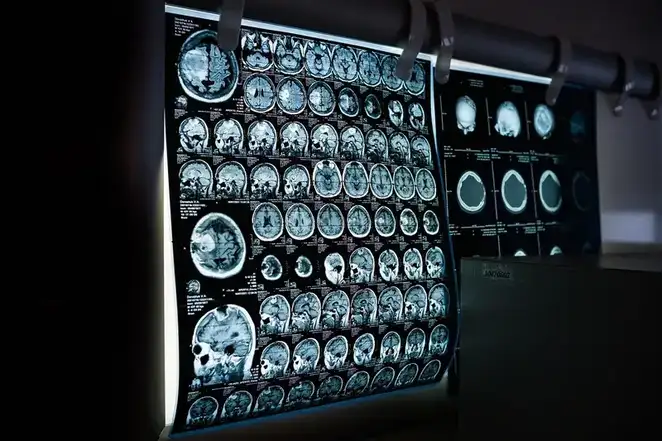
How Regenerative Approach Works for Headaches
Mesenchymal stem cells target the neurological and vascular mechanisms underlying chronic headaches and migraines through multiple regenerative pathways.
Reducing Neuroinflammation
Chronic migraines are strongly associated with persistent neuroinflammation in the trigeminal vascular system. When the trigeminal nerve becomes sensitized, it releases inflammatory neuropeptides such as calcitonin gene-related peptide (CGRP) and substance P, which trigger the cascade of pain, vasodilation, and neurogenic inflammation characteristic of migraine attacks. Mesenchymal stem cells counteract this process by secreting potent anti-inflammatory molecules including interleukin-10 (IL-10), transforming growth factor beta (TGF-beta), and prostaglandin E2 (PGE2). These bioactive factors suppress the overactive inflammatory response in the meninges and trigeminal pathway, reducing the sensitization that leads to recurrent attacks.
Restoring Cerebrovascular Function
Vascular dysfunction plays a significant role in migraine pathophysiology. Abnormal cerebral blood flow patterns, endothelial dysfunction, and impaired neurovascular coupling contribute to the aura phase and pain propagation during migraine episodes. MSCs promote angiogenesis and vascular repair by secreting vascular endothelial growth factor (VEGF), hepatocyte growth factor (HGF), and angiopoietin-1. These factors improve endothelial cell function, stabilize the blood-brain barrier, and restore normal cerebral blood flow regulation, addressing the vascular component that underlies many chronic headache disorders.
Neural Repair and Neuroprotection
Repeated migraine attacks can cause structural changes in the brain, including white matter lesions, cortical thinning, and alterations in pain processing networks. MSCs secrete neurotrophic factors such as brain-derived neurotrophic factor (BDNF), nerve growth factor (NGF), and glial cell line-derived neurotrophic factor (GDNF) that support neuronal survival, promote axonal regeneration, and facilitate synaptic plasticity. These neuroprotective effects support recovery from the central sensitization that transforms episodic headaches into chronic daily patterns, while also protecting neural tissue from further damage caused by recurrent inflammatory episodes.
Immune System Modulation
Emerging research highlights the role of immune dysregulation in chronic migraine, with elevated levels of pro-inflammatory cytokines, mast cell activation, and T-cell imbalances observed in migraine patients. MSCs possess remarkable immunomodulatory capabilities, shifting the immune response from a pro-inflammatory to an anti-inflammatory state. They suppress the activation of mast cells in the dura mater, reduce the release of histamine and other vasoactive mediators, and promote the generation of regulatory T-cells that help maintain immune homeostasis. This comprehensive immune modulation addresses one of the fundamental drivers of chronic headache disorders.
Why Choose Regenerative Approach for Headaches & Migraines?
Regenerative medicine approach offers a regenerative approach that targets the underlying causes of chronic headaches and migraines, providing relief beyond what conventional treatments can achieve.
Significant Pain Reduction
Mesenchymal stem cells target neuroinflammation at the source, providing meaningful relief from chronic headache and migraine pain.
Neurological Repair
MSCs release neurotrophic factors that support the repair and regeneration of damaged neural pathways involved in migraine signaling.
Reduced Frequency of Episodes
By addressing underlying triggers such as vascular dysfunction and neuroinflammation, regenerative approaches may reduce the frequency of migraine attacks.
Natural, Minimally Invasive Approach
Regenerative medicine approach harnesses your body's own regenerative mechanisms without the long-term side effects associated with conventional migraine medications.
Patient Experiences
Real outcomes from patients who chose regenerative medicine at StemCell Longevita Istanbul
"After 8 years of decline, I finally feel like I'm moving forward again. The team in Istanbul gave me something my neurologist at home couldn't — hope backed by real results."
"Within three months of treatment, our daughter started calling us by name. Her teachers noticed the difference before we even told them about the therapy."
How Stem Cells Work for Headaches and Migraines
MSC therapy for chronic headaches and migraines targets the neuroinflammation, trigeminovascular dysfunction, and central sensitization that drive recurrent episodes. Clinical studies suggest that MSCs can modulate the inflammatory cascades, restore cerebrovascular function, and repair the neural pathways involved in migraine pathophysiology.
Chronic migraines are strongly associated with persistent neuroinflammation in the trigeminal vascular system. MSCs secrete anti-inflammatory molecules including IL-10, TGF-B, and PGE2 that suppress the overactive inflammatory response in the meninges and trigeminal pathway, reducing the sensitization that triggers recurrent migraine attacks.
Vascular dysfunction and impaired neurovascular coupling play significant roles in migraine pathology. MSCs promote vascular repair by secreting VEGF, HGF, and angiopoietin-1, which improve endothelial function, stabilize the blood-brain barrier, and restore normal cerebral blood flow regulation, addressing the vascular component of chronic headache disorders.
Repeated migraine episodes can cause structural brain changes including white matter lesions and altered pain processing networks. MSCs secrete neurotrophic factors (BDNF, NGF, GDNF) that support neuronal survival, promote axonal repair, and facilitate synaptic plasticity, helping to support recovery from the central sensitization that transforms episodic headaches into chronic patterns.
Emerging research highlights immune dysregulation as a factor in chronic migraines, with mast cell activation and elevated pro-inflammatory cytokines observed in migraine patients. MSCs suppress mast cell activation in the dura mater, reduce histamine release, and promote regulatory T-cell development, addressing the immunological component of chronic headache disorders.
Who Is a Good Candidate?
Candidacy for headache and migraine the regenerative approach is determined through comprehensive neurological evaluation, including headache history, neurological examination, brain imaging, and assessment of previous responses. Our neurological specialists evaluate each patient individually.
Ideal Candidates
- Patients with chronic migraines (15 or more headache days per month) who have not achieved adequate relief from conventional preventive medications including beta-blockers, anticonvulsants, or CGRP inhibitors
- Individuals experiencing medication-overuse headaches who need to break the cycle of increasing analgesic use and seek a regenerative approach to address the underlying headache pathology
- Patients with chronic tension-type headaches or cluster headaches that significantly impact their quality of life and daily function despite conventional management
- Individuals with migraines accompanied by neuroinflammatory features, aura, or vascular symptoms who may be particularly responsive to the anti-inflammatory and vascular repair properties of MSC therapy
- Patients experiencing debilitating migraine-related symptoms including nausea, photophobia, and cognitive dysfunction who want to reduce both the frequency and severity of their episodes
May Not Be Suitable
- Patients with secondary headaches caused by structural brain lesions, intracranial tumors, or vascular malformations that require targeted neurosurgical or interventional management
- Individuals with headaches caused by medication side effects, hormonal contraceptives, or other reversible factors that should be addressed through medication adjustment first
- Patients with uncontrolled hypertension, active cerebrovascular disease, or other acute neurological conditions requiring medical stabilization before regenerative treatment
- Individuals who have not undergone proper diagnostic evaluation to rule out serious secondary causes of chronic headache before pursuing regenerative therapy
What Results Can You Expect?
Improvement following regenerative medicine approach for headaches and migraines develops progressively as neuroinflammation resolves and neural repair takes place. Results depend on the type of headache disorder, its chronicity, and individual neurological factors.
Initial Recovery
The IV infusion is well-tolerated with minimal downtime. Some patients may experience a temporary change in headache patterns as the MSCs begin their anti-inflammatory effects on the trigeminal vascular system.
Early Improvements
Many patients begin to notice a reduction in headache frequency and intensity. Migraine-associated symptoms such as nausea, light sensitivity, and aura episodes may show early improvement during this phase.
Progressive Results
More significant reductions in headache days per month are commonly observed. Patients often report improved quality of life, better sleep, and reduced need for acute headache medications as the neuroinflammatory mechanisms are progressively addressed.
Optimal Results
Peak therapeutic benefits are typically achieved, with many patients experiencing a substantial decrease in migraine frequency and severity. Restoration of normal cerebrovascular function and reduced neural sensitization contribute to sustained improvement.
Long-Term Benefits
Sustained reductions in headache frequency can persist for months following treatment. Many patients find they can significantly reduce their preventive medication use under neurological supervision. Follow-up treatments may be considered for maintained benefit.
Individual results vary. These timelines are based on clinical observations and are not guaranteed outcomes. Your specialist will provide personalized expectations during your consultation.
How Our Regenerative Medicine Application Works
All our regenerative medicine applications are evaluated and administered by specialists trained in the United States and Turkey. Not everyone qualifies - we carefully assess each patient to ensure risks don't outweigh benefits.
Step 01: Comprehensive Neurological Assessment
Our specialist reviews your medical history, headache diary, neurological examination findings, MRI or CT scans, and any relevant blood work to determine candidacy.
Step 02: Free Phone Consultation
Once approved, we present treatment options and pricing, with a complimentary phone consultation to discuss your specific headache or migraine pattern.
Step 03: Stem Cell Preparation
After deposit, we initiate stem cell preparation using high-quality umbilical cord-derived mesenchymal stem cells, which takes 5-10 days depending on demand and availability.
Step 04: Treatment Administration
Free transportation to our Istanbul clinic where our neurological specialist administers your personalized regenerative medicine application via intravenous infusion.
Step 05: Follow-Up Care
Our specialist contacts you according to our follow-up schedule to monitor headache frequency, severity, and overall neurological improvement.
Expert Care
Our Expert Doctors
Our team of neurological specialists and stem cell experts work together under skilled leadership, known for expertise and years of experience in regenerative neurology and stem cell research.
Headache and Migraine Conditions We Address
Regenerative medicine approach at StemCell Longevita can be beneficial for a wide range of headache disorders. Our specialists evaluate each patient individually to determine the most appropriate treatment protocol based on the specific type of headache condition and its underlying mechanisms.
Migraines are a complex neurological disorder involving abnormal brain activity, neurovascular coupling, and cortical excitability. The trigeminal vascular system, which innervates the meninges and cerebral blood vessels, plays a central role in migraine pain generation. When activated, trigeminovascular neurons release vasoactive neuropeptides that cause meningeal vasodilation, plasma protein extravasation, and ultimately the throbbing, often unilateral pain that defines a migraine attack.
Chronic tension-type headaches involve sustained contraction of pericranial muscles and central sensitization of pain pathways. Over time, the brain's pain modulation systems become dysfunctional, lowering the threshold for headache initiation and making episodes more frequent and resistant to treatment. Cluster headaches, often described as the most severe primary headache disorder, involve activation of the trigeminal-autonomic reflex and hypothalamic dysfunction.
What makes MSC therapy unique is its ability to address multiple pathological pathways simultaneously. Rather than targeting a single receptor or neurotransmitter system as conventional drugs do, stem cells exert broad therapeutic effects through paracrine signaling, releasing hundreds of bioactive molecules that collectively reduce inflammation, promote tissue repair, modulate immune responses, and restore normal neural function.
Explore Related Neurological Treatments
Discover our comprehensive range of stem cell therapies for neurological conditions.
Frequently Asked Questions
Watch Our Patient Stories & Expert Insights
See real results and hear from our medical team about stem cell therapy treatments, procedures, and patient outcomes.
All Regenerative Medicine Applications
Explore our comprehensive range of regenerative medicine applications for various conditions. Click any option to learn more.
Related Articles
Explore our in-depth research articles and guides on related treatments and therapies.
Cerebral Palsy & Regenerative Medicine: New Hope for Children
Discover how mesenchymal stem cell approaches are supporting the care landscape for cerebral palsy, offering potential motor function improvement and quality of life for children and families worldwide.
Read ArticleRegenerative Medicine Application for Autism Spectrum Disorder
Explore the promising potential of regenerative medicine in addressing autism spectrum disorder symptoms, including potential improvements in communication, social interaction, and behavioral patterns.
Read ArticleStroke Progress: How Stem Cells Support Neurological Wellness
Exploring the potential of regenerative medicine in stroke rehabilitation, including mechanisms of action and reported improvements in motor and cognitive function.
Read ArticleHow Much Does This Cost Worldwide?
Compare this regenerative medicine costs at StemCell Longevita versus clinics in other countries.
| Country | Typical Cost |
|---|---|
| United States | $25,000 – $50,000+ |
| United Kingdom | £20,000 – £35,000 |
| Germany | €20,000 – €40,000 |
| South Korea | $18,000 – $30,000 |
| StemCell Longevita (Turkey) | From £7,600 |
Prices based on market research of comparable stem cell clinics offering umbilical cord-derived MSC treatments (2025-2026). Actual prices vary by clinic, cell count, and condition.
Begin Your Journey Toward Lasting Headache Relief
Discover how regenerative approaches may offer lasting relief from chronic headaches and migraines. Our personalized approach addresses the root causes of your condition, providing a path toward improved quality of life without the long-term reliance on conventional medications.
Related clinical questions
Where this page sits in the wider picture.