Передовое лечение

Экзосомная терапия

Откройте для себя силу экзосомной терапии для регенерации тканей, омоложения и улучшения межклеточной коммуникации.

Understanding the regenerative approach for exosome therapy

Exosome therapy is a cell-free regenerative approach that may be discussed after a review of your diagnosis, treatment history, and goals. It is not suitable for every condition or patient.

This page is for information and does not replace advice from your usual specialist. Eligibility, delivery route, and follow-up are determined only after an individual medical review.

Who may be considered?

Exosome therapy is a cell-free, investigational regenerative approach that may be discussed for some patients after an individual medical review. Suitability is never assumed from a goal or diagnosis alone; it is confirmed case-by-case. It may be discussed with:

  • People considering a cell-free option who understand that outcomes cannot be guaranteed
  • Those exploring supportive approaches for a specific, measurable health goal rather than a broad promise of rejuvenation
  • Patients whose existing specialist care continues alongside — not instead of — any regenerative discussion
  • People able to share recent records so that safety, delivery route, and realistic expectations can be reviewed

Exosome therapy is not an established treatment for any specific disease. The consultation is where evidence limits, uncertainty, and whether an approach is appropriate for you are discussed honestly.

How the clinical pathway is planned

The recommended plan is individualised after records are reviewed; it is not a fixed, one-size-fits-all treatment package.

  1. 1

    Remote medical-record review

    The team reviews diagnosis, history, imaging or test results, current medication, and the goals you want to discuss.

  2. 2

    Clinical suitability assessment

    A clinician considers whether a regenerative approach can be discussed safely, including the delivery route and the need for any further testing.

  3. 3

    Written plan before travel

    If appropriate, you receive a written outline of the proposed approach, expected visit schedule, exclusions, and coordination arrangements.

  4. 4

    In-person confirmation and follow-up

    The plan is reconfirmed after an in-person assessment in Istanbul, with remote follow-up arranged after the visit.

What the approach is intended to address

Exosomes are signalling particles released by cells. Their potential role in regenerative medicine is an active area of research, and the practical implications for an individual patient should be discussed with the reviewing clinician.

Evidence and outcomes vary by diagnosis, disease stage, delivery approach, and the individual. The consultation is the place to discuss what is known, what remains uncertain, and whether an approach is appropriate for you.

Expected timeline and follow-up

There is no fixed timeline; responses to an investigational approach vary by individual and cannot be predicted. Rather than promising results, the pathway is built around review, defined goals, and monitoring:

  1. 1

    Records review and defined goals

    Before anything is proposed, the team reviews your diagnosis, history, and current care, and helps translate broad hopes into specific, measurable goals that can actually be followed.

  2. 2

    Baseline measures agreed

    Relevant baseline measures are agreed so that any change — positive, negative, or none — can be assessed objectively rather than assumed.

  3. 3

    Administration and monitoring

    If an approach is considered appropriate, delivery route and monitoring are confirmed in person in Istanbul. There is no guaranteed onset or magnitude of effect.

  4. 4

    Structured follow-up review

    Progress is reviewed against the agreed baseline measures, and next steps are discussed alongside your usual specialist. Repeat discussion is considered only where a clear, monitored rationale exists.

When treatment may not be appropriate

While MSC therapy is safe for most patients, certain conditions may be contraindications. Treatment is not suitable in the following situations:

  • Active cancer or ongoing chemotherapy/radiation treatment
  • Active systemic infections requiring IV antibiotics
  • Severe organ failure (end-stage kidney, liver, or heart failure)
  • Pregnancy or planned pregnancy within 3 months
  • Known allergy to any component used in cell processing
  • An unexplained symptom or undiagnosed condition that needs specialist assessment first
  • An expectation of a cure, guaranteed outcome, or reversal of ageing

Our medical team conducts a thorough screening process to identify any contraindications before treatment. If stem cell therapy is not appropriate for your situation, we will advise you honestly.

Illustrative contexts for medical review

The examples below are illustrative context types — not real patients or promised results. They show the kind of questions a medical review explores and what would be monitored in different situations:

Healthy ageing

An adult with no diagnosed disease asking about general wellness and recovery, rather than a specific condition.

Review focus: Age-appropriate screening, cardiovascular and cancer risk, and whether a specific, measurable health goal exists that a discussion could reasonably address.

Monitoring: Agreed baseline markers and how they would be re-checked; no biological-age or performance guarantees are made.

Neurological support

Someone with a specialist-managed neurological condition asking whether a cell-free approach could sit alongside their established care.

Review focus: Current diagnosis, disease activity, and treatment plan, and how any discussion would complement — not replace — neurological care.

Monitoring: Defined functional goals tracked with the home neurology team; the approach is investigational and not a substitute for established treatment.

Post-acute recovery

A medically stable person in a recovery phase after an acute illness or procedure, asking about supportive options.

Review focus: Confirmation that the acute phase has passed, fitness for travel, and which recovery goals can be measured alongside ongoing rehabilitation.

Monitoring: Rehabilitation progress and agreed recovery measures reviewed at structured follow-up, coordinated with the home care team.

Questions to discuss before deciding

Exosomes are nanoscale vesicles released by mesenchymal stem cells that carry signalling molecules such as growth factors, cytokines, and microRNA, without transplanting cells themselves. Stem cell therapy delivers the whole cells, while exosome therapy is a cell-free approach. Both remain investigational, and the reviewing clinician explains what is known and unknown for your situation.

No. Exosome therapy is investigational and is not an established treatment or cure for any specific disease. It should not replace care from your usual specialist, and any discussion focuses on realistic, measurable goals rather than guaranteed outcomes.

It may be discussed with people who have a specific, measurable health goal, who understand that outcomes cannot be guaranteed, and whose existing specialist care continues alongside the discussion. Suitability is confirmed only after an individual review of records, safety, and expectations.

It is not appropriate during active cancer treatment, active systemic infection, severe organ failure, pregnancy, or where there is a known allergy to a processing component. It is also not appropriate for an unexplained symptom that needs specialist assessment first, or where the expectation is a cure or reversal of ageing.

Every enquiry begins with a medical-record review and screening for contraindications. If an approach is not appropriate for your situation, the team will say so honestly. Delivery route and monitoring are only confirmed after an in-person assessment.

Because responses to an investigational approach vary and cannot be predicted, baseline measures relevant to your goal are agreed in advance. Change is then assessed against those measures at structured follow-up, in coordination with your usual specialist — rather than assumed.

Whether a combined approach is appropriate depends entirely on the individual review; it is not offered as a routine enhancement. Any such discussion sets out the added uncertainty and how each element would be monitored.

Travel and care-coordination path

Treatment at StemCell Longevita is an all-inclusive medical-travel program from your first consultation to your 12-month follow-up:

  1. 1

    Free online consultation & medical record review

    Your journey begins with a free remote consultation. Our medical team reviews your medical records, imaging, and history to assess suitability — no travel required at this stage.

  2. 2

    Written personalized protocol & treatment plan

    You receive a written, personalized treatment protocol and plan detailing the recommended cell dosing, delivery route, and expected schedule for your condition.

  3. 3

    Travel booking with clinic assistance

    Our team assists with your travel arrangements. Every package includes VIP airport transfer and a 5-star hotel stay with breakfast included for you and an accompanying family member.

  4. 4

    On-arrival medical evaluation in Istanbul

    On arrival you undergo an in-person medical evaluation at the JCI-accredited Liv Hospital Ulus in Istanbul before treatment begins.

  5. 5

    Treatment days

    Treatment is administered over your stay, with a typical total stay of 3-5 days including evaluation, treatment, and monitoring.

  6. 6

    Return home & 12-month telemedicine follow-up

    After returning home you receive a 12-month telemedicine follow-up program with regular remote check-ins to track your progress.

Discuss exosome therapy with our medical team

Share your records and goals in a no-obligation remote consultation. A clinician reviews suitability, limitations, and practical next steps before you make travel plans.

Последнее обновление: 10 февраля 2026 г.
Медицинская проверка Медицинская команда SCL
Share:
Summarize with AI:
ГлавнаяЭкзосомная терапия
Что такое экзосомы

Революционное лечение

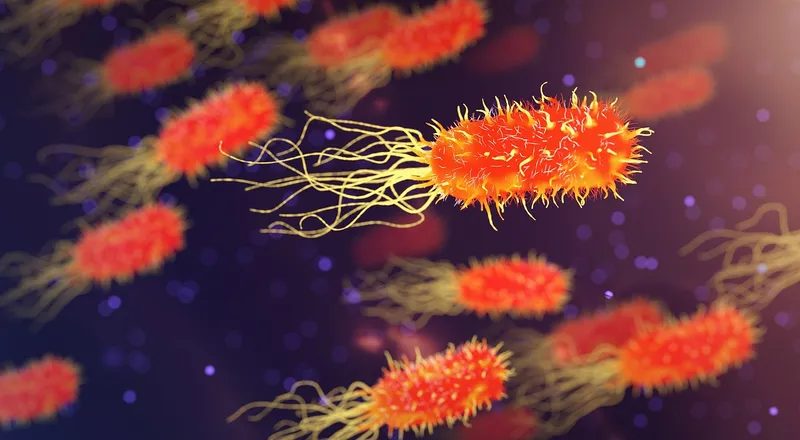
Exosomes are nano-sized extracellular vesicles (30-150 nanometers) naturally produced by cells, particularly stem cells. They function as cellular messengers, carrying proteins, lipids, RNA, and other bioactive molecules between cells.

Unlike regenerative medicine approach, which involves transplanting living cells, exosome therapy uses these communication vesicles to deliver therapeutic signals without the need for cell transplantation. They are vital for facilitating tissue repair and enhancing cellular health.

At StemCell Longevita, we utilize this advanced therapy to address conditions such as osteoarthritis, chronic pain, musculoskeletal injuries, and neurological disorders.

Клеточная регенерация
Как это работает

Как работает экзосомная терапия

Exosome therapy involves introducing powerful vesicles into the body to stimulate natural healing processes.

Enhance Cellular Communication

Improve interactions between cells to support recovery and optimize cellular function.

Reduce Inflammation

Alleviate inflammatory responses that may impede healing and cause chronic conditions.

Promote Tissue Regeneration

Accelerate the repair of damaged tissues including skin, joints, nerves, and organs.

Support Angiogenesis

Promote the formation of new blood vessels, improving circulation and oxygen delivery.

Laboratory Research
Сравнение

Экзосомы vs. традиционные стволовые клетки

While both therapies are integral to regenerative medicine, they have distinct differences:

Source
Living stem cells transplanted into body
Vesicles derived from stem cells (cell-free)
Risk
Potential immune reactions
Minimal risk of rejection
Action
Cells divide and differentiate
Direct cellular signaling
Speed
Gradual effects over time
Rapid cellular influence
Growth Factors
Standard levels
3x more growth factors than adult stem cells
Ключевые преимущества

Преимущества

Ускоренное заживление

Potentially faster recovery from injuries and degenerative conditions.

Low Risk

Minimal chances of rejection or adverse side effects since exosomes are cell-free.

Targeted Action

Exosomes naturally migrate to areas of injury or inflammation.

Натуральный подход

Leverages the body's own healing mechanisms for optimal outcomes.

Designed to Cross the Blood-Brain Barrier
Low Risk of Aggregation
Possess Anti-Inflammatory Properties
Exhibit Anti-Fibrotic Effects
Easy to Administer in Outpatient Setting
High Concentration of Growth Factors
Применение

Состояния, при которых применяется экзосомная терапия

Exosome therapy has shown promising results in treating various medical conditions.

Ортопедические заболевания

Joint pain, arthritis, tendon injuries, cartilage damage, and sports injuries

Neurological Disorders

Traumatic brain injury, stroke recovery, neurodegenerative diseases

Аутоиммунные заболевания

Rheumatoid arthritis, lupus, multiple sclerosis, inflammatory bowel disease

Сердечно-сосудистые заболевания

Heart disease, post-heart attack recovery, and vascular issues

Aesthetic & Anti-Aging

Skin rejuvenation, hair restoration, and overall anti-aging benefits

Хроническая боль

Fibromyalgia, chronic back pain, and other persistent pain conditions

Процесс лечения

Процесс сопровождения

01

Первичная консультация

Comprehensive evaluation of your medical history, current condition, and treatment goals.

02

Планирование лечения

Development of a personalized care plan based on your specific needs.

03

Введение

Exosomes are administered via IV infusion or targeted injections.

04

Восстановление и мониторинг

Minimal downtime required with monitoring for any reactions.

05

Сертифицировано

Regular follow-up appointments to assess progress and determine additional treatments.

Процесс лечения

Готовы узнать об экзосомной терапии?

Свяжитесь с нашей командой, чтобы узнать больше о том, как экзосомная терапия может вам помочь.