Kardiyovasküler Hastalıklar
- Tıbbi inceleme
- Prof. Dr. Erdal Karaöz EkibiHistoloji ve Embriyoloji Profesörü · Rejeneratif Tıp Merkezi Tıbbi Direktörü
- Son inceleme
- Sonraki planlı inceleme
Kanıtları nasıl değerlendiriyoruz · Çıkar çatışması beyanı · Yayın ilkeleri
Kalp durumları için gelişmiş rejeneratif tıp yaklaşımları, kardiyak rejenerasyon ve iyileştirilmiş kalp fonksiyonunu destekler.
Bir Bakışta Kanıt — Kardiyovasküler hastalık ve kalp yetmezliği
Yayınlanmış araştırmaların bu durum için neyi gösterdiğine ve neyi göstermediğine dair sade bir özet. Kanıt güçlü veya zayıf olsun, aynı standarda göre yazılmıştır.
- İnsan çalışmaları mevcut mu?
- Evet — kontrollü çalışmalar dahil
- Randomize denemeler?
- Birçok randomize çalışma ve çeşitli meta-analizler; ortalama etkiler küçük ve çalışmalar arasında tutarsız
- İncelenen ana sonuçlar
- Sol ventrikül ejeksiyon fraksiyonu
- NYHA sınıfı ve 6 dakikalık yürüme
- Hastaneye yatış
- Mortalite
- Güvenlik
- Uzun vadeli kanıt
- Sınırlı
- Bu endikasyon için düzenleyici onay
- Amerika Birleşik Devletleri (FDA): Bu endikasyon için FDA onaylı mezenkimal kök hücre ürünü bulunmamaktadır. FDA, onaylanmamış kök hücre ürünleri hakkında tüketici uyarıları yayınlamıştır.
- Avrupa Birliği (EMA): Bu endikasyon için EMA tarafından onaylanmış mezenkimal kök hücre ilacı bulunmamaktadır.
- Birleşik Krallık (MHRA): Bu endikasyon için MHRA tarafından onaylanmış mezenkimal kök hücre ilacı bulunmamaktadır.
- Türkiye (Sağlık Bakanlığı): Türkiye'de hücre tedavileri, sadece Sağlık Bakanlığı lisanslı merkezlerde, rejeneratif tıp / ileri tedavi düzenlemeleri kapsamında, klinik araştırma veya bireysel (istisnai) kullanım olarak sunulmaktadır — bu endikasyon için onaylanmış rutin bir tedavi olarak değil.
- Merkezimizdeki rolü
- Araştırma bağlamı — sadece standart bakımın tükendiği veya uygun olmadığı durumlarda ve hiçbir zaman onun yerine geçmek üzere değerlendirilmez
Ne tür kanıtlar mevcut?
- Mekanizma (laboratuvar): Belgelenmiş
- Hayvan / preklinik: Belgelenmiş
- Erken insan (faz 1/2, kontrolsüz): Belgelenmiş
- Kontrollü insan (randomize veya plasebo kontrollü): Belgelenmiş
- Düzenleyici onay: Tespit edilmemiş
Kaynaklar
- Systematic reviews and meta-analyses — Cardiovascular disease and heart failure — PubMed
- Randomised controlled trials — Cardiovascular disease and heart failure — PubMed
- Registered MSC trials — Cardiovascular disease and heart failure — ClinicalTrials.gov
- FDA — Consumer alert on regenerative medicine therapies — U.S. Food and Drug Administration, 2024
- Advanced therapy medicinal products: overview — European Medicines Agency, 2025
- ISSCR Guidelines for Stem Cell Research and Clinical Translation — International Society for Stem Cell Research, 2021
- ISSCR Patient Handbook on Stem Cell Therapies — International Society for Stem Cell Research, 2020
Kaynak bağlantılar, PubMed ve ClinicalTrials.gov'un filtrelenmiş aramalarını ve ayrıca düzenleyici ve meslek birliği sayfalarını açar, böylece seçilmiş bir alıntı yerine mevcut kanıtı kendiniz okuyabilirsiniz.
Bu özet, kanıt tabanı hakkında genel bilgi niteliğindedir, tıbbi tavsiye değildir ve fayda vaadi değildir. Herhangi bir tedavinin sizin için uygun olup olmadığına ancak tıbbi kayıtlarınızın incelenmesinden sonra karar verilebilir.
Kardiyovasküler Hastalık Nedir?
Kardiyovasküler hastalıklar dünya genelinde ölüm nedenlerinin başında gelmektedir. Geleneksel tedaviler semptomları yönetmeye ve daha fazla hasarı önlemeye odaklanırken, rejeneratif tıp yaklaşımları devrimci bir yaklaşım sunar: hasarlı kalp dokusunu gerçekten yenilemek.
Göbek kordonundan elde edilen mezenkimal kök hücreler (MSC'ler), kardiyak rejenerasyonda dikkat çekici bir potansiyel göstermiştir. Bu hücreler kardiyomiyositlere (kalp kası hücreleri) dönüşebilir, yeni kan damarlarının oluşumunu destekleyebilir ve kalp hastalığı ilerlemesine katkıda bulunan iltihabı azaltabilir.
StemCell Longevita'da, durumunuza ve ihtiyaçlarınıza bağlı olarak kök hücreleri doğrudan kalbe veya intravenöz infüzyon yoluyla iletmek için son teknoloji protokoller kullanıyoruz.
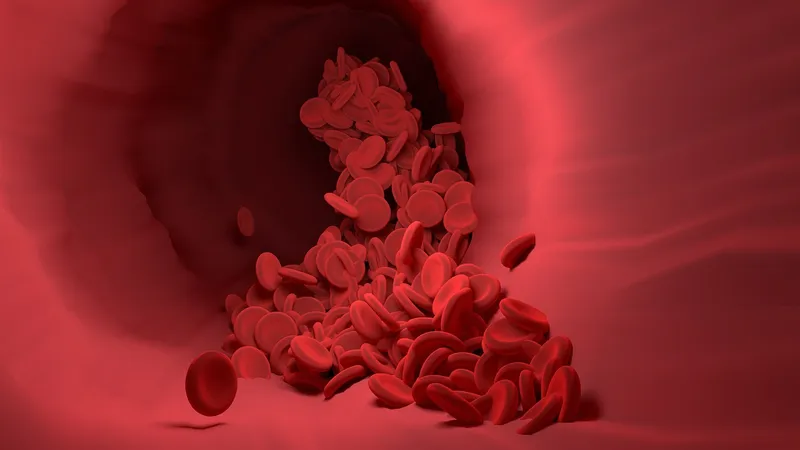
Kalp Hastalıkları için Rejeneratif Yaklaşımın Faydaları
Klinik araştırmalar, MSC tedavisinin kardiyovasküler hastalıkları ele almada, kardiyak onarımı ve fonksiyonel iyileşmeyi teşvik etmede önemli bir potansiyele sahip olduğunu göstermiştir.
Kök Hücreler Kardiyovasküler Hastalıklar için Nasıl Çalışır?
Kardiyovasküler rahatsızlıklar için MSC tedavisi, birden fazla rejeneratif yol aracılığıyla hasarlı kalp dokusunu ve bozulmuş damar sistemini hedefler. Klinik çalışmalar, MSC'lerin kardiyak onarımı teşvik edebileceğini, yeni kan damarı büyümesini uyarabileceğini ve kalp fonksiyonunu bozan fibrozis ve inflamasyonu azaltabileceğini göstermektedir.
MSC'ler, anjiyogenezi – yani yeni kan damarı oluşumunu – uyaran vasküler endotelyal büyüme faktörü (VEGF), fibroblast büyüme faktörü (FGF) ve anjiyopoietin-1 gibi parakrin faktörleri salgılar. Bu neovaskülarizasyon, iskemik kalp dokusuna kan akışını iyileştirerek, koroner arter hastalığı veya kalp krizi nedeniyle hasar görmüş bölgelere oksijen ve besin iletimini restore eder.
Miyokard enfarktüsü sonrası, fonksiyonel kalp kasının yerini skar dokusu (fibrozis) alır ve bu da kalp debisini azaltır. MSC'ler, skar dokusunu yeniden şekillendirebilen ve fibrozisi azaltabilen matriks metalloproteinazlar (MMP'ler) ve hepatosit büyüme faktörü (HGF) gibi anti-fibrotik faktörler salgılar; bu da hasarlı ventrikülün kasılma fonksiyonunu potansiyel olarak iyileştirebilir.
MSC'ler, ilerleyici kalp yetmezliğine önemli katkıda bulunan kronik kardiyak inflamasyonu azaltan güçlü anti-inflamatuar sitokinler salgılar. Pro-inflamatuar yolları baskılayarak ve inflamasyonun çözülmesini teşvik ederek, MSC'ler kardiyak doku iyileşmesi ve fonksiyonel iyileşme için uygun bir ortam yaratmaya yardımcı olur.
Klinik araştırmalar, MSC'lerin mevcut kardiyomiyositlerin (kalp kası hücreleri) sağkalımını destekleyen ve yerleşik kardiyak progenitör hücrelerin aktivasyonunu uyarabilen kardiyoprotektif faktörler salgıladığını göstermektedir. Bu birleşik etki, iskemik yaralanma sonrası kardiyak fonksiyonun korunmasına ve potansiyel olarak restore edilmesine yardımcı olur.
Kimler İyi Bir Adaydır?
Kardiyovasküler rejeneratif yaklaşıma uygunluk, ekokardiyografi, kardiyak biyobelirteçler, stres testleri ve görüntüleme çalışmaları dahil olmak üzere kapsamlı bir kardiyak değerlendirme ile belirlenir. Kardiyologlarımız, tedavi uygunluğunu ve güvenliğini sağlamak için her hastayı değerlendirir.
İdeal Adaylar
- ACE inhibitörleri, beta-blokerler ve diüretikler dahil olmak üzere optimal medikal tedaviye rağmen semptomatik kalan kronik kalp yetmezliği (NYHA Sınıf II-III) olan hastalar
- İskemik kardiyomiyopatisi ve düşük sol ventrikül ejeksiyon fraksiyonu (LVEF %40'ın altında) olan, cerrahi girişim için aday olmayan veya alternatifleri tercih eden bireyler
- Miyokard enfarktüsü sonrası, standart rehabilitasyonun ötesinde fonksiyonel kapasiteyi ve yaşam kalitesini iyileştirmeyi amaçlayan rezidüel kardiyak disfonksiyonu olan hastalar
- Revaskülarizasyon prosedürlerine rağmen inatçı anjina veya egzersiz intoleransı yaşayan stabil koroner arter hastalığı olan hastalar
- Hastalığın ilerlemesini yavaşlatmak için proaktif rejeneratif tedavi arayan erken evre dilate kardiyomiyopatisi olan bireyler
Uygun Olmayabilir
- Akut hemodinamik stabilizasyon, mekanik dolaşım desteği veya acil nakil değerlendirmesi gerektiren dekompanse kalp yetmezliği olan hastalar
- Rejeneratif tedaviden önce çözülmesi gereken aktif miyokardit, endokardit veya diğer akut kardiyak enfeksiyonları olan bireyler
- Ciddi, kontrolsüz aritmileri olan veya tedavi protokollerini etkileyebilecek implante edilmiş cihazlara sahip hastalar
- Aktif malignitesi olan veya kök hücre fonksiyonunu bozabilecek kemoterapi veya radyasyon tedavisi gören bireyler
Hangi Sonuçları Bekleyebilirsiniz?
Kardiyovasküler rejeneratif tıp yaklaşımında iyileşme ve gelişme süreleri, kalp hastalığının türüne ve şiddetine, başlangıçtaki kardiyak fonksiyona ve genel sağlığa göre değişir. Aşağıdakiler, klinik araştırma verileri ve hasta sonuçlarına dayalı genel bir rehberdir.
İlk İyileşme
İntravenöz infüzyon minimal iyileşme süresi ile iyi tolere edilir. Hastalar kardiyak ritim stabilitesi açısından izlenebilir. Çoğu hasta, tedaviden sonraki birkaç gün içinde normal aktivitelerine döner.
Erken İyileşmeler
Birçok hasta, günlük aktiviteler sırasında artan enerji seviyeleri ve azalan nefes darlığı bildirmektedir. Bu dönemde egzersiz toleransında ve genel dayanıklılıkta erken iyileşmeler yaygın olarak gözlenir.
İlerleyen Sonuçlar
Ejekiyon fraksiyonundaki iyileşmeler dahil olmak üzere kardiyak fonksiyonda ölçülebilir iyileşmeler, takip ekokardiyografisinde görülmeye başlayabilir. Hastalar genellikle yorgunlukta önemli azalmalar ve fonksiyonel kapasitede iyileşme bildirmektedir.
Optimal Sonuçlar
Genellikle en yüksek terapötik faydalar elde edilir; klinik çalışmalar, başlangıca kıyasla LVEF'de iyileşmeler, kardiyak fibrozis belirteçlerinde azalma ve yaşam kalitesi skorlarında artış bildirmektedir.
Uzun Vadeli Faydalar
Yeni kan damarı ağları olgunlaştıkça ve kardiyak yeniden şekillenme ilerledikçe sürdürülebilir kardiyovasküler iyileşmeler devam edebilir. Takip değerlendirmeleri, devam eden kardiyak fonksiyon iyileşmesini izler.
Bireysel sonuçlar değişiklik gösterir. Bu zaman çizelgeleri klinik gözlemlere dayanmaktadır ve garanti edilen sonuçlar değildir. Uzmanınız, konsültasyonunuz sırasında kişiselleştirilmiş beklentiler sunacaktır.
Hastaların Deneyimleri
StemCell Longevita İstanbul'da rejeneratif tıbbı tercih eden hastalardan gerçek sonuçlar
"Kardiyoloğum kalp fonksiyonundaki iyileşmenin yalnızca ilaçla ulaşılandan öte olduğunu söyledi. Üç yıldır ilk kez yeniden bahçe işleriyle uğraşıyorum."
"Rehabilitasyon ile rejeneratif tıbbın kombinasyonu beklenenden daha hızlı bir iyileşme sağladı. İstanbul kaderimi değiştirdi."
Kardiyovasküler Tedavi Yolculuğunuz
Yaklaşım protokolümüz, hem Amerika Birleşik Devletleri'nde hem de Türkiye'de eğitim almış uzmanlar tarafından tasarlanmakta ve uygulanmaktadır, bu da en yüksek kardiyovasküler bakım standartlarını garanti eder.
Adım 01: Kardiyak Değerlendirme
Kardiyoloğumuz, tıbbi geçmişinizi, ekokardiyografi sonuçlarınızı ve teşhis testlerinizi değerlendirerek durumunuzu gözden geçirir.
Adım 02: Ücretsiz Telefon Danışmanlığı
Onaylandıktan sonra, sorularınızı yanıtlamak üzere ücretsiz bir danışmanlık ile tedavi seçeneklerini ve fiyatlandırmayı sunarız.
Adım 03: Kök Hücre Hazırlığı
Depozito sonrası göbek kordonundan elde edilen MSC'leri GMP sertifikalı laboratuvarımızda hazırlarız, bu işlem genellikle 5-10 gün sürer.
Adım 04: Tedavi Uygulaması
Uzmanımızın intravenöz kök hücre infüzyonunu uyguladığı İstanbul kliniğimize ücretsiz ulaşım.
Adım 05: Takip İzlemi
Uzmanımız, planlanan takip programına göre kardiyak belirteçlerinizi ve fonksiyonel iyileşmenizi izler.

Uzman Kardiyak Bakım
Kurul Sertifikalı Uzmanlar
Kardiyovasküler tedavi ekibimiz, rejeneratif kardiyolojide geniş deneyime sahip uzmanları içermektedir. Her tedavi planı, spesifik kalp rahatsızlığınıza göre kişiye özel olarak hazırlanır ve optimum sonuçlar sağlar.
Hasta Hikayelerimizi & Uzman Görüşlerini İzleyin
Kök hücre tedavisi uygulamaları, prosedürleri ve hasta sonuçları hakkında gerçek sonuçları görün ve medikal ekibimizden dinleyin.
Tüm Rejeneratif Tıp Uygulamaları
Çeşitli durumlar için kapsamlı rejeneratif tıp uygulamalarımızı keşfedin. Daha fazla bilgi için herhangi bir seçeneğe tıklayın.
İlgili Tedaviler
İlgili Makaleler
İlgili tedaviler ve terapiler hakkında derinlemesine araştırma makalelerimizi ve rehberlerimizi keşfedin.
Kalp Hastalığı: Kardiyak Rejenerasyona Kök Hücre Yaklaşımları
Çeşitli kardiyovasküler durumları olan hastalarda doku onarımını teşvik ederek ve kardiyak fonksiyonu iyileştirerek rejeneratif tıp yaklaşımlarınin kalp sağlığını nasıl destekleyebileceğini anlayın.
Makaleyi Okuİnme Gelişmesi: Kök Hücreler Nörolojik Gelişmeyi Nasıl Destekler
İnme rehabilitasyonunda rejeneratif tıp yaklaşımlarınin potansiyelini, etki mekanizmalarını ve motor ve bilişsel fonksiyonda bildirilen gelişmeleri keşfedin.
Makaleyi OkuRejeneratif tıp yaklaşımlarıni Anlamak: Kapsamlı Bir Rehber
Rejeneratif tıp yaklaşımlarınin bilimi, türleri, uygulamaları ve günümüzün sağlık hizmetlerinde rejeneratif tıbbın potansiyeli hakkında derin bir bakış.
Makaleyi OkuDünya Çapında Bu Tedavi Ne Kadar Tutar?
StemCell Longevita'daki bu rejeneratif tıp maliyetlerini diğer ülkelerdeki kliniklerle karşılaştırın.
| Ülke | Tipik Maliyet |
|---|---|
| Amerika Birleşik Devletleri | $20,000 – $40,000 |
| Birleşik Krallık | £15,000 – £30,000 |
| Almanya | €18,000 – €35,000 |
| Güney Kore | $15,000 – $28,000 |
| StemCell Longevita (Türkiye) | €8,950'den Başlayan |
Fiyatlar, göbek kordonu kaynaklı mezenkimal kök hücre (MSC) tedavileri sunan karşılaştırılabilir kök hücre kliniklerinin piyasa araştırmasına dayanmaktadır (2025-2026). Gerçek fiyatlar klinik, hücre sayısı ve duruma göre değişiklik gösterir.
Bu durum için detaylı rehberler:
İlgili klinik sorular
Bu sayfanın daha geniş resimdeki yeri.