Regenerative Approach for Cardiovascular Disease
- Written by
- StemCell Longevita Editorial Team
- Medically reviewed by
- Prof. Dr. Erdal Karaöz TeamProfessor of Histology and Embryology · Medical Director, Center for Regenerative Medicine
- Last reviewed
- Next scheduled review
How we evaluate evidence · Conflict-of-interest disclosure · Editorial standards
Regenerate damaged heart tissue and restore cardiac function with advanced mesenchymal regenerative medicine approach. Experience cutting-edge cardiovascular treatment at StemCell Longevita Istanbul.
Can stem cell therapy help cardiovascular disease?
Mesenchymal stem cell therapy is not an approved treatment for cardiovascular disease. Multiple trials in ischaemic heart disease and heart failure have reported acceptable safety and some ejection-fraction changes, but larger controlled studies have not shown consistent, clinically meaningful improvement in mortality or major cardiovascular outcomes. Guideline-directed medical therapy, revascularisation where indicated and device therapy remain the evidence-based mainstay.
Key facts
- Approval status
- Not approved for cardiovascular disease
- Evidence
- Trials show safety; outcome benefit not consistent
- Standard care
- GDMT, revascularisation, device therapy under cardiology
What we know
- Intracoronary and intramyocardial MSC studies have met short-term safety endpoints in multiple trials.
What remains uncertain
- Whether any patient subgroup shows a reproducible mortality or major-event benefit from MSC administration.
Medically reviewed questions
This summary is general medical information, not medical advice, and not a promise of benefit. Figures are quoted ranges, confirmed in writing after a medical review.
Medically reviewed by: Prof. Dr. Erdal Karaöz · Last updated: · Editorial and evidence policy
Evidence at a glance — Cardiovascular disease and heart failure
A plain summary of what the published research does and does not show for this condition. It is written to the same standard whether the evidence is strong or weak.
- Human studies available?
- Yes — including controlled studies
- Randomised trials?
- Many randomised trials and several meta-analyses; average effects are small and inconsistent between trials
- Main outcomes studied
- Left ventricular ejection fraction
- NYHA class and 6-minute walk
- Hospitalisation
- Mortality
- Safety
- Long-term evidence
- Limited
- Regulatory approval for this indication
- United States (FDA): No FDA-approved mesenchymal stem cell product for this indication. The FDA has issued consumer warnings about unapproved stem cell products.
- European Union (EMA): No EMA-authorised mesenchymal stem cell medicine for this indication.
- United Kingdom (MHRA): No MHRA-authorised mesenchymal stem cell medicine for this indication.
- Türkiye (Ministry of Health): In Türkiye, cell therapies are delivered only inside Ministry of Health–licensed centres under the regenerative medicine / advanced therapy regulations, as clinical research or individual (exceptional) use — not as an approved routine treatment for this indication.
- Role at our centre
- Research context — considered only where standard care is exhausted or unsuitable, and never as a replacement for it
What kind of evidence exists
- Mechanism (laboratory): Documented
- Animal / preclinical: Documented
- Early human (phase 1/2, uncontrolled): Documented
- Controlled human (randomised or sham-controlled): Documented
- Regulatory approval: Not established
Sources
- Systematic reviews and meta-analyses — Cardiovascular disease and heart failure — PubMed
- Randomised controlled trials — Cardiovascular disease and heart failure — PubMed
- Registered MSC trials — Cardiovascular disease and heart failure — ClinicalTrials.gov
- FDA — Consumer alert on regenerative medicine therapies — U.S. Food and Drug Administration, 2024
- Advanced therapy medicinal products: overview — European Medicines Agency, 2025
- ISSCR Guidelines for Stem Cell Research and Clinical Translation — International Society for Stem Cell Research, 2021
- ISSCR Patient Handbook on Stem Cell Therapies — International Society for Stem Cell Research, 2020
Source links open filtered searches of PubMed and ClinicalTrials.gov plus regulator and professional-society pages, so you can read the current evidence yourself rather than a selected extract.
This summary is general information about the evidence base, not medical advice and not a promise of benefit. Whether any treatment is appropriate for you can only be decided after a medical review of your records.
What is Cardiovascular Disease?
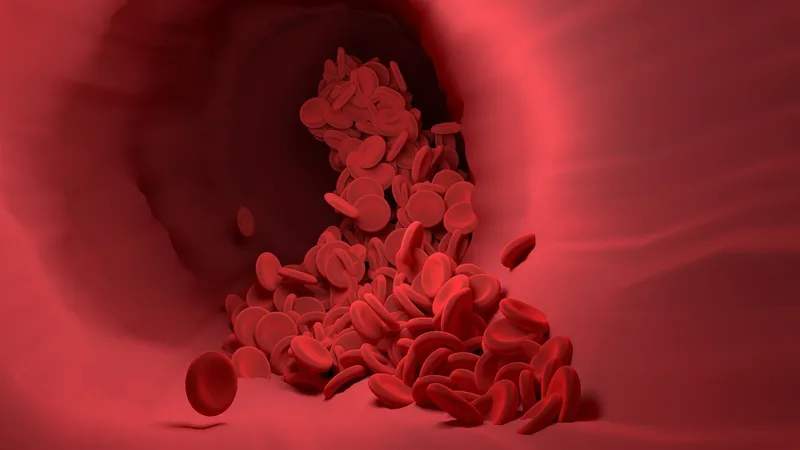
Cardiovascular disease (CVD) encompasses a range of conditions affecting the heart and blood vessels, including coronary artery disease, heart failure, and cardiomyopathy. It remains the leading cause of death worldwide, often resulting from plaque buildup, high blood pressure, and chronic inflammation that damages the cardiovascular system over time.
Our regenerative medicine application utilizes allogeneic mesenchymal stem cells (MSCs) derived from umbilical cord tissue to promote cardiac tissue regeneration. MSCs release paracrine factors that stimulate angiogenesis, reduce fibrosis, and support the repair of damaged heart muscle.
By leveraging the regenerative potential of umbilical cord-derived MSCs, we aim to improve cardiac function, enhance blood flow, and reduce symptoms such as shortness of breath and fatigue, offering renewed hope for patients with cardiovascular conditions.
Benefits of Regenerative Approach for Heart Disease
Clinical research has demonstrated significant potential for MSC therapy in addressing cardiovascular disease, promoting cardiac repair and functional improvement.
Cardiac Tissue Regeneration
MSCs promote the repair of damaged heart muscle by releasing growth factors that stimulate native cardiac cell regeneration.
Improved Heart Function
Studies show improvements in left ventricular ejection fraction and overall cardiac output following MSC treatment.
Enhanced Blood Vessel Formation
MSCs promote angiogenesis — the formation of new blood vessels — improving blood supply to oxygen-deprived heart tissue.
Reduced Inflammation & Fibrosis
The anti-inflammatory properties of MSCs help reduce chronic cardiac inflammation and scar tissue formation.
How Stem Cells Work for Cardiovascular Disease
MSC therapy for cardiovascular conditions targets the damaged heart tissue and impaired vasculature through multiple regenerative pathways. Clinical studies suggest that MSCs can promote cardiac repair, stimulate new blood vessel growth, and reduce the fibrosis and inflammation that compromise heart function.
MSCs release paracrine factors including vascular endothelial growth factor (VEGF), fibroblast growth factor (FGF), and angiopoietin-1 that stimulate angiogenesis — the formation of new blood vessels. This neovascularization improves blood supply to ischemic heart tissue, restoring oxygen and nutrient delivery to areas damaged by coronary artery disease or heart attack.
Following myocardial infarction, scar tissue (fibrosis) replaces functional heart muscle, reducing cardiac output. MSCs secrete anti-fibrotic factors including matrix metalloproteinases (MMPs) and hepatocyte growth factor (HGF) that can remodel scar tissue and reduce fibrosis, potentially improving the contractile function of the damaged ventricle.
MSCs release potent anti-inflammatory cytokines that reduce chronic cardiac inflammation, a major contributor to progressive heart failure. By suppressing pro-inflammatory pathways and promoting resolution of inflammation, MSCs help create an environment conducive to cardiac tissue healing and functional recovery.
Clinical research indicates that MSCs secrete cardioprotective factors that support the survival of existing cardiomyocytes (heart muscle cells) and may stimulate the activation of resident cardiac progenitor cells. This combined effect helps preserve and potentially restore cardiac function following ischemic injury.
Who Is a Good Candidate?
Candidacy for cardiovascular the regenerative approach is determined through comprehensive cardiac evaluation, including echocardiography, cardiac biomarkers, stress testing, and imaging studies. Our cardiologists assess each patient to ensure treatment suitability and safety.
Ideal Candidates
- Patients with chronic heart failure (NYHA Class II-III) who remain symptomatic despite optimal medical therapy including ACE inhibitors, beta-blockers, and diuretics
- Individuals with ischemic cardiomyopathy and reduced left ventricular ejection fraction (LVEF below 40%) who are not candidates for or prefer alternatives to surgical intervention
- Post-myocardial infarction patients with residual cardiac dysfunction seeking to improve functional capacity and quality of life beyond standard rehabilitation
- Patients with stable coronary artery disease experiencing persistent angina or exercise intolerance despite revascularization procedures
- Individuals with early-stage dilated cardiomyopathy seeking proactive regenerative treatment to slow disease progression
May Not Be Suitable
- Patients with decompensated heart failure requiring acute hemodynamic stabilization, mechanical circulatory support, or urgent transplant evaluation
- Individuals with active myocarditis, endocarditis, or other acute cardiac infections that must be resolved before regenerative treatment
- Patients with severe, uncontrolled arrhythmias or those with implanted devices that may interfere with treatment protocols
- Individuals with active malignancy or those undergoing chemotherapy or radiation therapy that could compromise stem cell function
What Results Can You Expect?
Recovery and improvement timelines for cardiovascular regenerative medicine approach vary based on the type and severity of heart disease, baseline cardiac function, and overall health. The following represents a general guide based on clinical trial data and patient outcomes.
Initial Recovery
The intravenous infusion is well-tolerated with minimal recovery time. Patients may be monitored for cardiac rhythm stability. Most patients resume normal activities within a few days of treatment.
Early Improvements
Many patients report improved energy levels and reduced shortness of breath during daily activities. Early improvements in exercise tolerance and overall stamina are commonly observed during this period.
Progressive Results
Measurable improvements in cardiac function may begin to appear on follow-up echocardiography, including improvements in ejection fraction. Patients often report significant reductions in fatigue and improved functional capacity.
Optimal Results
Peak therapeutic benefits are typically achieved, with clinical studies reporting improvements in LVEF, reduced cardiac fibrosis markers, and enhanced quality of life scores compared to baseline.
Long-Term Benefits
Sustained cardiovascular improvements may continue as new blood vessel networks mature and cardiac remodeling progresses. Follow-up assessments track continued cardiac function improvement.
Individual results vary. These timelines are based on clinical observations and are not guaranteed outcomes. Your specialist will provide personalized expectations during your consultation.
Patient Experiences
Real outcomes from patients who chose regenerative medicine at StemCell Longevita Istanbul
"My cardiologist said my heart function improvement was beyond what medication alone could achieve. I'm gardening again for the first time in three years."
"The rehabilitation combined with regenerative medicine accelerated my improvement beyond what anyone expected. Istanbul changed my trajectory."
Your Cardiovascular Treatment Journey
our approach protocol is designed and administered by specialists trained in both the United States and Turkey, ensuring the highest standards of cardiovascular care.
Step 01: Cardiac Assessment
Our cardiologist reviews your medical history, echocardiography results, and diagnostic tests to evaluate your condition.
Step 02: Free Phone Consultation
Once approved, we present treatment options and pricing with a complimentary consultation to address your questions.
Step 03: Stem Cell Preparation
After deposit, we prepare umbilical cord-derived MSCs in our GMP-certified laboratory, typically taking 5–10 days.
Step 04: Treatment Administration
Free transportation to our Istanbul clinic where the specialist administers your intravenous stem cell infusion.
Step 05: Follow-Up Monitoring
Our specialist monitors your cardiac markers and functional improvement according to a scheduled follow-up plan.
Expert Cardiac Care
Board-Certified Specialists
Our cardiovascular treatment team includes specialists with extensive experience in regenerative cardiology. Each care plan is individually tailored based on your specific cardiac condition, ensuring optimal outcomes.
Frequently Asked Questions
Watch Our Patient Stories & Expert Insights
See real results and hear from our medical team about stem cell therapy treatments, procedures, and patient outcomes.
All Regenerative Medicine Applications
Explore our comprehensive range of regenerative medicine applications for various conditions. Click any option to learn more.
Related Articles
Explore our in-depth research articles and guides on related treatments and therapies.
Heart Disease: Stem Cell Approaches to Cardiac Regeneration
Understanding how regenerative medicine approaches may support heart health by promoting tissue repair and supporting cardiac function in patients with various cardiovascular conditions.
Read ArticleStroke Progress: How Stem Cells Support Neurological Wellness
Exploring the potential of regenerative medicine in stroke rehabilitation, including mechanisms of action and reported improvements in motor and cognitive function.
Read ArticleUnderstanding Regenerative Medicine: A Complete Guide
A comprehensive overview of stem cell therapy, including types of stem cells, care processes, safety considerations, and what patients can expect during their wellness journey.
Read ArticleHow Much Does This Cost Worldwide?
Compare this regenerative medicine costs at StemCell Longevita versus clinics in other countries.
| Country | Typical Cost |
|---|---|
| United States | $20,000 – $40,000 |
| United Kingdom | £15,000 – £30,000 |
| Germany | €18,000 – €35,000 |
| South Korea | $15,000 – $28,000 |
| StemCell Longevita (Turkey) | From £7,600 |
Prices based on market research of comparable stem cell clinics offering umbilical cord-derived MSC treatments (2025-2026). Actual prices vary by clinic, cell count, and condition.
Detailed guides for this condition:
Related clinical questions
Where this page sits in the wider picture.