
Advanced Regenerative Therapy for Pulmonary Fibrosis
- Written by
- StemCell Longevita Editorial Team
- Medically reviewed by
- Prof. Dr. Erdal Karaöz TeamProfessor of Histology and Embryology · Medical Director, Center for Regenerative Medicine
- Last reviewed
- Next scheduled review
How we evaluate evidence · Conflict-of-interest disclosure · Editorial standards
Evidence-based MSC therapy targeting lung scarring at its source. Reduce fibrosis progression, improve breathing capacity, and restore quality of life with advanced stem cell treatment in Istanbul.
Can stem cell therapy help pulmonary fibrosis?
Mesenchymal stem cell therapy is not an approved treatment for idiopathic or other pulmonary fibroses. Small early-phase trials have reported acceptable short-term safety, but they have not demonstrated a consistent, clinically meaningful slowing of FVC decline. Approved anti-fibrotic therapies — pirfenidone and nintedanib — have randomised evidence and remain the evidence-based mainstay alongside supportive care and transplant assessment where indicated.
Key facts
- Approval status
- Not approved for pulmonary fibrosis
- Evidence
- Small trials; FVC-decline benefit not demonstrated
- Standard care
- Pirfenidone or nintedanib; supportive care; transplant assessment
What we know
- Anti-fibrotic drugs (pirfenidone, nintedanib) have randomised evidence for slowing FVC decline.
What remains uncertain
- Whether MSC administration adds anything beyond approved anti-fibrotic therapy.
Medically reviewed questions
This summary is general medical information, not medical advice, and not a promise of benefit. Figures are quoted ranges, confirmed in writing after a medical review.
Medically reviewed by: Prof. Dr. Erdal Karaöz · Last updated: · Editorial and evidence policy
Evidence at a glance — Pulmonary fibrosis
A plain summary of what the published research does and does not show for this condition. It is written to the same standard whether the evidence is strong or weak.
- Human studies available?
- Yes — early-stage only
- Randomised trials?
- Phase 1/2 trials, some randomised; safety-focused
- Main outcomes studied
- FVC and DLCO
- 6-minute walk
- HRCT fibrosis extent
- Safety
- Long-term evidence
- Very limited
- Regulatory approval for this indication
- United States (FDA): No FDA-approved mesenchymal stem cell product for this indication. The FDA has issued consumer warnings about unapproved stem cell products.
- European Union (EMA): No EMA-authorised mesenchymal stem cell medicine for this indication.
- United Kingdom (MHRA): No MHRA-authorised mesenchymal stem cell medicine for this indication.
- Türkiye (Ministry of Health): In Türkiye, cell therapies are delivered only inside Ministry of Health–licensed centres under the regenerative medicine / advanced therapy regulations, as clinical research or individual (exceptional) use — not as an approved routine treatment for this indication.
- Role at our centre
- Research context — considered only where standard care is exhausted or unsuitable, and never as a replacement for it
What kind of evidence exists
- Mechanism (laboratory): Documented
- Animal / preclinical: Documented
- Early human (phase 1/2, uncontrolled): Documented
- Controlled human (randomised or sham-controlled): Documented
- Regulatory approval: Not established
Sources
- Systematic reviews and meta-analyses — Pulmonary fibrosis — PubMed
- Randomised controlled trials — Pulmonary fibrosis — PubMed
- Registered MSC trials — Pulmonary fibrosis — ClinicalTrials.gov
- FDA — Consumer alert on regenerative medicine therapies — U.S. Food and Drug Administration, 2024
- Advanced therapy medicinal products: overview — European Medicines Agency, 2025
- ISSCR Guidelines for Stem Cell Research and Clinical Translation — International Society for Stem Cell Research, 2021
- ISSCR Patient Handbook on Stem Cell Therapies — International Society for Stem Cell Research, 2020
Source links open filtered searches of PubMed and ClinicalTrials.gov plus regulator and professional-society pages, so you can read the current evidence yourself rather than a selected extract.
This summary is general information about the evidence base, not medical advice and not a promise of benefit. Whether any treatment is appropriate for you can only be decided after a medical review of your records.
What is Pulmonary Fibrosis and How Can Stem Cells Help?
Pulmonary fibrosis is a chronic, progressive lung disease characterized by the formation of scar tissue (fibrosis) in the lungs. This scarring thickens and stiffens the tissue around and between the air sacs (alveoli), making it increasingly difficult for oxygen to pass into the bloodstream. The condition leads to progressive shortness of breath, chronic dry cough, fatigue, and ultimately respiratory failure.
Conventional treatments for pulmonary fibrosis are limited. The two FDA-approved anti-fibrotic drugs — pirfenidone and nintedanib — can only slow the rate of lung function decline, but they cannot reverse existing scarring or regenerate damaged tissue. Lung transplantation remains the only definitive cure, but availability is severely limited, and the procedure carries significant risks.
Mesenchymal stem cell (MSC) therapy represents a breakthrough regenerative approach. Wharton's jelly-derived MSCs from umbilical cord tissue possess potent anti-fibrotic, anti-inflammatory, and regenerative properties. They target the fibrotic cascade at multiple points — inhibiting myofibroblast formation, breaking down excess collagen through matrix metalloproteinase secretion, and promoting the regeneration of healthy alveolar epithelial cells. Clinical research, including a landmark 2023 review in Biomedicine & Pharmacotherapy, supports their therapeutic potential for various forms of pulmonary fibrosis.
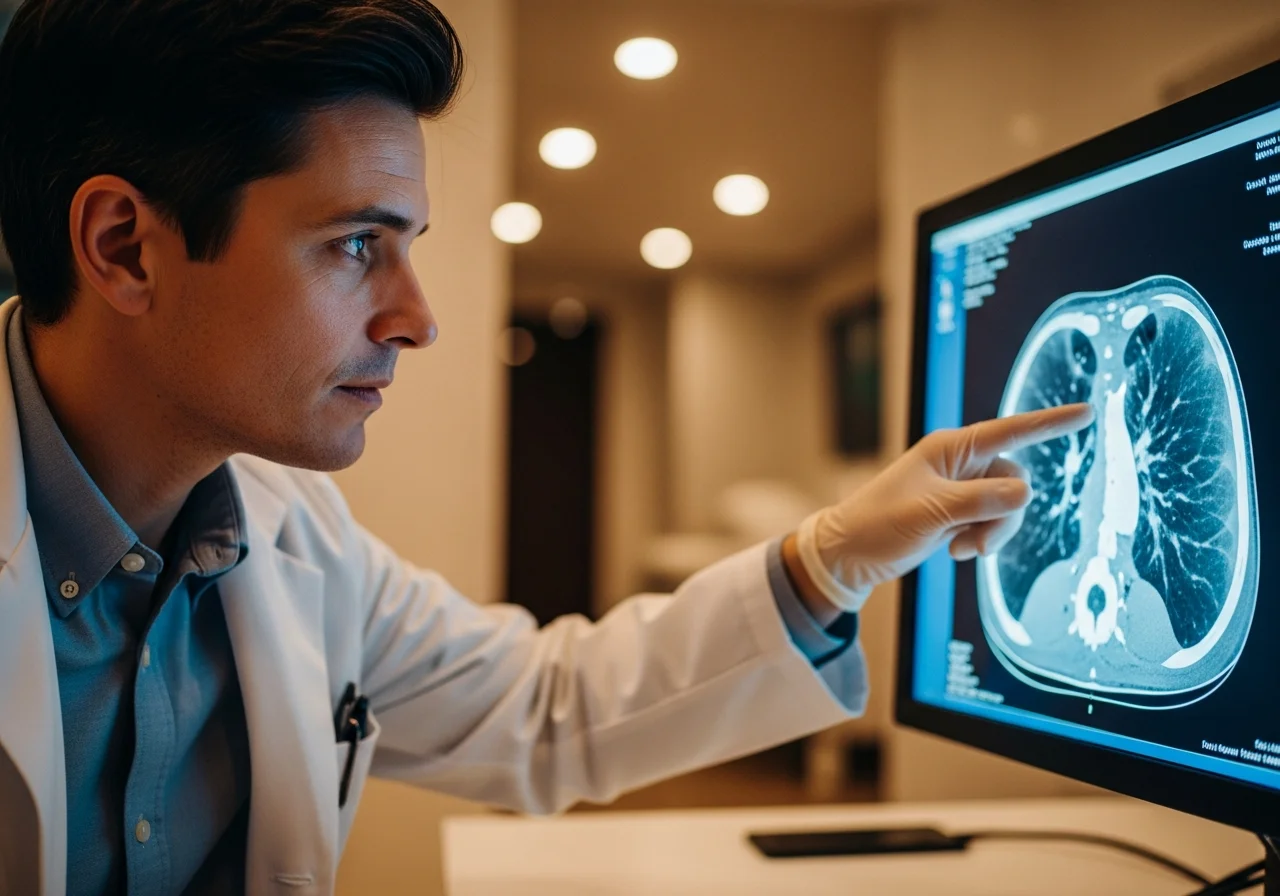
High-resolution CT imaging is essential for assessing the extent and pattern of pulmonary fibrosis before planning regenerative treatment.
Understanding Idiopathic Pulmonary Fibrosis (IPF)
Idiopathic Pulmonary Fibrosis is the most common and severe form of pulmonary fibrosis, affecting approximately 3 million people worldwide. The disease is characterized by progressive, irreversible scarring of the lung tissue that replaces healthy alveolar cells with dense fibrotic tissue. As scarring worsens, the lungs become increasingly stiff and unable to efficiently transfer oxygen into the bloodstream.
IPF typically affects adults over 50 and carries a median survival of 3-5 years from diagnosis. Current FDA-approved anti-fibrotic medications — pirfenidone and nintedanib — can slow disease progression but cannot reverse existing damage. This is where regenerative medicine offers a fundamentally different therapeutic approach.
The Fibrotic Cascade: How Lung Scarring Develops
Pulmonary fibrosis develops through a self-perpetuating cycle of epithelial injury and aberrant wound healing. When alveolar epithelial cells are damaged — whether by environmental toxins, autoimmune processes, radiation, or unknown triggers in the case of IPF — they release pro-fibrotic signals including transforming growth factor-beta 1 (TGF-β1). This cytokine activates fibroblasts and transforms them into myofibroblasts, the cells responsible for producing excessive collagen and extracellular matrix (ECM) proteins that constitute scar tissue.
Over time, this fibrotic remodeling destroys the delicate alveolar architecture needed for gas exchange. The honeycombing pattern visible on high-resolution CT scans represents the end-stage destruction of lung parenchyma. Understanding this mechanism is crucial because MSC therapy targets multiple points in this fibrotic cascade, offering a more comprehensive approach than single-pathway drugs.
The Science Behind MSC Therapy for Pulmonary Fibrosis
Recent peer-reviewed research, including a comprehensive 2023 review published in Biomedicine & Pharmacotherapy (Volume 165), has established the multi-mechanistic therapeutic potential of mesenchymal stem cells (MSCs) for pulmonary fibrosis. The evidence demonstrates that MSCs exert their anti-fibrotic effects through several distinct but interconnected pathways.
1. TGF-β1/Smad Pathway Inhibition
The TGF-β1/Smad signaling pathway is the central driver of pulmonary fibrosis. Research shows that MSCs directly inhibit TGF-β1-induced Smad2/3 phosphorylation, effectively blocking the signal that transforms normal lung fibroblasts into collagen-producing myofibroblasts. This is arguably the most important anti-fibrotic mechanism, as TGF-β1 is the master regulator of fibrogenesis in the lungs.
2. Hepatocyte Growth Factor (HGF) Secretion
MSCs are potent secretors of hepatocyte growth factor, a cytokine with proven anti-fibrotic properties. HGF inhibits epithelial-to-mesenchymal transition (EMT), a process where healthy epithelial cells transform into fibrosis-promoting mesenchymal cells. By blocking EMT, MSC-derived HGF helps preserve the remaining healthy alveolar epithelium and prevents further expansion of fibrotic tissue.
3. Matrix Metalloproteinase (MMP) Regulation
Clinical evidence shows that MSCs upregulate the production of matrix metalloproteinases — enzymes that actively break down excess collagen and extracellular matrix proteins. Specifically, MSCs increase MMP-2 and MMP-9 activity while decreasing tissue inhibitors of metalloproteinases (TIMPs), shifting the balance toward fibrosis resolution rather than fibrosis accumulation.
4. Paracrine Exosome Signaling
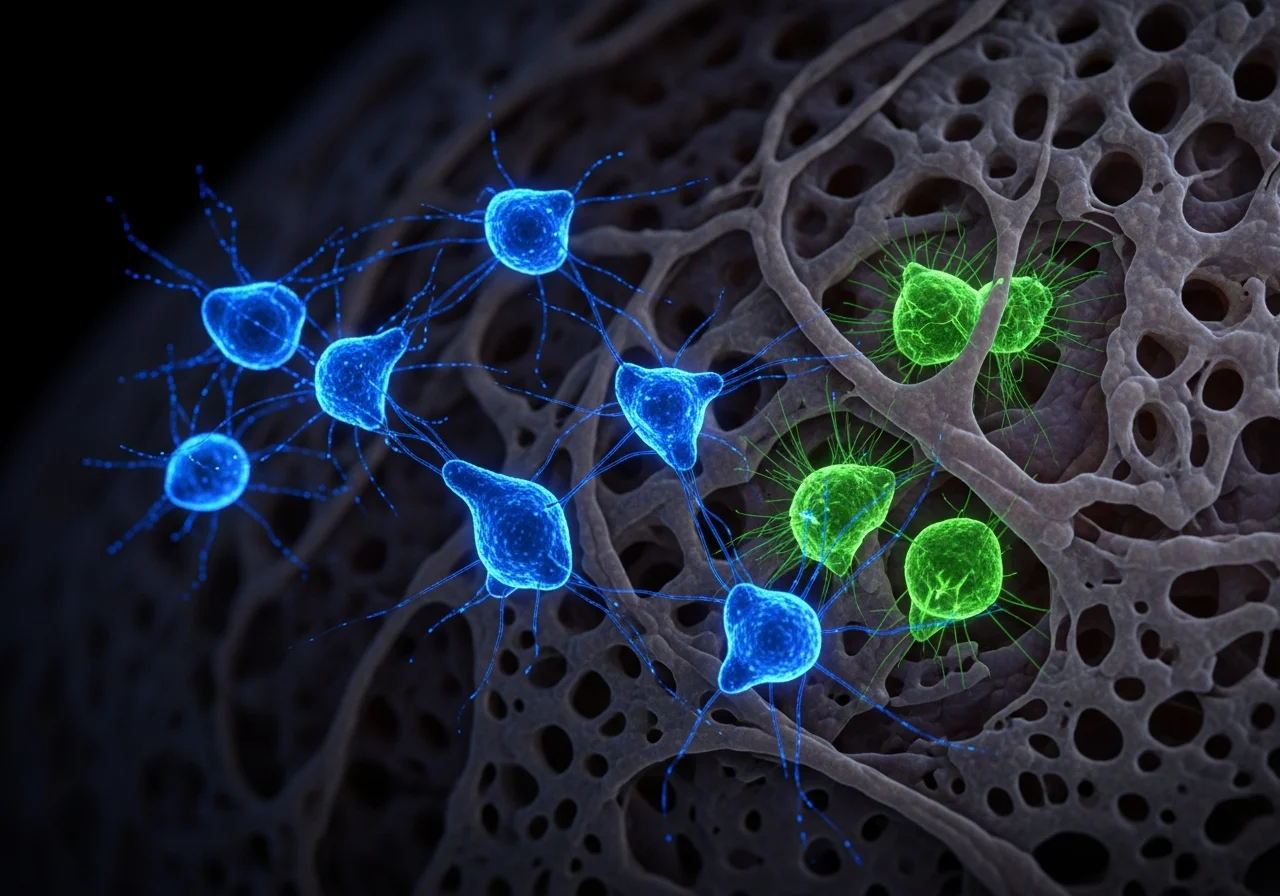
MSCs communicate with damaged lung cells through exosomes — nanoscale vesicles containing microRNAs, proteins, and lipids. These MSC-derived exosomes deliver anti-fibrotic microRNAs (such as miR-29 and miR-let7) directly to fibroblasts and alveolar epithelial cells, reprogramming their behavior away from fibrotic pathways. This paracrine mechanism means MSCs can influence tissue repair even without direct cell-to-cell contact.
Key Research Findings
- Phase I/II clinical trials demonstrate MSC safety and tolerability in IPF patients with no serious adverse events reported
- Significant reduction in fibrotic biomarkers (TGF-β1, CTGF, α-SMA) observed in treated patients
- Measurable improvements in forced vital capacity (FVC) and diffusing capacity (DLCO) at 6-month follow-up
- Wharton's jelly-derived MSCs show superior anti-fibrotic potential compared to bone marrow or adipose-derived sources
- Combined IV + endobronchial delivery routes enhance therapeutic efficacy for lung-targeted treatment
Medical Disclaimer: While clinical research is promising, stem cell therapy for pulmonary fibrosis is still under investigation. Results vary by patient. Our medical team will provide a thorough evaluation to determine if you are a suitable candidate.
Comprehensive Coverage of Fibrotic Lung Conditions
Idiopathic Pulmonary Fibrosis (IPF)
The most common form with unknown cause. Progressive scarring that typically affects adults over 50. MSC therapy targets the aberrant wound healing response that drives IPF progression.
Non-Specific Interstitial Pneumonia (NSIP)
Characterized by uniform inflammation and fibrosis of the lung interstitium. Often associated with autoimmune conditions. MSCs address both the inflammatory and fibrotic components.
Radiation-Induced Pulmonary Fibrosis
Develops after radiation therapy for thoracic cancers. MSC therapy can reduce radiation-induced inflammation and limit the extent of subsequent fibrotic remodeling.
Autoimmune-Related Pulmonary Fibrosis
Lung fibrosis secondary to conditions like rheumatoid arthritis, scleroderma, or lupus. MSCs provide dual benefit through immunomodulation and anti-fibrotic action. See also our autoimmune disease treatment.
Occupational & Environmental Fibrosis
Caused by prolonged exposure to asbestos (asbestosis), silica (silicosis), coal dust, or other inhaled toxins. MSC therapy supports tissue repair after exposure has ceased.
Post-COVID Pulmonary Fibrosis
Emerging evidence shows COVID-19 can trigger lasting pulmonary fibrosis. MSCs have demonstrated efficacy in reducing post-viral lung inflammation and fibrotic sequelae in clinical studies.
Benefits of MSC Therapy for Pulmonary Fibrosis
Discover how mesenchymal stem cell therapy targets the root causes of lung fibrosis through multiple evidence-based mechanisms.
Anti-Fibrotic Action
MSCs inhibit the TGF-β1/Smad pathway that drives fibroblast activation and excessive collagen production, directly targeting the central mechanism of pulmonary fibrosis.
Alveolar Tissue Regeneration
Stem cells promote the regeneration of type II alveolar epithelial cells, restoring the delicate gas-exchange surfaces destroyed by fibrotic remodeling.
Immune System Modulation
MSCs rebalance the pro-inflammatory and pro-fibrotic immune response, reducing the chronic inflammation that perpetuates the fibrotic cycle in the lungs.
Improved Oxygenation
By reducing fibrotic tissue and promoting alveolar repair, MSC therapy helps improve oxygen diffusion capacity and may reduce supplemental oxygen requirements.
Slowed Disease Progression
Multi-pathway intervention helps slow the progressive decline in forced vital capacity (FVC) and diffusing capacity (DLCO) characteristic of pulmonary fibrosis.
Enhanced Breathing Capacity
Patients often report improved exercise tolerance, longer walking distances, and reduced dyspnea during daily activities following MSC treatment.
MSC Therapy vs. Traditional Pulmonary Fibrosis Treatments
| Feature | Pirfenidone / Nintedanib | MSC Therapy at StemCell Longevita |
|---|---|---|
| Mechanism | Single-pathway anti-fibrotic | Multi-pathway: anti-fibrotic + anti-inflammatory + regenerative |
| Can Reverse Existing Fibrosis? | No — slows progression only | Potential to reduce existing fibrosis via MMP activation |
| Administration | Daily oral medication (lifelong) | 1-2 IV sessions with 6-12 month follow-up |
| Common Side Effects | Nausea, diarrhea, photosensitivity, liver toxicity | Minimal — mild temporary fatigue in some patients |
| Tissue Regeneration | No regenerative effect | Promotes alveolar epithelial cell regeneration |
| Compatible with Other Treatments | Limited combinations | Can complement existing anti-fibrotic medications |
Note: MSC therapy does not replace standard medical care. It is offered as a complementary regenerative approach and should be discussed with your pulmonologist.
How Stem Cells Combat Pulmonary Fibrosis
Mesenchymal stem cell therapy for pulmonary fibrosis works through a multi-mechanistic approach that addresses both the fibrotic cascade and the inflammatory drivers of disease progression. Peer-reviewed research published in Biomedicine & Pharmacotherapy (2023) confirms MSCs can modulate key fibrotic pathways in the lungs.
MSCs inhibit the TGF-β1/Smad signaling pathway — the master regulator of lung fibrosis. By blocking TGF-β1-induced Smad2/3 phosphorylation, MSCs prevent the transformation of normal lung fibroblasts into collagen-producing myofibroblasts, directly interrupting the fibrotic cascade at its source.
Stem cells secrete hepatocyte growth factor (HGF) and prostaglandin E2 (PGE2) — potent anti-fibrotic mediators that inhibit epithelial-to-mesenchymal transition (EMT). This prevents healthy alveolar epithelial cells from transforming into fibrosis-promoting mesenchymal cells, preserving remaining lung function.
MSCs upregulate matrix metalloproteinases (MMP-2, MMP-9) while suppressing tissue inhibitors of metalloproteinases (TIMPs). This enzymatic rebalancing actively breaks down existing fibrotic extracellular matrix, potentially reducing the burden of established scar tissue in the lungs.
MSC-derived exosomes deliver anti-fibrotic microRNAs (miR-29, miR-let7) directly to fibroblasts and alveolar epithelial cells, reprogramming their behavior away from fibrotic pathways. This paracrine mechanism provides sustained therapeutic effects even after the initial MSC administration.
Who Is a Good Candidate?
Candidacy for MSC therapy in pulmonary fibrosis is determined through comprehensive pulmonary function testing, high-resolution CT imaging, and specialist respiratory evaluation. Our team identifies patients most likely to benefit from regenerative lung therapy.
Ideal Candidates
- Patients with confirmed pulmonary fibrosis (IPF, NSIP, or other forms) with FVC > 40% predicted
- Individuals experiencing progressive decline in lung function despite anti-fibrotic medication
- Patients with early-to-moderate stage fibrosis seeking to slow progression and preserve function
- Those with post-COVID pulmonary fibrosis with persistent respiratory symptoms
- Patients with autoimmune-related lung fibrosis alongside or following systemic treatment
May Not Be Suitable
- Patients with end-stage fibrosis requiring continuous mechanical ventilation (FVC < 30%)
- Individuals with active pulmonary infections or untreated tuberculosis
- Patients currently listed for lung transplant (must be discussed with transplant team)
- Those with active pulmonary malignancies or uncontrolled systemic cancer
What Results Can You Expect?
Improvements following MSC therapy for pulmonary fibrosis develop gradually as anti-fibrotic and regenerative mechanisms take effect. Results vary based on fibrosis type, disease stage, and individual biology.
Initial Recovery
Minimal recovery needed following IV infusion. Some patients may experience mild fatigue. All prescribed anti-fibrotic medications and oxygen therapy are continued as directed.
Anti-Inflammatory Phase
Reduction in pulmonary inflammation as MSCs modulate the immune response. Some patients report decreased cough frequency and improved energy levels. Blood inflammatory markers begin to normalize.
Anti-Fibrotic Activity
Active anti-fibrotic mechanisms take effect — MMP upregulation, TGF-β1 suppression, and EMT inhibition. Gradual improvements in exercise tolerance and reduced dyspnea during daily activities.
Functional Improvement
Measurable improvements in pulmonary function tests (FVC, DLCO) and 6-minute walk distance. Many patients report significantly better breathing capacity and reduced supplemental oxygen requirements.
Sustained Benefits
Peak therapeutic benefits with stabilized or improved lung function. Follow-up HRCT may show reduced ground-glass opacities. Periodic reassessment determines if additional treatment sessions would be beneficial.
Individual results vary. These timelines are based on clinical observations and published research data. Your specialist will provide personalized expectations during your consultation.
Patient Experiences
Real outcomes from patients who chose regenerative medicine at StemCell Longevita Istanbul
"My hepatologist said the liver scan improvement was remarkable. I was preparing for the worst — now I'm planning for the future."
"I flew to Istanbul sceptical. Six months later, my endocrinologist at home took me off insulin. The numbers speak for themselves."
Pulmonary Fibrosis Treatment Process
Our comprehensive 5-step approach ensures personalized care tailored to the type and severity of your pulmonary fibrosis.
Comprehensive Pulmonary Assessment
Full respiratory evaluation including HRCT chest scan, pulmonary function tests (FVC, DLCO), 6-minute walk test, and blood oxygen analysis.
Specialist Review & Protocol Design
Our pulmonary medicine and regenerative therapy team reviews your results and designs a personalized MSC treatment protocol.
Wharton's Jelly MSC Preparation
High-potency MSCs are prepared in our GMP-certified laboratory with 97% cell viability guarantee and rigorous quality testing.
Dual-Route Administration
MSCs are administered via IV infusion and, where appropriate, endobronchial delivery to maximize lung-targeted therapeutic effect.
Long-Term Monitoring
Follow-up pulmonary function tests at 1, 3, 6 and 12 months to track FVC, DLCO, 6MWT improvements and overall respiratory status.
Pulmonary Fibrosis Stem Cell Therapy FAQ
Answers to the most common questions about regenerative medicine for pulmonary fibrosis and interstitial lung disease.
All Regenerative Medicine Applications
Explore our comprehensive range of regenerative medicine applications for various conditions. Click any option to learn more.
Related Treatments
Cardiovascular Disease
Learn about candidacy, delivery, evidence, and follow-up for Cardiovascular Disease.
Learn MoreAngina
Learn about candidacy, delivery, evidence, and follow-up for Angina.
Learn MoreIschemic Cardiomyopathy
Learn about candidacy, delivery, evidence, and follow-up for Ischemic Cardiomyopathy.
Learn MoreRelated Articles
Explore our in-depth research articles and guides on related treatments and therapies.
Regenerative Medicine for Liver Disease: Support & Progress
How mesenchymal stem cell approaches may support liver health in cases of cirrhosis, fatty liver, and fibrosis, promoting tissue support and hepatic function.
Read ArticleManaging Diabetes with Regenerative Medicine
Explore the role of regenerative medicine in diabetes management, including potential benefits for insulin production and blood sugar regulation through cellular regeneration.
Read ArticleUnderstanding Regenerative Medicine: A Complete Guide
A comprehensive overview of stem cell therapy, including types of stem cells, care processes, safety considerations, and what patients can expect during their wellness journey.
Read ArticleHow Much Does This Cost Worldwide?
Compare this regenerative medicine costs at StemCell Longevita versus clinics in other countries.
| Country | Typical Cost |
|---|---|
| United States | $15,000 – $30,000 |
| United Kingdom | £12,000 – £25,000 |
| Germany | €15,000 – €30,000 |
| South Korea | $12,000 – $25,000 |
| StemCell Longevita (Turkey) | From £7,600 |
Prices based on market research of comparable stem cell clinics offering umbilical cord-derived MSC treatments (2025-2026). Actual prices vary by clinic, cell count, and condition.
Related clinical questions
Where this page sits in the wider picture.