Kidney Disease Regenerative Medicine Applications
- Written by
- StemCell Longevita Editorial Team
- Medically reviewed by
- Prof. Dr. Erdal Karaöz TeamProfessor of Histology and Embryology · Medical Director, Center for Regenerative Medicine
- Last reviewed
- Next scheduled review
How we evaluate evidence · Conflict-of-interest disclosure · Editorial standards
Stem cells offer hope for kidney disease: renal regeneration and renewed function for a healthier life. Experience the future of chronic kidney disease treatment through advanced regenerative medicine in Istanbul.
Can stem cell therapy help chronic kidney disease?
Mesenchymal stem cell therapy is not an approved treatment for chronic kidney disease. Early-phase MSC trials in diabetic and other CKD populations have reported acceptable short-term safety but have not demonstrated consistent, clinically meaningful improvement in eGFR decline or albuminuria versus standard care. Guideline-directed care — blood-pressure control, RAAS inhibition, SGLT2 inhibitors, diabetes and lipid management — remains the evidence-based mainstay.
Key facts
- Approval status
- Not approved for chronic kidney disease
- Evidence
- Small trials; efficacy on eGFR/albuminuria not demonstrated
- Standard care
- BP control, RAAS inhibition, SGLT2 inhibitors, disease-specific care
What we know
- SGLT2 inhibitors and RAAS blockade have randomised evidence for slowing CKD progression.
What remains uncertain
- Whether MSC administration adds anything beyond current guideline-directed CKD therapy.
Medically reviewed questions
This summary is general medical information, not medical advice, and not a promise of benefit. Figures are quoted ranges, confirmed in writing after a medical review.
Medically reviewed by: Prof. Dr. Erdal Karaöz · Last updated: · Editorial and evidence policy
Evidence at a glance — Chronic kidney disease
A plain summary of what the published research does and does not show for this condition. It is written to the same standard whether the evidence is strong or weak.
- Human studies available?
- Yes — early-stage only
- Randomised trials?
- Phase 1/2 randomised trials only
- Main outcomes studied
- eGFR slope
- Proteinuria
- Dialysis-free survival
- Safety
- Long-term evidence
- Very limited
- Regulatory approval for this indication
- United States (FDA): No FDA-approved mesenchymal stem cell product for this indication. The FDA has issued consumer warnings about unapproved stem cell products.
- European Union (EMA): No EMA-authorised mesenchymal stem cell medicine for this indication.
- United Kingdom (MHRA): No MHRA-authorised mesenchymal stem cell medicine for this indication.
- Türkiye (Ministry of Health): In Türkiye, cell therapies are delivered only inside Ministry of Health–licensed centres under the regenerative medicine / advanced therapy regulations, as clinical research or individual (exceptional) use — not as an approved routine treatment for this indication.
- Role at our centre
- Research context — considered only where standard care is exhausted or unsuitable, and never as a replacement for it
What kind of evidence exists
- Mechanism (laboratory): Documented
- Animal / preclinical: Documented
- Early human (phase 1/2, uncontrolled): Documented
- Controlled human (randomised or sham-controlled): Documented
- Regulatory approval: Not established
Sources
- Systematic reviews and meta-analyses — Chronic kidney disease — PubMed
- Randomised controlled trials — Chronic kidney disease — PubMed
- Registered MSC trials — Chronic kidney disease — ClinicalTrials.gov
- FDA — Consumer alert on regenerative medicine therapies — U.S. Food and Drug Administration, 2024
- Advanced therapy medicinal products: overview — European Medicines Agency, 2025
- ISSCR Guidelines for Stem Cell Research and Clinical Translation — International Society for Stem Cell Research, 2021
- ISSCR Patient Handbook on Stem Cell Therapies — International Society for Stem Cell Research, 2020
Source links open filtered searches of PubMed and ClinicalTrials.gov plus regulator and professional-society pages, so you can read the current evidence yourself rather than a selected extract.
This summary is general information about the evidence base, not medical advice and not a promise of benefit. Whether any treatment is appropriate for you can only be decided after a medical review of your records.
Stem Cell Innovation for Kidney Disease: A New Era of Renal Healing
For individuals living with Chronic Kidney Disease (CKD), symptoms such as fatigue, fluid retention, decreased urine output, and elevated creatinine levels are daily realities that significantly impact quality of life. Our commitment to advanced regenerative treatments brings hope through the potential of mesenchymal regenerative medicine approach for kidney disease.
Chronic kidney disease affects millions of people worldwide and is characterized by the gradual loss of kidney function over time. The kidneys play a vital role in filtering waste products from the blood, regulating blood pressure, producing red blood cells, and maintaining electrolyte balance. When kidney function declines, these critical processes are compromised, leading to a cascade of health complications.
We focus on renal tissue regeneration by administering allogeneic mesenchymal stem cells that target damaged nephrons and kidney structures. These stem cells work through multiple mechanisms including paracrine signaling, anti-inflammatory effects, and anti-fibrotic properties to restore kidney function. This represents a crucial step forward in the management of CKD beyond conventional treatments.
Each patient experiences different benefits from regenerative medicine approach, depending on factors such as the stage of kidney disease, underlying causes, overall health, and the extent of renal damage. Our approach not only provides symptom management but also seeks to address the underlying causes through tissue repair, reduced fibrosis, and improved renal blood flow.

How Regenerative Approach Works for Kidney Disease
Mesenchymal stem cells address kidney disease through multiple biological mechanisms that target the root causes of renal decline.
Paracrine Signaling and Tissue Repair
When mesenchymal stem cells are administered to patients with kidney disease, they release a complex array of bioactive molecules known as paracrine factors. These include growth factors such as vascular endothelial growth factor (VEGF), hepatocyte growth factor (HGF), and insulin-like growth factor (IGF-1). These molecules stimulate the kidneys' native progenitor cells to proliferate and differentiate, promoting the repair of damaged tubular epithelial cells and glomerular structures. This paracrine signaling is considered the primary mechanism through which MSCs exert their therapeutic effects on renal tissue.
Anti-Inflammatory and Immunomodulatory Effects
Chronic inflammation is a hallmark of kidney disease progression. MSCs modulate the immune response by suppressing pro-inflammatory cytokines such as TNF-alpha, IL-1beta, and IL-6, while simultaneously upregulating anti-inflammatory mediators like IL-10 and TGF-beta. This immunomodulatory action helps break the cycle of chronic inflammation that drives ongoing kidney damage. By calming the inflammatory environment within the kidneys, stem cells create conditions favorable for tissue healing and functional recovery.
Anti-Fibrotic Properties
Renal fibrosis - the progressive scarring of kidney tissue - is one of the most significant factors in CKD progression. MSCs have demonstrated the ability to inhibit the transformation of kidney cells into myofibroblasts, the cells responsible for producing excess collagen and scar tissue. By reducing the expression of fibrotic markers and promoting the breakdown of existing scar tissue through matrix metalloproteinases, stem cells help preserve functional kidney architecture and slow the progression toward end-stage renal disease.
Angiogenesis and Blood Flow Restoration
Adequate blood supply is essential for kidney function. MSCs promote angiogenesis - the formation of new blood vessels - within the renal microvasculature. By secreting pro-angiogenic factors, stem cells help restore blood flow to areas of the kidney that have become ischemic due to disease progression. This improved perfusion supports the delivery of oxygen and nutrients to remaining functional nephrons, enhancing their ability to filter blood effectively and maintain fluid and electrolyte balance.
Conditions We Address
Why Choose Regenerative Approach for Kidney Disease?
Regenerative medicine approach targets the underlying causes of kidney disease by regenerating damaged tissue and restoring renal function, marking a significant step forward in nephrology care.
Kidney Tissue Repair
Mesenchymal stem cells promote regeneration of damaged nephrons and tubular cells, restoring kidney tissue integrity and function.
Reduced Inflammation
MSCs release powerful anti-inflammatory cytokines that calm chronic kidney inflammation and prevent ongoing renal tissue destruction.
Improved Filtration
regenerative approaches supports restore glomerular filtration rate (GFR) by repairing the delicate filtering structures within the kidneys.
Slowed Disease Progression
By addressing fibrosis and scarring, stem cells help slow or halt the progression of chronic kidney disease toward end-stage renal failure.
How Stem Cells Work for Kidney Disease
Regenerative medicine approach for chronic kidney disease (CKD) targets the progressive loss of nephron function that characterizes renal decline. Mesenchymal stem cells (MSCs) work through paracrine signaling, direct tissue repair, and immune modulation to slow disease progression and support remaining kidney function.
MSCs secrete vascular endothelial growth factor (VEGF) and insulin-like growth factor (IGF-1), which clinical studies suggest promote the repair of damaged tubular epithelial cells and glomerular structures. This helps preserve and restore nephron filtering capacity.
Stem cells release anti-fibrotic factors that inhibit the activation of renal myofibroblasts, the cells responsible for kidney scarring. Research indicates this mechanism can slow or partially support recovery from renal interstitial fibrosis, a key driver of CKD progression.
MSCs modulate the renal immune microenvironment by suppressing pro-inflammatory macrophage activity and promoting regulatory T-cell responses. Clinical observations suggest this reduces the chronic inflammation that accelerates nephron loss.
Stem cells promote renal angiogenesis and restore peritubular capillary networks. This improved microvascular blood flow helps maintain oxygen delivery to remaining nephrons and supports their long-term survival and function.
Who Is a Good Candidate?
Regenerative medicine approach for kidney disease is designed for patients with progressive renal decline who want to explore regenerative options alongside conventional nephrology care.
Ideal Candidates
- Patients with chronic kidney disease stages 2-4 (eGFR 15-89 mL/min) experiencing progressive decline in kidney function
- Individuals with diabetic nephropathy seeking to slow kidney deterioration alongside glycemic management
- Patients with hypertensive nephrosclerosis who want to support renal tissue preservation
- Those with IgA nephropathy or other glomerular diseases with stable but declining kidney function
- Patients who wish to delay or potentially avoid the need for dialysis through regenerative support
May Not Be Suitable
- Patients with end-stage renal disease (stage 5) currently on dialysis or requiring immediate transplant
- Individuals with active kidney infections (pyelonephritis) or obstructive uropathy
- Patients with renal cell carcinoma or other active kidney malignancies
- Those with rapidly progressive glomerulonephritis requiring immunosuppressive therapy
What Results Can You Expect?
Kidney tissue responds gradually to regenerative therapy. The pace of improvement depends on the stage of kidney disease, underlying cause, and the patient's overall cardiovascular and metabolic health.
Initial Recovery
The body adjusts to treatment with possible mild fatigue. Stem cells begin homing to damaged renal tissue and initiating anti-inflammatory and reparative processes.
Early Improvements
Clinical studies suggest early stabilization of kidney function markers. Some patients notice reduced swelling, improved urine output, and better energy levels.
Progressive Results
Measurable improvements in serum creatinine and estimated GFR (eGFR) are commonly reported. Proteinuria levels may decrease as glomerular repair progresses.
Optimal Results
Significant stabilization or improvement in kidney function tests is typically observed. Blood pressure management may improve as renal vascular health is restored.
Long-Term Benefits
Sustained preservation of kidney function with slowed disease progression. Many patients experience a meaningful delay in the need for more intensive renal interventions.
Individual results vary. These timelines are based on clinical observations and are not guaranteed outcomes. Your specialist will provide personalized expectations during your consultation.
Patient Experiences
Real outcomes from patients who chose regenerative medicine at StemCell Longevita Istanbul
"My hepatologist said the liver scan improvement was remarkable. I was preparing for the worst — now I'm planning for the future."
"I flew to Istanbul sceptical. Six months later, my endocrinologist at home took me off insulin. The numbers speak for themselves."
How Our Kidney Regenerative Medicine Application Works
All our regenerative medicine applications are evaluated and administered by specialists trained in the United States and Turkey. Not everyone qualifies - we carefully assess each patient's kidney function, disease stage, and overall health to ensure risks don't outweigh benefits.
Step 01: Renal Assessment
Our nephrologist reviews your medical history, GFR levels, creatinine, BUN, urinalysis results, kidney ultrasound, and any biopsy reports to determine eligibility.
Step 02: Free Phone Consultation
Once approved, we present treatment options and pricing, with a complimentary phone consultation to address your questions about kidney regenerative medicine approach.
Step 03: Stem Cell Preparation
After deposit, we initiate stem cell preparation using umbilical cord-derived MSCs, which takes 5-10 days depending on demand and availability.
Step 04: Treatment Day
Free transportation to our Istanbul clinic where the specialist administers your stem cell infusion targeting kidney tissue regeneration.
Step 05: Follow-Up Care
Our specialist contacts you according to our follow-up schedule, monitoring kidney function markers to ensure maximum treatment benefits.

Expert Nephrology Care
Our Specialist Team
Our team of nephrologists and stem cell specialists work together under skilled leadership, combining decades of experience in kidney disease management with cutting-edge regenerative medicine expertise to deliver personalized treatment protocols.
Understanding Kidney Disease and Regenerative Medicine Application
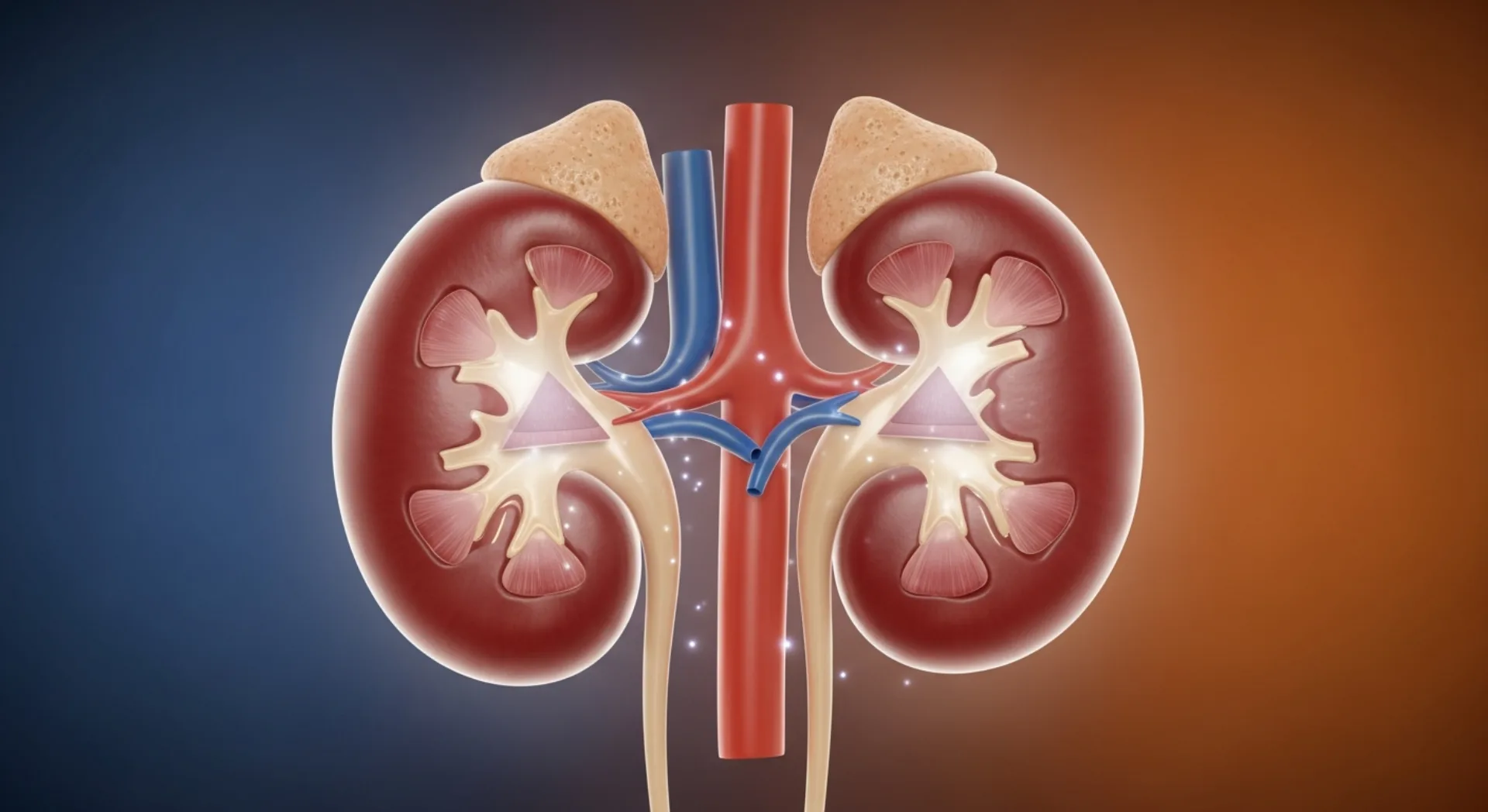
The kidneys are remarkable organs, each containing approximately one million microscopic filtering units called nephrons. These nephrons are responsible for filtering approximately 180 liters of blood daily, removing waste products, excess fluids, and toxins while retaining essential proteins and blood cells. When chronic kidney disease develops, these nephrons become progressively damaged and scarred, losing their filtering capacity and leading to a dangerous buildup of waste in the body.
Traditional treatments for CKD focus primarily on managing symptoms and slowing progression through medications such as ACE inhibitors, ARBs, and diuretics. While these treatments are valuable, they do not address the fundamental issue of nephron loss and tissue damage. Dialysis, though life-saving for end-stage patients, is an artificial replacement for kidney function that places significant burdens on patients' daily lives and comes with its own set of complications.
Mesenchymal regenerative medicine approach represents a paradigm shift in kidney disease treatment. Rather than simply managing symptoms, MSC therapy aims to regenerate damaged renal tissue and restore natural kidney function. Research published in leading nephrology journals has demonstrated that MSCs can home to injured kidney tissue, where they exert their therapeutic effects through both direct cell-to-cell interactions and the secretion of beneficial paracrine factors.
Clinical studies have shown that MSC therapy can lead to measurable improvements in glomerular filtration rate (GFR), reductions in serum creatinine and blood urea nitrogen (BUN) levels, decreased proteinuria, and improvements in kidney ultrasound findings. These objective improvements often correlate with subjective improvements in energy levels, reduction in edema, and enhanced overall quality of life for patients with CKD.
The connection between kidney disease and other conditions such as diabetes and hypertension makes regenerative medicine approach particularly relevant. Diabetic nephropathy, the leading cause of CKD worldwide, involves complex pathological processes including glomerular hyperfiltration, mesangial expansion, and tubulointerstitial fibrosis. MSCs address multiple aspects of this pathology simultaneously, making them a potentially more comprehensive treatment approach than conventional single-target therapies.
Key Clinical Markers We Monitor
Patient Eligibility
Ideal candidates for kidney regenerative medicine approach include patients with CKD stages 1-4, those with declining GFR who wish to explore regenerative options, patients with diabetic nephropathy, and individuals seeking to delay or avoid dialysis. A comprehensive evaluation including blood work, urinalysis, and imaging studies is required to determine eligibility and create a personalized care plan.
Frequently Asked Questions
Watch Our Patient Stories & Expert Insights
See real results and hear from our medical team about stem cell therapy treatments, procedures, and patient outcomes.
All Regenerative Medicine Applications
Explore our comprehensive range of regenerative medicine applications for various conditions. Click any option to learn more.
Related Treatments
Cardiovascular Disease
Learn about candidacy, delivery, evidence, and follow-up for Cardiovascular Disease.
Learn MoreAngina
Learn about candidacy, delivery, evidence, and follow-up for Angina.
Learn MoreIschemic Cardiomyopathy
Learn about candidacy, delivery, evidence, and follow-up for Ischemic Cardiomyopathy.
Learn MoreRelated Articles
Explore our in-depth research articles and guides on related treatments and therapies.
Regenerative Medicine for Liver Disease: Support & Progress
How mesenchymal stem cell approaches may support liver health in cases of cirrhosis, fatty liver, and fibrosis, promoting tissue support and hepatic function.
Read ArticleManaging Diabetes with Regenerative Medicine
Explore the role of regenerative medicine in diabetes management, including potential benefits for insulin production and blood sugar regulation through cellular regeneration.
Read ArticleUnderstanding Regenerative Medicine: A Complete Guide
A comprehensive overview of stem cell therapy, including types of stem cells, care processes, safety considerations, and what patients can expect during their wellness journey.
Read ArticleHow Much Does This Cost Worldwide?
Compare this regenerative medicine costs at StemCell Longevita versus clinics in other countries.
| Country | Typical Cost |
|---|---|
| United States | $15,000 – $30,000 |
| United Kingdom | £12,000 – £25,000 |
| Germany | €15,000 – €30,000 |
| South Korea | $12,000 – $25,000 |
| StemCell Longevita (Turkey) | From £7,600 |
Prices based on market research of comparable stem cell clinics offering umbilical cord-derived MSC treatments (2025-2026). Actual prices vary by clinic, cell count, and condition.
Begin Your Journey Toward Kidney Health Restoration
Discover how regenerative medicine approach for kidney disease can offer you or your loved ones renewed hope. Each patient's journey is unique, and the path to renal regeneration is tailored to individual needs. Our specialists are ready to evaluate your condition and discuss whether regenerative medicine approach may be right for you.
Related clinical questions
Where this page sits in the wider picture.