Degenerative Disc Disease Treatment with Stem Cells
- Written by
- StemCell Longevita Editorial Team
- Medically reviewed by
- Prof. Dr. Erdal Karaöz TeamProfessor of Histology and Embryology · Medical Director, Center for Regenerative Medicine
- Last reviewed
- Next scheduled review
How we evaluate evidence · Conflict-of-interest disclosure · Editorial standards
Advanced mesenchymal regenerative medicine approach to regenerate spinal disc tissue, relieve chronic back pain, and restore mobility — without surgery.
Evidence at a glance — Degenerative disc disease
A plain summary of what the published research does and does not show for this condition. It is written to the same standard whether the evidence is strong or weak.
- Human studies available?
- Yes — early-stage only
- Randomised trials?
- A small number of randomised and sham-controlled trials with mixed results
- Main outcomes studied
- Back pain (VAS)
- Disability (ODI)
- Disc hydration on MRI
- Long-term evidence
- Very limited
- Regulatory approval for this indication
- United States (FDA): No FDA-approved mesenchymal stem cell product for this indication. The FDA has issued consumer warnings about unapproved stem cell products.
- European Union (EMA): No EMA-authorised mesenchymal stem cell medicine for this indication.
- United Kingdom (MHRA): No MHRA-authorised mesenchymal stem cell medicine for this indication.
- Türkiye (Ministry of Health): In Türkiye, cell therapies are delivered only inside Ministry of Health–licensed centres under the regenerative medicine / advanced therapy regulations, as clinical research or individual (exceptional) use — not as an approved routine treatment for this indication.
- Role at our centre
- Research context — considered only where standard care is exhausted or unsuitable, and never as a replacement for it
What kind of evidence exists
- Mechanism (laboratory): Documented
- Animal / preclinical: Documented
- Early human (phase 1/2, uncontrolled): Documented
- Controlled human (randomised or sham-controlled): Documented
- Regulatory approval: Not established
Sources
- Systematic reviews and meta-analyses — Degenerative disc disease — PubMed
- Randomised controlled trials — Degenerative disc disease — PubMed
- Registered MSC trials — Degenerative disc disease — ClinicalTrials.gov
- FDA — Consumer alert on regenerative medicine therapies — U.S. Food and Drug Administration, 2024
- Advanced therapy medicinal products: overview — European Medicines Agency, 2025
- ISSCR Guidelines for Stem Cell Research and Clinical Translation — International Society for Stem Cell Research, 2021
- ISSCR Patient Handbook on Stem Cell Therapies — International Society for Stem Cell Research, 2020
Source links open filtered searches of PubMed and ClinicalTrials.gov plus regulator and professional-society pages, so you can read the current evidence yourself rather than a selected extract.
This summary is general information about the evidence base, not medical advice and not a promise of benefit. Whether any treatment is appropriate for you can only be decided after a medical review of your records.
What Is Degenerative Disc Disease?
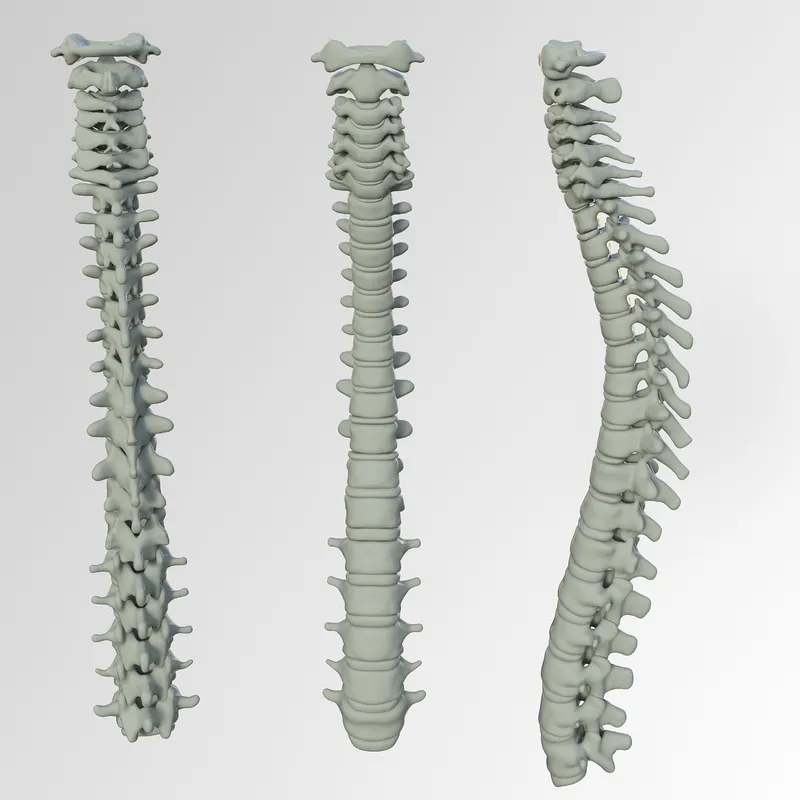
Degenerative disc disease (DDD) is a condition in which the intervertebral discs — the cushions between the vertebrae of the spine — lose hydration, elasticity, and height over time. This progressive deterioration leads to chronic back or neck pain, reduced flexibility, and in severe cases, nerve compression causing radiating pain, numbness, or weakness in the extremities.
Traditional treatments such as physical therapy, pain medications, and steroid injections may provide temporary relief but do not address the underlying disc degeneration. Spinal fusion surgery, while effective in some cases, permanently limits spinal mobility and carries significant surgical risks.
Regenerative medicine approach offers a regenerative approach by using mesenchymal stem cells (MSCs) to promote the repair of damaged disc tissue, reduce inflammation, and potentially restore disc hydration and height — providing lasting relief without the need for invasive surgery.
Expert Spinal Care
Specialized regenerative spine program
Our spinal regeneration program combines advanced MSC therapy with comprehensive imaging and assessment to develop personalized treatment protocols for each patient's specific disc pathology.
Under the guidance of experienced specialists, patients receive targeted stem cell injections using image-guided techniques to ensure precise delivery to the affected disc levels.
Benefits of Regenerative Approach for Disc Disease
Mesenchymal stem cells offer a biological approach to disc regeneration, targeting the root cause of degeneration rather than merely managing symptoms.
Disc Tissue Regeneration
MSCs stimulate production of proteoglycans and collagen, restoring disc hydration, cushioning, and structural integrity.
Anti-Inflammatory Action
Stem cells reduce chronic inflammation within and around the disc, alleviating pain and slowing further degeneration.
Improved Mobility
By restoring disc height and function, patients experience improved spinal flexibility and range of motion.
Non-Surgical Alternative
A minimally invasive procedure that avoids the risks, recovery time, and mobility limitations of spinal fusion surgery.
How Stem Cells Work for Degenerative Disc Disease
Mesenchymal regenerative medicine approach for degenerative disc disease targets the progressive breakdown of intervertebral discs that causes chronic back pain and reduced mobility. Clinical studies suggest MSCs can restore disc hydration, repair the annulus fibrosus, and regenerate nucleus pulposus tissue.
MSCs injected into degenerating discs can differentiate into nucleus pulposus-like cells, producing essential extracellular matrix components including aggrecan and type II collagen. This cellular replenishment helps restore the disc's ability to absorb mechanical loads and maintain spinal flexibility.
Stem cells secrete growth factors such as TGF-beta and BMP-7 that stimulate resident disc cells to increase proteoglycan synthesis. Clinical studies suggest this enhanced production improves disc hydration and restores the viscoelastic properties critical for shock absorption.
MSC therapy addresses annulus fibrosus damage by promoting the synthesis of organized collagen fibers that strengthen the disc's outer wall. This repair process helps prevent further disc herniation and reduces the risk of nerve root compression.
Research indicates that MSCs counteract the catabolic environment within degenerating discs by inhibiting inflammatory mediators like TNF-alpha and IL-1beta. This anti-inflammatory action slows disc degeneration and creates conditions favorable for tissue regeneration.
Who Is a Good Candidate?
Eligibility for regenerative medicine approach in degenerative disc disease is determined through comprehensive spinal imaging, pain assessment, and evaluation of previous responses. Our team identifies patients most likely to benefit from regenerative intervention.
Ideal Candidates
- Patients with MRI-confirmed degenerative disc disease at one or more spinal levels
- Individuals with chronic discogenic back pain lasting more than three months despite conservative care
- Patients with early to moderate disc degeneration who still have some remaining disc height
- Those who have not responded adequately to physical therapy, medications, or epidural injections
- Individuals seeking to avoid or postpone spinal fusion surgery
May Not Be Suitable
- Patients with severely collapsed discs with less than 50% of normal disc height remaining
- Individuals with large disc herniations causing significant neurological compression
- Patients with spinal instability requiring surgical stabilization
- Those with active spinal infections or malignancies at the approach level
What Results Can You Expect?
The healing process following regenerative medicine approach for degenerative disc disease is gradual, as disc tissue has inherently slow regenerative capacity. Results depend on the degree of disc degeneration, number of levels treated, and individual biological response.
Initial Recovery
Mild soreness at the injection site is expected. Patients should avoid heavy lifting and high-impact activities. Some temporary increase in back discomfort may occur as the healing process initiates.
Early Improvements
Gradual reduction in discogenic pain as anti-inflammatory effects develop within the disc environment. Many patients begin to experience improved comfort during prolonged sitting and standing.
Progressive Results
Continued pain reduction and functional improvement as disc tissue regeneration progresses. Patients often report better spinal flexibility and increased tolerance for physical activities.
Optimal Results
Peak therapeutic benefits are typically reached. Significant improvement in back pain, mobility, and quality of life. Follow-up MRI may show early signs of disc rehydration.
Long-Term Benefits
Sustained pain relief and functional gains with ongoing disc remodeling. Some patients demonstrate improved disc hydration on follow-up imaging. Maintenance treatments may be recommended for continued support.
Individual results vary. These timelines are based on clinical observations and are not guaranteed outcomes. Your specialist will provide personalized expectations during your consultation.
Your Disc Regeneration Journey
Our structured treatment protocol ensures each patient receives personalized care from initial assessment through follow-up monitoring.
Step 1: Medical Evaluation
Comprehensive review of your MRI scans, medical history, and symptoms to determine the extent of disc degeneration and create a tailored care plan.
Step 2: Consultation & Planning
Detailed discussion of your diagnosis, treatment options, expected outcomes, and answers to all your questions before proceeding.
Step 3: MSC Preparation
High-quality umbilical cord-derived mesenchymal stem cells are prepared in our accredited laboratory under strict quality controls.
Step 4: Image-Guided Injection
Stem cells are precisely delivered to the affected intervertebral discs using fluoroscopic or ultrasound guidance for maximum therapeutic effect.
Step 5: Recovery & Follow-Up
Post-treatment monitoring with scheduled follow-up assessments to track your disc regeneration progress and overall recovery.
What's Included in Your approach
- Comprehensive spinal MRI analysis
- Specialist consultation and diagnosis
- UC-MSC regenerative medicine approach sessions
- Image-guided intradiscal injection
- Post-treatment rehabilitation guidance
- Airport transfers and accommodation assistance
- 12-month follow-up program
What to Expect
Most patients notice initial improvements in pain levels within 4-8 weeks following treatment. Significant regenerative changes in disc hydration and height typically become apparent on MRI at 3-6 months. Full therapeutic benefits continue to develop over 6-12 months as the stem cells promote ongoing tissue repair.
Patient Experiences
Real outcomes from patients who chose regenerative medicine at StemCell Longevita Istanbul
"My orthopaedic surgeon in Munich said I'd need a new knee within a year. After regenerative medicine in Istanbul, that was two years ago and I still don't need it."
"I spent years managing pain instead of living. The treatment in Turkey gave me my active life back — something I didn't think was possible at my age."
Frequently Asked Questions
Watch Our Patient Stories & Expert Insights
See real results and hear from our medical team about stem cell therapy treatments, procedures, and patient outcomes.
All Regenerative Medicine Applications
Explore our comprehensive range of regenerative medicine applications for various conditions. Click any option to learn more.
Related Articles
Explore our in-depth research articles and guides on related treatments and therapies.
Spinal Cord Injury Rehabilitation with Stem Cells
Learn about advanced regenerative medicine applications that are supporting patients with spinal cord injuries in regaining sensation and mobility through physician-directed protocols.
Read ArticleUnderstanding Regenerative Medicine: A Complete Guide
A comprehensive overview of stem cell therapy, including types of stem cells, care processes, safety considerations, and what patients can expect during their wellness journey.
Read ArticleComplete Guide to Stem Cells and Their Types
Explore the different types of stem cells - adult, fetal, embryonic, and cord blood - their unique characteristics, therapeutic applications, and how they're advancing regenerative medicine.
Read ArticleHow Much Does This Cost Worldwide?
Compare this regenerative medicine costs at StemCell Longevita versus clinics in other countries.
| Country | Typical Cost |
|---|---|
| United States | $15,000 – $25,000 |
| United Kingdom | £12,000 – £20,000 |
| Germany | €15,000 – €25,000 |
| South Korea | $12,000 – $20,000 |
| StemCell Longevita (Turkey) | From £5,900 |
Prices based on market research of comparable stem cell clinics offering umbilical cord-derived MSC treatments (2025-2026). Actual prices vary by clinic, cell count, and condition.
Related clinical questions
Where this page sits in the wider picture.